Want to see a Leopard? Check These 3 Destinations Where You'll Actually See Them
Posted by Tuskari Team
Posted on 23rd February 2026
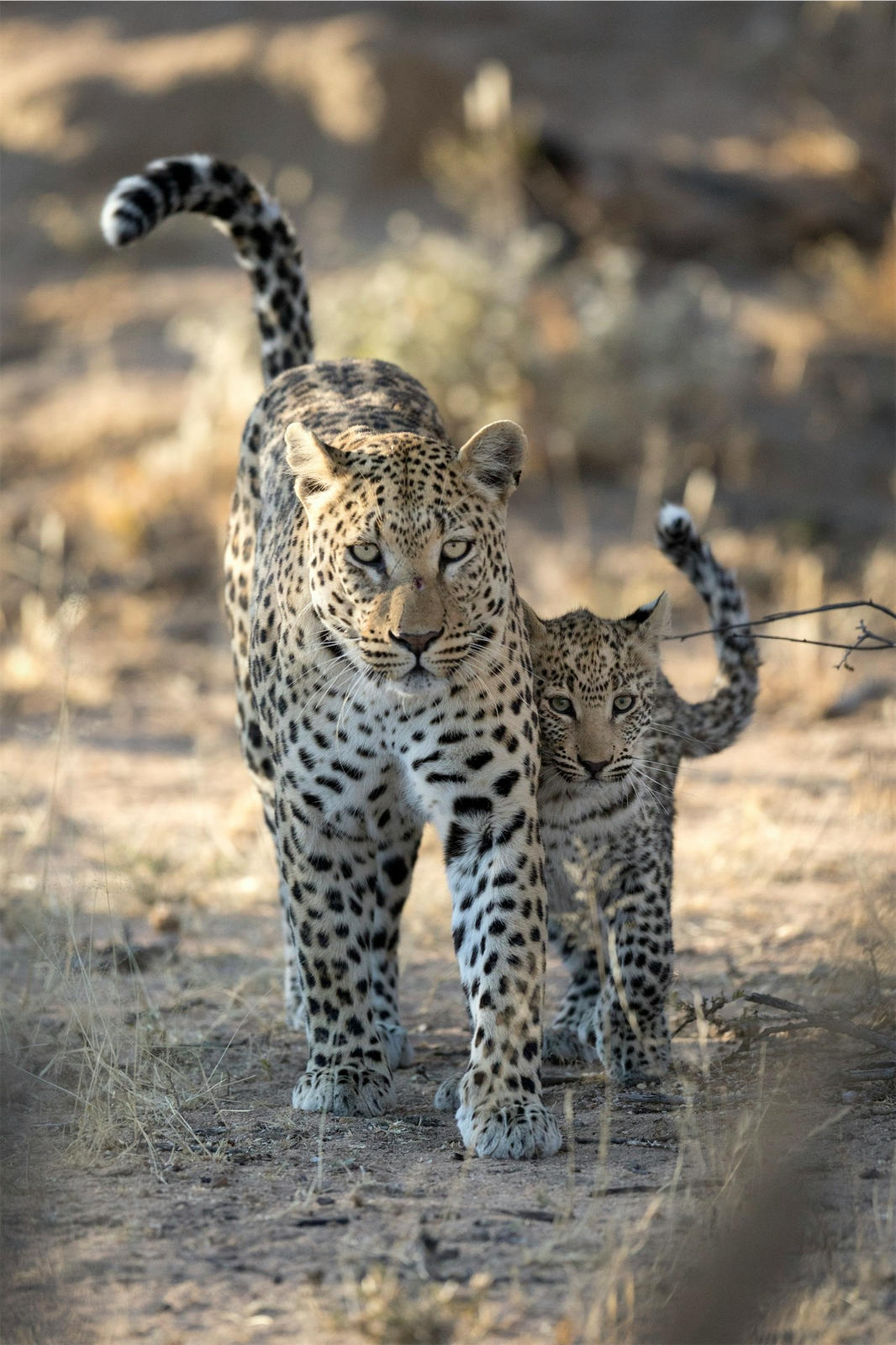
Every safari park in Africa mentions leopards. "Excellent leopard territory." "Frequent leopard sightings." "Leopards present in good numbers." The reality? In most parks, you might spend a week and never see one.
Leopards are solitary, secretive, and nocturnal. They're genuinely difficult to find even when populations are healthy. But three destinations break this pattern completely - places where leopard sightings shift from "if you're lucky" to "almost certainly."
If leopards matter to your safari, these are the only three places worth serious consideration.
Sabi Sands, South Africa - The Leopard Guarantee
Why Sabi Sands is different:
This isn't a good leopard area. It's THE leopard destination globally. Sabi Sands has the highest density of habituated leopards anywhere on Earth. You will see leopards here. Multiple times. At close range. For extended periods.
Decades of consistent, respectful vehicle exposure mean leopards barely acknowledge safari trucks. They hunt, rest, mate, and raise cubs while vehicles watch meters away. Guides know individual cats by name, understand their territories intimately, and track movements daily through radio networks.
What leopard viewing actually means here:
Not glimpses. You'll watch leopards stalk prey, drag kills into trees, groom cubs, patrol boundaries, and interact with other predators. Sightings of 30-60 minutes are normal, sometimes hours if a leopard settles near a vehicle. Photography opportunities are exceptional - guides position perfectly and leopards ignore cameras.
The famous Sabi Sands cats - like the Tamboti female or various Sparta pride interactions with leopards - become familiar over a 3-4 night stay. You're not just seeing leopards, you're following their stories.
The catch:
Expensive. Lodges start around $500 per person per night and climb past $2,000 for properties like Singita, Londolozi, or Lion Sands. A 4-night stay runs $2,000-8,000+ per person just for accommodation, plus park fees and flights.
But if leopards are your primary safari goal - especially for photography - nowhere else delivers this certainty and quality. You're paying for near-guaranteed, intimate, extended leopard encounters that simply don't exist elsewhere.
Practical details:
Part of the greater Kruger ecosystem. Fly into Johannesburg, then connect to Skukuza or drive 5-6 hours. Most lodges arrange transfers. Best months are May-October (dry season) when vegetation is sparse and sightings easiest, though leopards are present and visible year-round.
Lodges operate on twice-daily game drives (early morning and late afternoon/evening). Leopards appear on most drives. Night drives dramatically increase odds since leopards are primarily nocturnal hunters.
Who this is for:
Photographers prioritizing leopards above all else. First-time safari-goers who've dreamed of leopards specifically. Anyone willing to pay premium prices for premium certainty. Travelers who want one perfect safari rather than multiple budget trips.
[Browse South Africa safari options]
South Luangwa, Zambia - Night Drive Advantage
Why South Luangwa works:
South Luangwa has excellent leopard density - genuinely high populations comparable to Sabi Sands. But the game-changer is night drives. Unlike most East African parks where night drives are restricted or banned, South Luangwa pioneered them. Spotlights, darkness, and leopards' nocturnal hunting behavior combine for extraordinary sightings.
Leopards are crepuscular and nocturnal. They hunt primarily dawn, dusk, and through the night. Daytime leopards are usually resting. Night drives catch them active - stalking, hunting, feeding, moving through territories. The quality and frequency of leopard encounters jumps dramatically after dark.
What to expect:
Day drives produce regular leopard sightings, typically cats resting in trees or moving between shade. Decent, but not exceptional. Night drives transform everything. Spotlights pick up eyeshine. Leopards walk roads, stalk prey in the open, hunt near vehicles. Guides track fresh kills and position for feeding behavior.
The Luangwa River concentrates wildlife during dry season (June-October), and leopards follow. Camps along the river - like Mchenja, Tena Tena, or Chinzombo - deliver consistent leopard activity. You'll likely see leopards multiple times during a 4-5 night stay, often spectacularly on night drives.
Habituation and guide quality:
South Luangwa's leopards are well-habituated after 60+ years of safari operations and walking safaris. They tolerate vehicles at close range. Guides here are exceptional - many have decades of experience and know individual leopards, their territories, and behavior patterns intimately.
The cost reality:
More affordable than Sabi Sands but not cheap. Quality bushcamps run $400-800 per person per night all-inclusive (meals, drinks, activities). A 4-night stay typically costs $1,600-3,200 per person plus flights. Mid-range by African safari standards, excellent value for leopard quality.
Practical details:
Fly into Lusaka (Zambia's capital), then connect to Mfuwe (1 hour). Camps arrange transfers from the airstrip - typically 20 minutes to 2 hours depending on location. Dry season (June-October) is peak for leopards and general game viewing. Green season (November-April) sees most camps close, though a few stay open with excellent birding and landscapes.
South Luangwa also pioneered walking safaris. While walks focus more on ecology and smaller details than big game, the area's leopard density means encounters on foot occasionally happen - genuinely thrilling in a completely different way than vehicle sightings.
Who this is for:
Serious safari-goers wanting excellent leopards without Sabi Sands pricing. Photographers interested in nocturnal behavior and hunting sequences. Travelers combining leopards with walking safaris and authentic bushcamp experiences. Anyone visiting Zambia or combining with Victoria Falls or Lower Zambezi.
Masai Mara Conservancies, Kenya - The Migration Bonus
Why Mara conservancies work:
The greater Masai Mara ecosystem supports strong leopard populations. The main reserve has leopards, but conservancies - private landholdings bordering the reserve with exclusive access and strict vehicle limits - deliver genuinely excellent sightings.
Conservancies like Olare Motorogi, Mara Naboisho, and Mara North offer off-road driving to follow leopards, night drives with spotlights, and far fewer vehicles competing for sightings. The relatively open savanna (compared to dense bush elsewhere) improves visibility. Leopards here are habituated to vehicles and tolerant of close approaches.
What to expect:
Very good chance of seeing leopards during a 4-5 day Mara stay, often multiple times. Sightings typically last 15-30 minutes - shorter than Sabi Sands but still quality encounters. Tree-lounging leopards are common. Cubs appear regularly during denning periods.
The Mara's advantage beyond leopards is everything else. Exceptional lion prides, cheetahs on termite mounds, the wildebeest migration July-October, elephant herds, and general plains game abundance. You're getting top-tier leopards plus the full East African safari experience.
Main reserve vs conservancies:
The main Masai Mara Reserve has leopards but faces vehicle congestion and road-only restrictions. Conservancies solve both problems - exclusive traversing areas with 2-4 vehicles maximum per sighting, off-road tracking, and night drives. For leopards specifically, conservancies are essential. Main reserve leopard sightings happen but feel rushed and crowded.
The cost reality:
Conservancy lodges run $500-1,200 per person per night all-inclusive. A 4-night stay costs $2,000-4,800 per person plus Nairobi flights. High-end pricing, though less than Sabi Sands' top properties. Main reserve budget camps exist but won't deliver quality leopard experiences.
Practical details:
Fly into Nairobi, then light aircraft to Mara airstrips (45 minutes). Multiple daily flights make logistics simple. Best leopard months are dry season (July-October) coinciding with migration, though leopards are resident year-round. November-June offers excellent sightings with fewer tourists and lower prices.
Conservancies allow night drives - crucial for leopard odds since cats are primarily nocturnal. Guides actively track leopards via radio networks when sightings occur. Off-road driving means following leopards through bush rather than hoping they cross roads.
Who this is for:
First-time safari-goers wanting leopards plus classic East African migration and plains game. Photographers balancing leopards with diverse subjects. Travelers visiting Kenya anyway who want to maximize leopard odds. Anyone combining with Tanzania's Serengeti (they're adjacent ecosystems).
[Browse Kenya safari options]
Leopard Sightings In Other Destinations
These three destinations are exceptional for leopards, but other parks also offer quality sightings with the right approach:
Serengeti (Tanzania): Good leopard populations, especially Seronera Valley with its kopjes and riverine woodland. Staying in central Serengeti increases your chances significantly. Many visitors see leopards during 3-4 night stays, often resting in trees or on rock outcrops. Not as reliable as the top three, but far from rare.
Kruger National Park: Strong leopard populations throughout. Self-drivers need patience and luck, but guided vehicles with tracker networks have good success rates. The park's size means leopards are present - finding them depends on time spent and guide expertise.
Okavango Delta (specific concessions): Some private concessions like Kwando, Vumbura, and Duba have excellent leopard populations and habituated cats. Research specific areas - the Delta is vast and leopard density varies. Quality concessions deliver good sightings.
Hwange, Etosha: Leopards present with regular sightings possible, especially around prime waterholes and in specific sectors. Not the primary draw of these parks, but encounters happen more often than many expect.
Tarangire, Amboseli, Queen Elizabeth: Lower leopard densities or challenging habitat make sightings less frequent. These parks excel at other wildlife - elephants, tree-climbing lions, diverse ecosystems. Leopards are genuine bonuses rather than expectations.
The three destinations highlighted above simply shift the odds substantially in your favor through exceptional density, habituation, and viewing conditions. Other parks absolutely have leopards and deliver sightings - just with more variability and less consistency.
Which One Should You Choose?
Choose Sabi Sands if: Leopards are your absolute priority. You want near-certainty and extended, intimate sightings. Budget allows $2,000-8,000+ per person for 3-4 nights. Photography is important. You're willing to pay premium prices for premium leopard access.
Choose South Luangwa if: You want excellent leopards at better value than Sabi Sands. Night drives and nocturnal leopard behavior excite you. You're interested in walking safaris alongside vehicle drives. You're visiting Zambia or combining with Victoria Falls/Lower Zambezi. You appreciate authentic bushcamp experiences.
Choose Mara conservancies if: You want very good leopard odds plus everything else - migration, lions, cheetahs, classic East African plains. You're doing Kenya safari anyway and want to maximize leopard chances. You value diversity over leopard-focused intensity. First safari and want comprehensive wildlife beyond just leopards.
Can You Combine Them?
Yes, and many serious leopard enthusiasts eventually visit all three. But for most people, choose one based on budget and what else you want from your safari.
Combining Sabi Sands with Mara makes sense if you have 10-12 days and want South Africa plus Kenya experiences. Flying Johannesburg to Nairobi is straightforward.
Combining South Luangwa with Mara works geographically but requires routing through Nairobi. More complex logistics.
For first-timers: pick one destination and go deep rather than rushing multiple countries. You'll have better leopard experiences spending 4-5 nights in one place than 2 nights each in two destinations.
The Bottom Line On Leopard Safaris
If leopards genuinely matter to your safari - not just a hopeful bonus but an actual priority - you have three real choices: Sabi Sands for certainty and intimacy, South Luangwa for night drive advantage and value, or Mara conservancies for leopards plus comprehensive East African wildlife.
Everywhere else, leopard sightings are luck-dependent regardless of what marketing materials claim. You might see them. You might spend a week and see nothing but tracks.
The good news? All three destinations deliver far more than just leopards. Sabi Sands has exceptional general game. South Luangwa offers walking safaris and authentic wilderness. Mara conservancies provide migration spectacle and diverse plains game.
You're not gambling on leopards alone. You're choosing destinations that happen to excel at leopards while delivering world-class safari experiences overall. That's the smart approach - prioritize locations where leopards are genuinely likely, but appreciate everything else these incredible places offer.
[Compare leopard safari destinations]
Category Search

Featured Blogs
Want to see a Leopard? Check These 3 Destinations Where You'll Actually See Them
Posted by Tuskari Team
Posted on 23rd February 2026
First Safari: Kenya vs Tanzania vs Uganda - Which Should You Choose?
Posted by Tuskari Team
Posted on 23rd February 2026
Combining Gorilla Trekking And Traditional Safari: Uganda Routes That Work
Posted by Tuskari Team
Posted on 22nd February 2026
South Africa's Private Reserves: Sabi Sands vs Timbavati vs Klaserie
Posted by Tuskari Team
Posted on 22nd February 2026