First Safari: Kenya vs Tanzania vs Uganda - Which Should You Choose?
Posted by Tuskari Team
Posted on 23rd February 2026
Most first-time safari-goers face the same question: Kenya, Tanzania, or Uganda? All three deliver incredible wildlife. All three have world-class parks. But they're genuinely different experiences with different strengths, logistics, and costs.
Choosing the right entry point for your first African safari matters. Get it right and you'll have an incredible introduction to Africa's wildlife. Get it wrong and you might spend half your trip dealing with logistics frustration or missing what you actually wanted to see.
Here's the honest comparison to help you decide.
Kenya: Easiest Entry Point
Why Kenya works for first-timers:
Kenya makes safari simple. The infrastructure is excellent, logistics are straightforward, and you can see incredible wildlife without complicated planning. Fly into Nairobi, take a short flight or drive to the Masai Mara, and you're on safari. Everything just works.
The Masai Mara is Kenya's flagship - exceptional wildlife density, the great migration passes through July-October, and conservancies offer exclusive experiences rivaling anywhere in Africa. Beyond the Mara, Amboseli delivers elephants with Kilimanjaro views, Samburu offers unique northern species, and Laikipia conservancies provide genuine wilderness immersion.
Logistics advantages:
- Easy visa process (e-visa online, straightforward)
- Nairobi is a major international hub with good connections
- Short internal flights (Nairobi to Mara is 45 minutes)
- Wide range of accommodation from budget to ultra-luxury
- English widely spoken
- Tourism infrastructure is mature and reliable
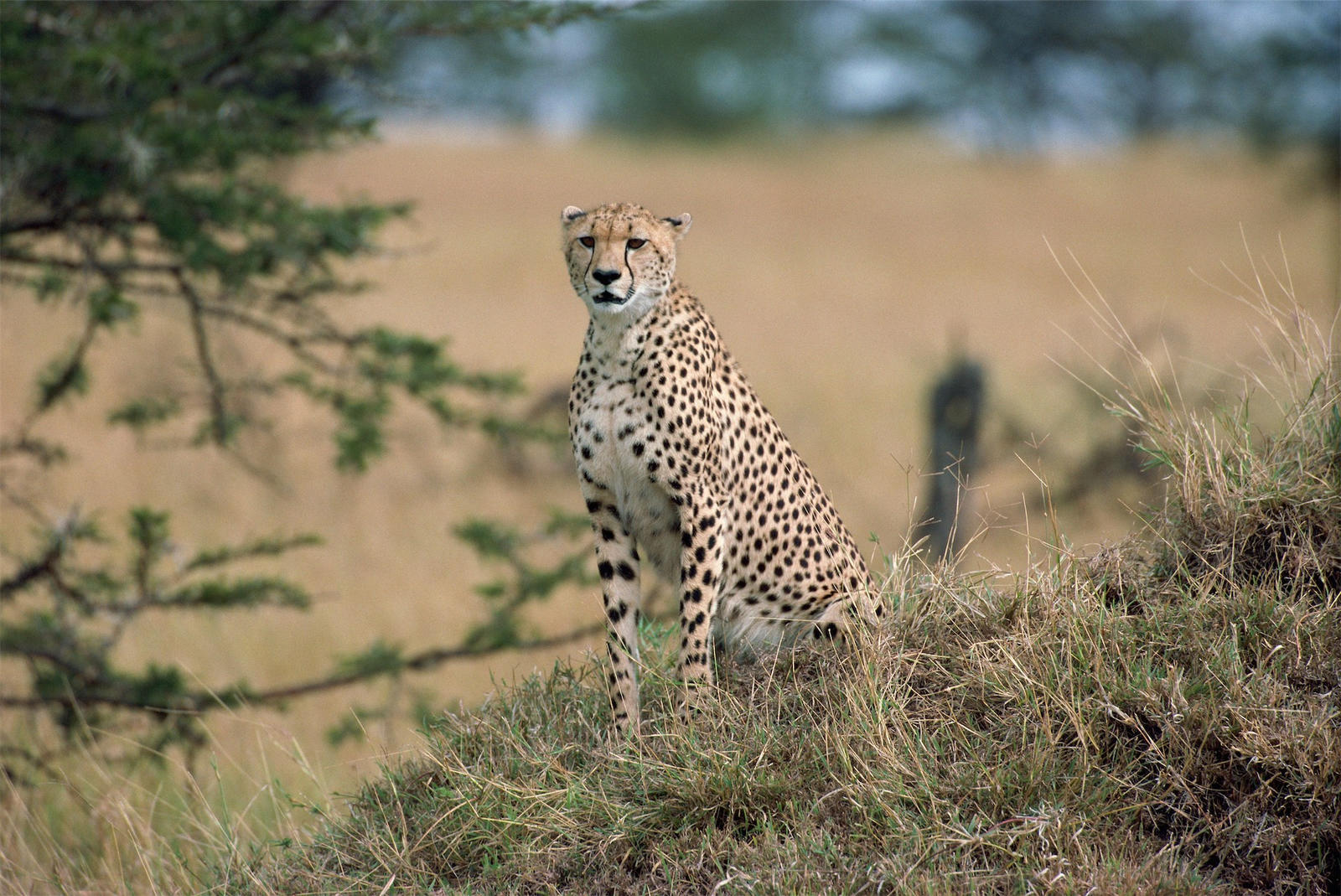
Wildlife highlights: Big Five present (though rhinos are rare outside specific conservancies). Excellent predator viewing - lions, leopards, cheetahs all common in the Mara. The great migration river crossings July-October are genuinely spectacular. Year-round wildlife remains strong even outside migration months.
Cost reality: Kenya's pricing varies significantly by season and location. The Masai Mara has among the highest park fees in East Africa - $100 per person per day (January-June 2026) jumping to $200 per person per day from July onwards. Conservancy fees add another layer. Budget camping safaris run $1,500-3,000 for a week once Mara fees are factored in. Mid-range lodge safaris $4,000-6,000. Luxury conservancy experiences $8,000-15,000+.
Other Kenyan parks like Amboseli and Samburu have lower fees, making them more affordable alternatives. The Mara's high fees reflect its popularity and wildlife density, especially during migration months when the $200 daily fee applies.
Best for: First-timers wanting straightforward logistics, families, anyone nervous about African travel complexity, travelers with limited time (you can do an excellent 5-7 day Kenya safari), people prioritizing big cats and migration.
Potential downsides: The Mara can get crowded during peak migration season (August-October). Popular areas feel more touristy than Tanzania or Uganda. If you want true wilderness remoteness, Kenya's main circuits might feel too developed.
Tanzania: The Wilderness Experience
Why Tanzania appeals to first-timers:
Tanzania offers Africa's most iconic safari landscapes - the endless Serengeti plains, the Ngorongoro Crater, and the vast wilderness of the southern circuit. This is the Africa of documentaries and classic safari literature. The scale is extraordinary, the wildlife populations immense, and the sense of wilderness genuine.
The Serengeti alone is 14,750 square kilometers - nearly ten times the size of the Masai Mara. During calving season (January-March), the southern Serengeti hosts over a million wildebeest giving birth. Predator action is phenomenal. Ngorongoro Crater is a natural wonder - a collapsed volcano creating a wildlife arena unlike anywhere else.
Logistics considerations: Tanzania is slightly more complex than Kenya. You'll likely fly into Kilimanjaro or Dar es Salaam, then take internal flights or long drives between parks. The northern circuit (Serengeti, Ngorongoro, Tarangire) is well-established, but distances are significant. Safari camps are often remote - you're genuinely in the wilderness.
Visa process is straightforward (e-visa available). English is widely spoken in tourist areas. Infrastructure is good but not quite as polished as Kenya's.
Wildlife highlights: The great migration calving season (January-March) in southern Serengeti is extraordinary - hundreds of thousands of wildebeest calves born within weeks, predators everywhere. The Serengeti's year-round wildlife is exceptional regardless of migration timing. Ngorongoro Crater has the highest density of predators in Africa. Tarangire offers massive elephant herds.
Cost reality: Tanzania is generally more expensive than Kenya. Park fees are cheaper though - $70-80 per person per day in Serengeti and Ngorongoro. A week-long northern circuit safari typically runs $2,500-7,000 for mid-range, $8,000-15,000+ for luxury. Budget camping exists but is less common than Kenya.
Best for: First-timers wanting classic safari landscapes and wilderness immersion, photographers, anyone fascinated by the migration (visit January-March for calving or June-July for western corridor), travelers willing to invest more for extraordinary experiences.
Potential downsides: More expensive than Kenya or Uganda. Longer distances between parks mean more transit time. The scale can feel overwhelming - the Serengeti is massive and you need time to appreciate it properly. Not ideal for very short trips (5 days feels rushed).
Uganda: The Primate Safari
Why Uganda is different:
Uganda isn't primarily a traditional Big Five destination - it's the gorilla and chimpanzee capital of Africa. This is where you go for mountain gorilla trekking in Bwindi Impenetrable Forest, chimp tracking in Kibale, and primate experiences you can't get anywhere else. Traditional safari exists (Queen Elizabeth and Murchison Falls offer elephants, lions, hippos, buffalo), but Uganda's real draw is primate encounters.
Gorilla trekking is genuinely life-changing. Spending an hour with a habituated gorilla family in the forest is unlike any other wildlife experience - intimate, emotional, and rare. Uganda's permits are $700 (vs Rwanda's $1,500), making it the more affordable gorilla option.
Logistics considerations: Uganda requires more planning than Kenya or Tanzania. You'll fly into Entebbe, then either take long drives to Bwindi and other parks or arrange internal flights. Roads are rough. Distances are significant. But the effort is worth it for gorillas.
Visa is straightforward (available on arrival or online). English is the official language. Tourism infrastructure is good in main areas but less developed than Kenya.
Wildlife highlights: Mountain gorillas (Bwindi and Mgahinga). Chimpanzees (Kibale has the best tracking in East Africa, 90%+ success rate). Tree-climbing lions in Queen Elizabeth's Ishasha sector. Murchison Falls is dramatic. Shoebill storks in wetlands. Uganda offers wildlife diversity beyond the typical safari experience.
Cost reality: Gorilla permits dominate budgets - $800 per person per trek. A 10-day Uganda safari combining gorillas, chimps, and Queen Elizabeth typically runs $4,000-7,000 total including permits. This is competitive with Tanzania for similar trip length. Accommodation ranges from budget to luxury.
Best for: First-timers specifically wanting gorillas, primate enthusiasts, photographers interested in forest wildlife, travelers wanting something different from traditional savanna safari, anyone combining primates with some classic game viewing.
Potential downsides: Not a Big Five destination (no rhinos in the main national parks). Traditional game viewing doesn't match Serengeti or Mara intensity. Long, rough drives. Gorilla trekking requires moderate fitness - treks can be 1-6 hours through steep, muddy forest. If you want classic plains game safari, Uganda isn't the best first choice.
How To Actually Decide
Choose Kenya if:
- You want straightforward logistics and easy first safari
- You're nervous about African travel complexity
- You have limited time (5-7 days works well)
- Big cats and migration are priorities
- You want infrastructure reliability
- Budget is flexible (Kenya works at multiple price points)
Choose Tanzania if:
- You want iconic landscapes and wilderness scale
- Migration calving season appeals (January-March)
- You're willing to invest more for extraordinary experiences
- You have 10+ days to properly experience the parks
- Classic safari imagery (endless plains, Ngorongoro Crater) excites you
- Crowds bother you less than in Kenya's peak areas
Choose Uganda if:
- Gorillas are the primary goal
- You want primate experiences alongside some traditional safari
- You prefer forest and wetland diversity over pure savanna
- You're comfortable with rough drives and adventure logistics
- You want something different from typical first safari
- Budget allows for gorilla permits ($700) but you want better value than Rwanda
Can You Combine Countries?
Yes, but it adds complexity and cost. Common combinations:
Kenya + Tanzania: Makes sense if you have 12-14 days. Fly Nairobi to Arusha, do northern Tanzania circuit, then Masai Mara. Requires crossing borders (relatively easy) and coordinating logistics. Works well but adds expense.
Uganda + Kenya or Tanzania: Works if gorillas plus traditional safari is the goal. Fly Entebbe to Nairobi or Arusha after Uganda portion. Requires 14+ days to do properly. Two separate safaris essentially.
For first-timers: Generally better to go deep in one country rather than rushing multiple countries. You'll have better experiences and lower stress.
The Honest Bottom Line
There's no wrong choice. All three countries deliver incredible first safari experiences.
Kenya is the easiest entry point - great wildlife, simple logistics, works for short or long trips. If you want your first safari to just work without complexity, choose Kenya.
Tanzania offers the most iconic safari landscapes - the Serengeti and Ngorongoro are legendary for good reason. If classic African wilderness is what you're imagining, Tanzania delivers. Just budget accordingly and allow enough time.
Uganda is the primate specialist - gorillas are genuinely extraordinary and worth the trip alone. If primates fascinate you or you want something beyond typical safari, Uganda is your answer.
Most people eventually visit all three. For your first safari, choose based on what excites you most - big cats and migration (Kenya or Tanzania), wilderness scale and classic landscapes (Tanzania), or gorillas and primates (Uganda). You can't go wrong with any of them.
Category Search

Featured Blogs
Want to see a Leopard? Check These 3 Destinations Where You'll Actually See Them
Posted by Tuskari Team
Posted on 23rd February 2026
First Safari: Kenya vs Tanzania vs Uganda - Which Should You Choose?
Posted by Tuskari Team
Posted on 23rd February 2026
Combining Gorilla Trekking And Traditional Safari: Uganda Routes That Work
Posted by Tuskari Team
Posted on 22nd February 2026
South Africa's Private Reserves: Sabi Sands vs Timbavati vs Klaserie
Posted by Tuskari Team
Posted on 22nd February 2026