Where It Started
Tuskari began with a conversation that wouldn't leave our founder alone.
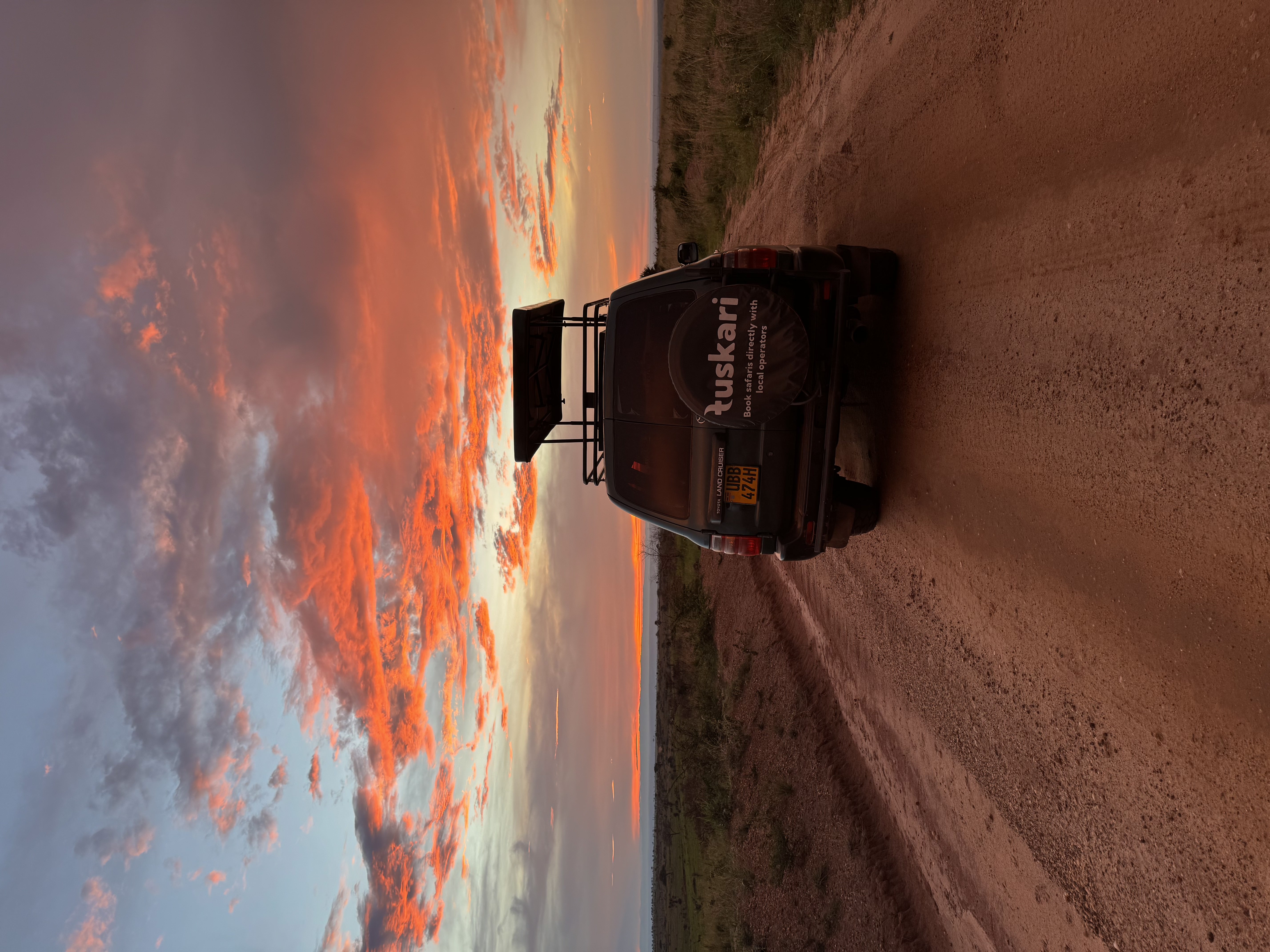
He was sitting outside a tented camp in Uganda, sharing a soft drink with a safari guide who'd been working the Uganda safari scene for fifteen years. The kind of person who knows where the lions go during the rains, who can read elephant behaviour from half a kilometre away, who speaks three languages and has stories that could fill a book.
This guide was good at his job. Really good. But when they started talking about how safaris actually get booked, the numbers didn't make sense.
A traveller in London or New York books through a big tour company. That company takes 25 to 30 percent. Sometimes more. The safari operator in Tanzania gets what's left. The guide gets paid by the operator. And the money that should be staying in Africa, supporting the people who actually run these experiences, leaks out to offices in Europe and North America.
It wasn't a scandal. It was just how the industry worked. But it felt wrong.
So we built something different.
What Tuskari Actually Is
Tuskari is a direct booking platform for African safaris.
No middlemen taking a cut. No foreign agencies marking things up. Just travellers connecting with the operators who'll be taking them into the bush.
We're not a tour company. We don't run safaris. We don't own camps or lodges. What we do is simple: we built the infrastructure that lets you book directly with people who know what they're doing.
When you book through Tuskari, the operator keeps their price. They control their availability. They manage their own brand. We just make it easier for you to find them and easier for them to run their business online.
It's a marketplace, but it's designed with one clear priority: the people doing the actual work should be the ones benefiting most.
Why This Matters
The safari industry has a strange imbalance.
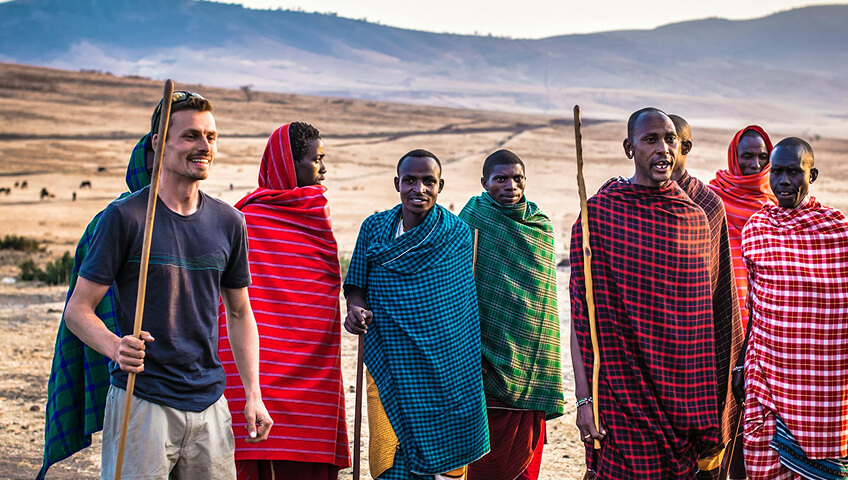
The guides, drivers, and operators who live across East and Southern Africa do the hardest and most important work. They maintain the vehicles, negotiate with local communities, train new guides, navigate park politics, and spend years learning the land.
But when a traveller books a $5,000 safari, those operators often see $3,500 or less. The rest goes to agencies who've often never set foot in that destination.
We think that's backwards.
Tuskari isn't about charity or "giving back." It's about fairer economics. When you book direct, more money stays with the people who earned it. That means better wages for guides, more investment in vehicles and equipment, and more resources to put back into conservation and local communities.
It's not complicated. It's just honest.
What We're Not Trying to Do
We're not here to disrupt travel or reinvent the wheel. We're not trying to make safaris cheaper by cutting corners or standardising everything into packages.
What we're trying to do is much simpler: connect travellers with operators in a way that respects both sides.
For travellers, that means clearer information, transparent pricing, and direct communication with the people who'll actually be guiding your safari.
For operators, it means control. They set their own prices. They decide how to run their safaris. They keep their margins. They don't have to compromise their standards or their brand to work with a foreign agency.
We're infrastructure, not an agency. And that distinction matters.
How It Actually Works
You browse safaris listed by operators across East and Southern Africa.
Some safaris can be booked instantly. Others require a conversation first, especially if they're custom or high-end experiences that need availability confirmed. Either way, you're talking directly with the operator.
When you book, the operator gets your information. You can message them with questions. They handle the logistics. There's no back and forth between three different companies trying to coordinate your trip.
If something needs to change or if you want to customise your itinerary, you work it out with the person who's actually running the safari. Not someone in a call centre reading from a script.
It's straightforward. That's the point.
What We Believe
A few things guide how we build Tuskari:
Operators should control their own businesses.
No one knows a safari better than the person running it. They should set their pricing, decide their availability, and communicate directly with travellers. We don't get in the way of that.
Transparency isn't optional.
Travellers deserve to know what they're paying for. Operators deserve to know what they're earning. Hidden fees, unclear pricing, and vague terms of service create distrust. We keep things simple and visible.
Local knowledge matters more than scale.
The best safaris aren't run by the biggest companies. They're run by people who've spent years learning the rhythms of a place. Small operators with deep expertise should have the same access to travellers as the big players.
Conservation and community aren't marketing.
Every safari exists because of the land and the people who protect it. When operators keep more of their revenue, they have more to invest in both. That's not a tagline. It's just how the economics work.
Where We're Going
We're still early. There's a lot to build.
Right now, Tuskari works with operators across East and Southern Africa. We're adding new destinations regularly and partnering with operators who share our approach and who are serious about running their businesses well.
Over time, we'll continue expanding across the continent. But we won't compromise on quality or transparency to grow faster. This isn't a race.
We're building something that lasts. Something that makes safari travel a bit more honest, a bit more fair, and a lot more human.
If that sounds right to you, we'd like to help you find your next safari.
Tuskari.
Direct bookings. Real operators. No middlemen.