bannerimg

South Luangwa National Park

The walking safari was born here. The leopards stay for a reason.

Why Visit South Luangwa?

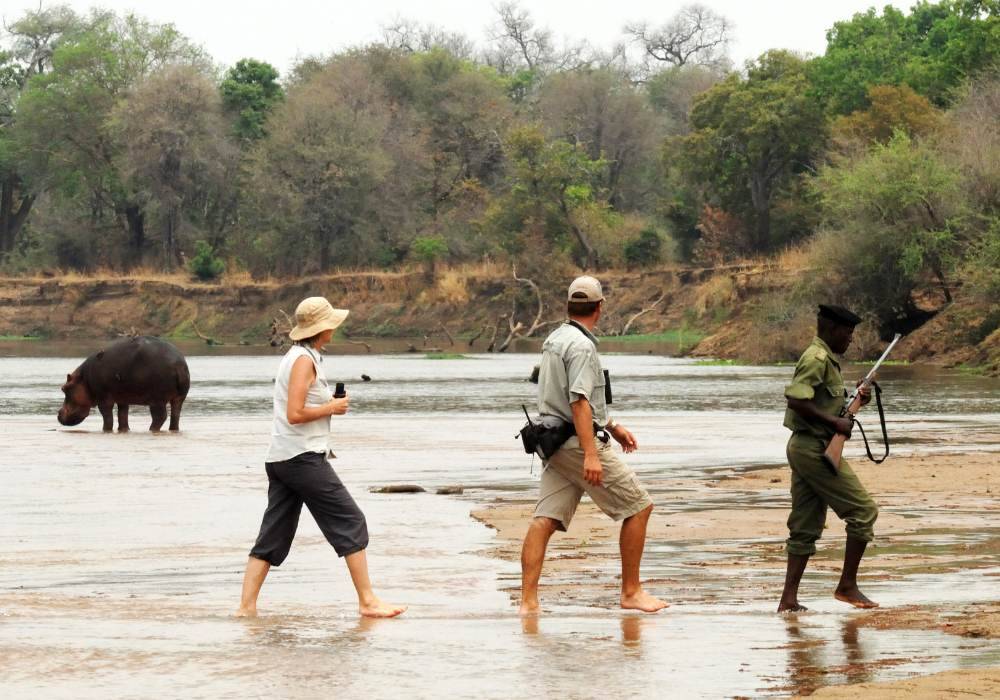
South Luangwa is Zambia's premier wildlife destination and one of Africa's best-kept secrets. Roughly 9,000 square kilometres of pristine wilderness centered on the Luangwa River, with wildlife concentrations that rival anywhere on the continent during dry season. This is where walking safaris were pioneered in the 1950s—the concept of leaving vehicles and tracking animals on foot started here with Norman Carr.

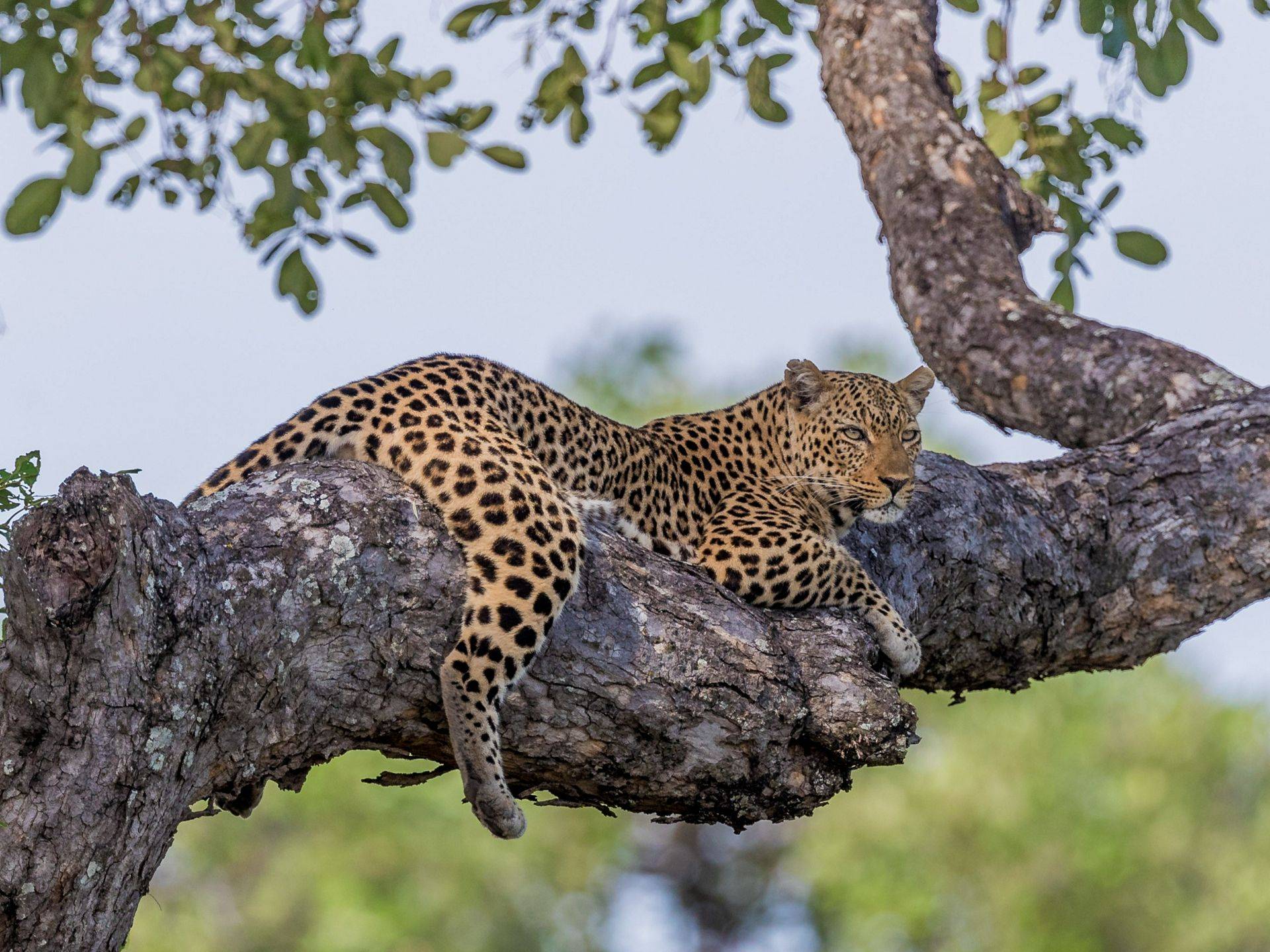
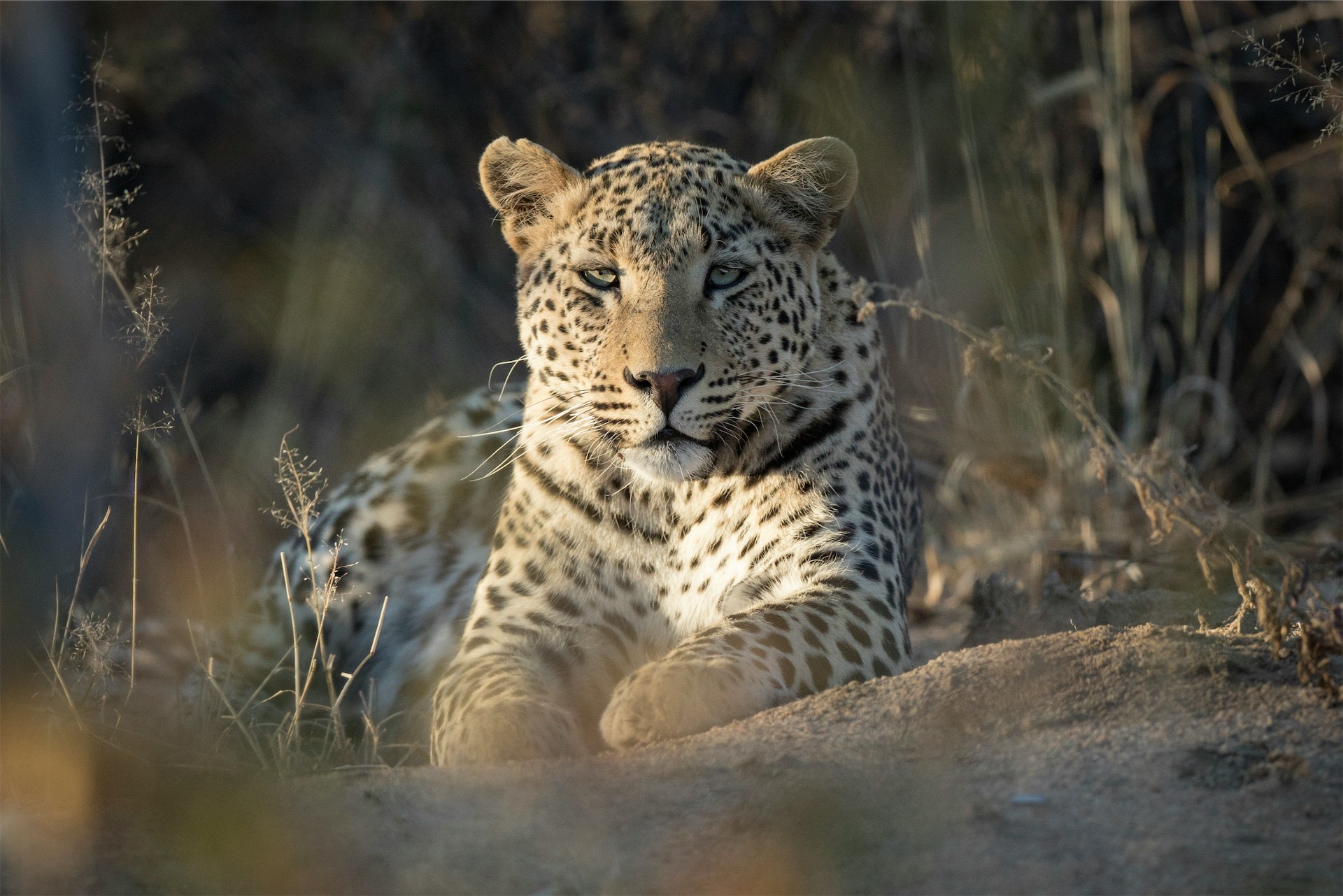
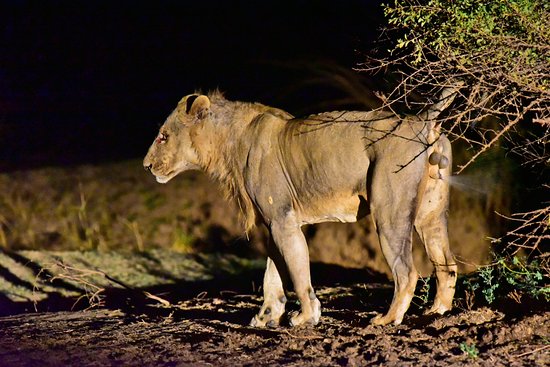
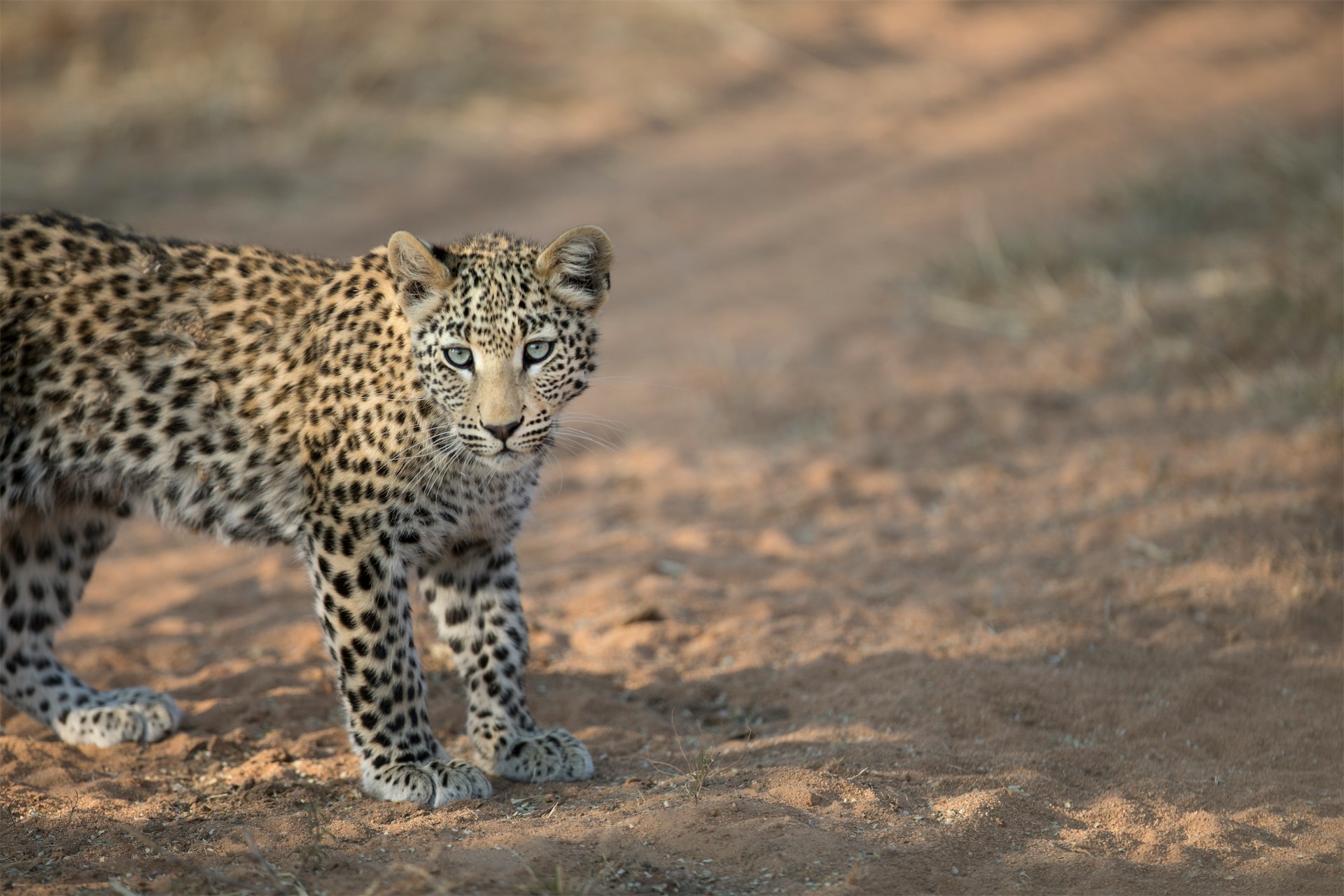
The park is famous for leopards. South Luangwa has one of the highest leopard densities in Africa, and sightings are frequent. Night drives regularly produce leopard encounters that would be exceptional elsewhere. The cats here are relaxed around vehicles, which means extended viewing rather than brief glimpses.

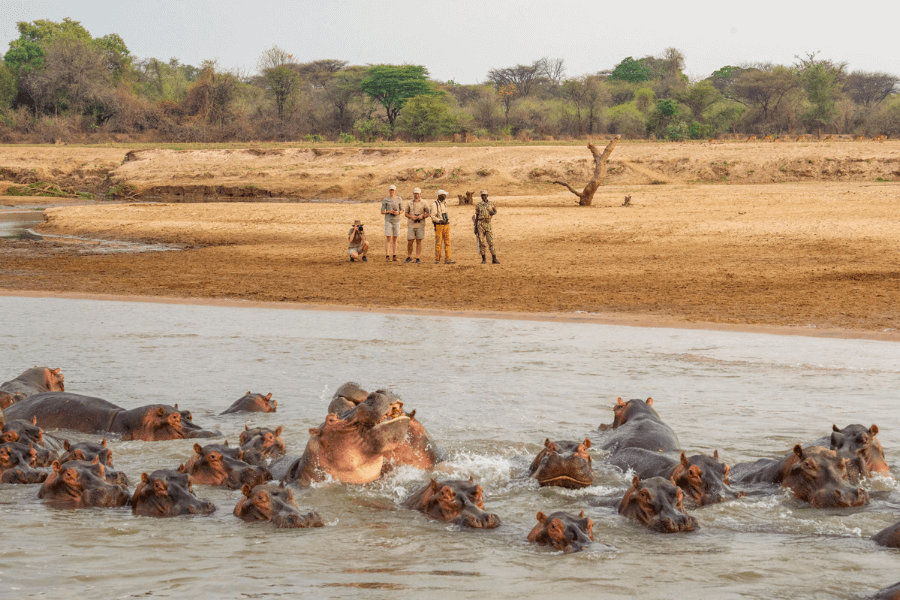
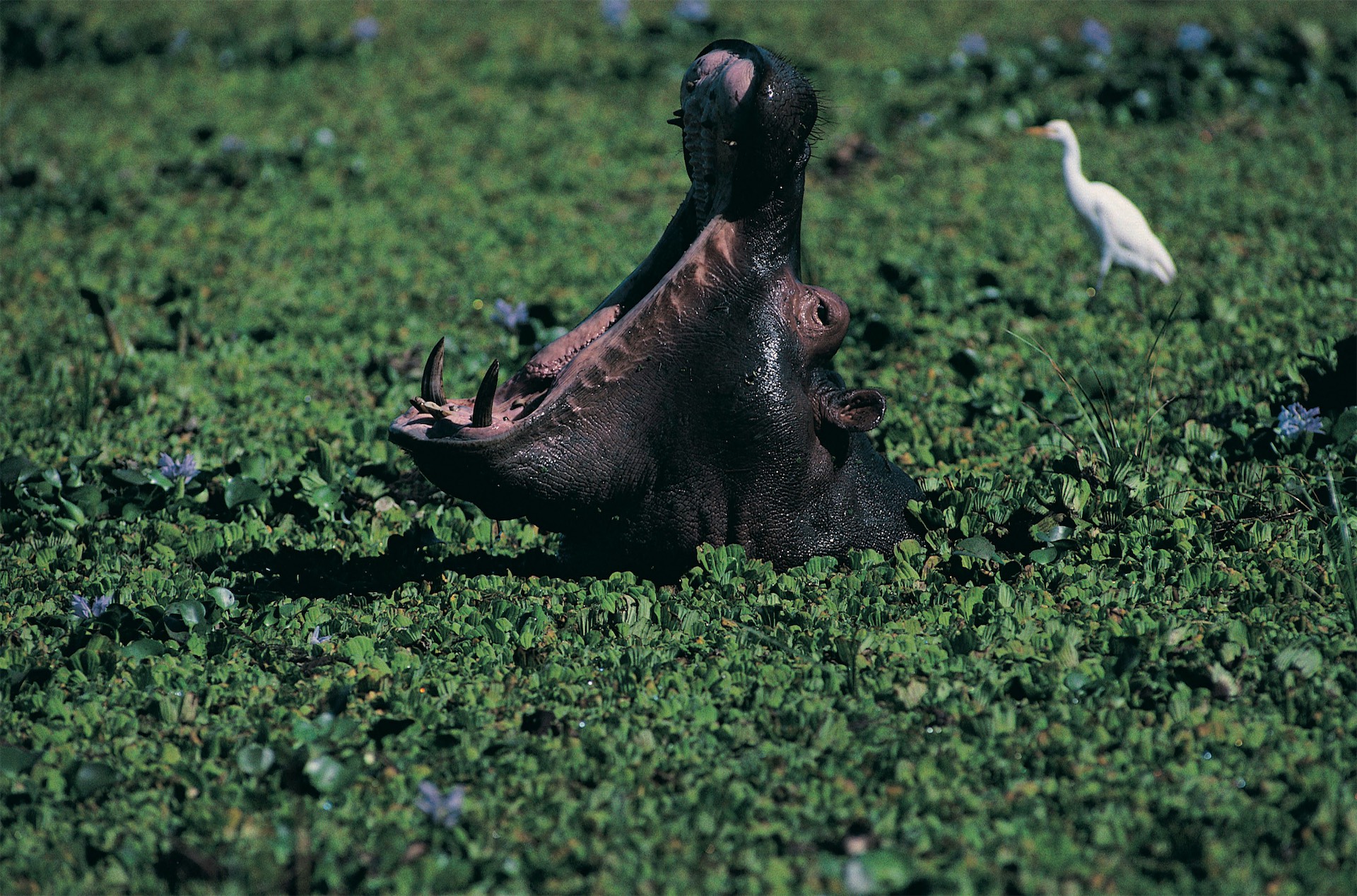
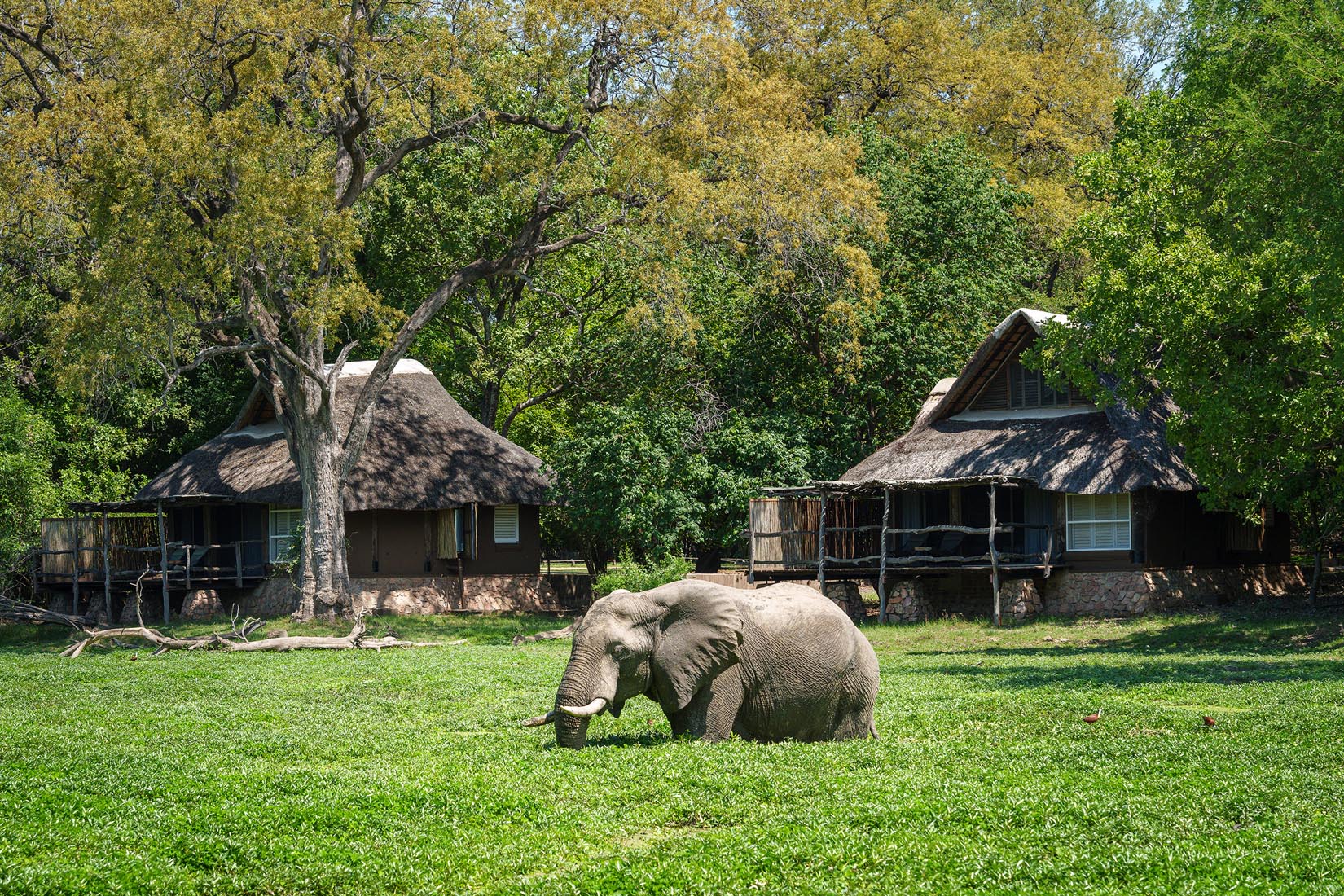
But it's the overall ecosystem that makes South Luangwa special. The Luangwa River is the artery—oxbow lagoons, seasonal channels, and permanent waterholes create a mosaic of habitats. In dry season (June to October), animals concentrate along the river. You'll see elephant herds 50+ strong, massive buffalo herds, hippo pods, and Thornicroft's giraffe—a subspecies endemic to this valley.

Access is straightforward. Direct flights from Lusaka to Mfuwe Airport, then short transfers to camps. The park has excellent lodge infrastructure, mostly concentrated in the Mfuwe area, with remote bushcamps offering more isolation.

South Luangwa invented the walking safari, and it remains the best place in Africa to experience wildlife on foot. Combined with exceptional night drives (allowed here, unlike most Tanzanian and Kenyan parks), you get 24-hour access to Africa's rhythms in ways few other destinations offer.
Top Safari Regions In South Luangwa

private slider
Mfuwe Area (South)

Main tourism hub with most lodges and camps. Excellent game viewing, especially along the river. Infrastructure well-developed. Airport access makes logistics easy.

private slider
Nsefu Sector (Central)

Remote bushcamp area between Mfuwe and North Park. Fewer vehicles, more exclusive feel. Excellent walking safari territory with varied terrain and wildlife.

private slider
North Park

Least developed, most remote section. Requires longer transfers from Mfuwe. Low tourist numbers, pristine wilderness feel. Best for experienced safari-goers seeking isolation.

private slider
Luangwa River Frontage

Camps directly on the river offer constant wildlife activity. Hippos, crocodiles, elephants crossing, and predators hunting along the banks. Prime dry season real estate.

private slider
Mfuwe Area (South)

Main tourism hub with most lodges and camps. Excellent game viewing, especially along the river. Infrastructure well-developed. Airport access makes logistics easy.

When To Visit South Luangwa

Timing determines what you'll experience. The seasons are extreme and distinct.

img

Dry Season (June To October)


Peak safari season. The Luangwa River becomes the only permanent water source as seasonal lagoons dry, concentrating wildlife in extraordinary numbers along the river and remaining waterholes.

June-July: Early dry season—grass still high, cooler temperatures, excellent viewing without peak crowds. August-September: Prime time—maximum wildlife density, lowest grass, best visibility. October: Intensely hot (40+ Celsius) but exceptional viewing as stressed animals concentrate at limited water.

Night drives and walking safaris operate throughout. Leopard sightings peak. Lion prides patrol river sections. Wild dog sightings possible but not guaranteed—they're nomadic and unpredictable.

High season means lodges book months ahead, especially August-September. Prices reflect demand. For guaranteed excellent game viewing, this is your window.

img

Emerald Season (November To April)

The rains arrive, transforming the valley into lush green wilderness. Most camps close November through May—only a handful stay open for "emerald season."

This is adventurous, off-the-beaten-path safari time. Wildlife disperses as water becomes available everywhere, making game viewing harder and less predictable. But birding explodes—migrants arrive, residents breed, over 400 species active.

The landscape is photogenic—dramatic skies, green vegetation, newborn animals. Predators are present but harder to find. Walking safaris continue at open camps.

Significantly cheaper than dry season. True wilderness experience with almost no other tourists. Roads can become impassable after heavy rains; some park areas are inaccessible.

If you're experienced, flexible, and prioritize solitude over guaranteed sightings, emerald season offers something unique. First-timers should stick to dry season.

Experiences Unique To South Luangwa

Experience the wild in comfort with our handpicked lodges and camps.

private slider
Walking Safaris

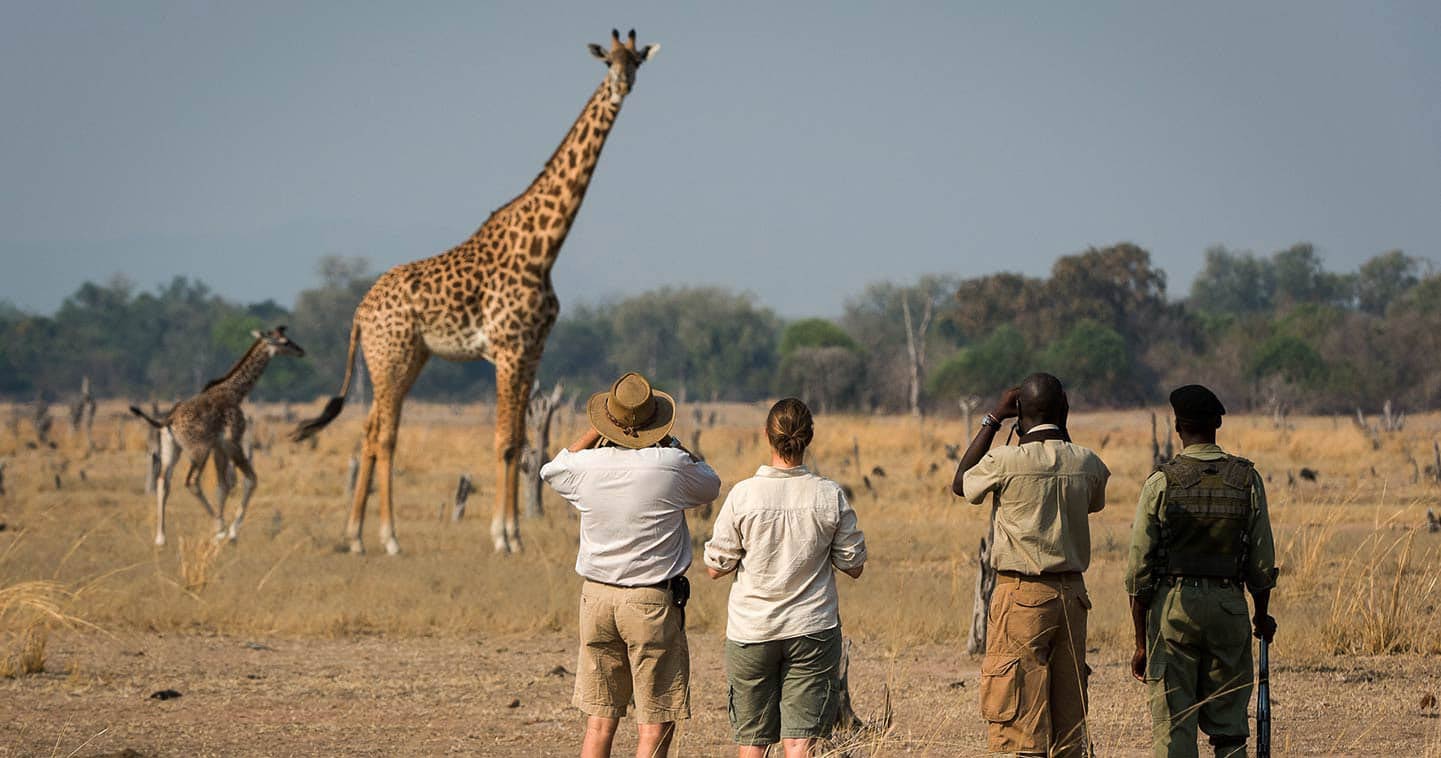
The park where walking safaris began. Track animals on foot with armed scouts. Focus shifts to smaller details—tracks, insects, birds—while maintaining awareness of large game.

private slider
Night Drives

Spotlights reveal the nocturnal world. Leopards hunting, civets, genets, porcupines, hyenas, owls. South Luangwa's night game viewing is among Africa's best.

private slider
Sleep-Outs Under The Stars

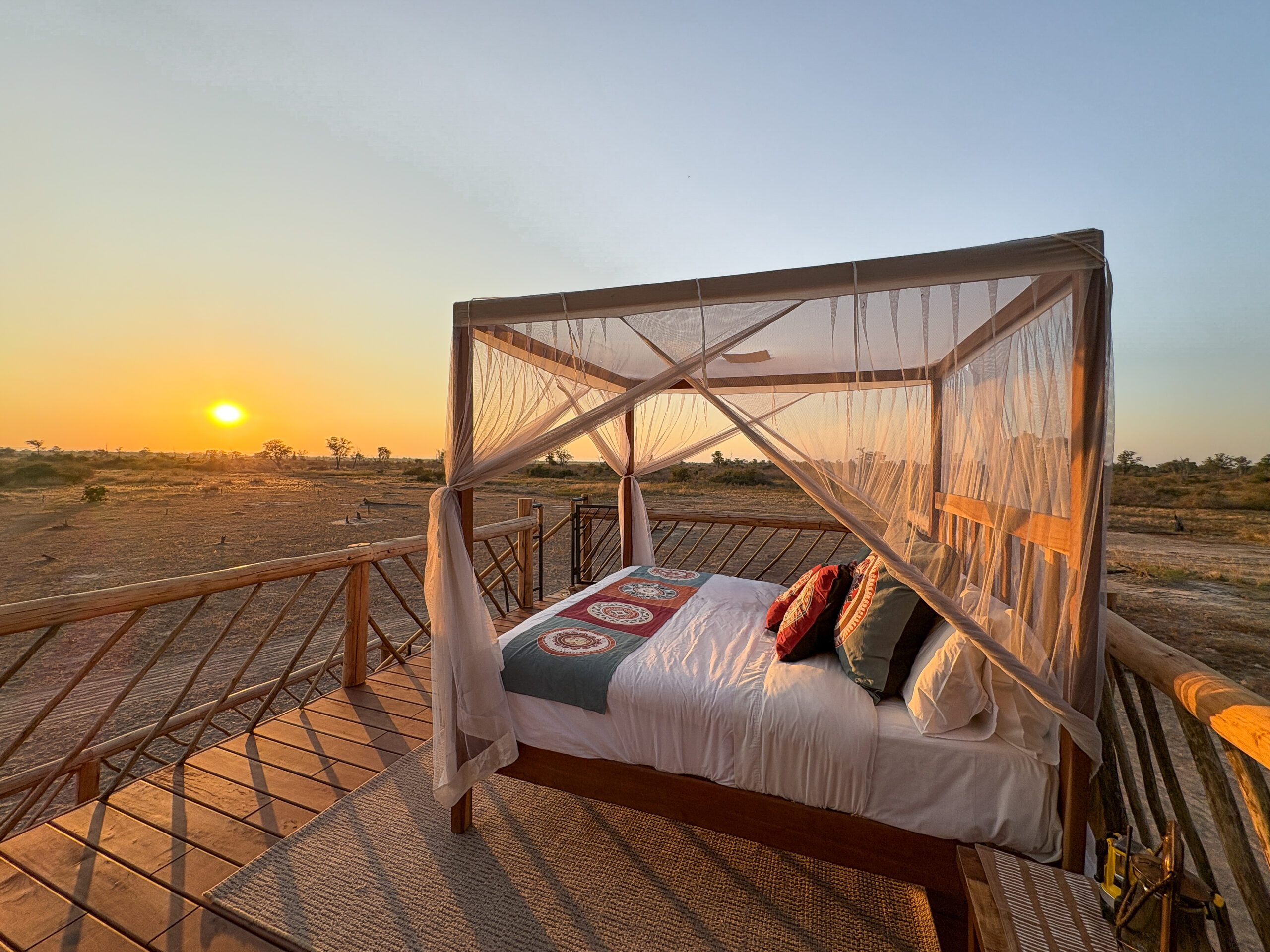
Some camps offer sleep-outs on raised platforms in the bush. No tent, just a bed and mosquito net. Fall asleep to hippo grunts and lion calls. Genuinely adventurous.

private slider
Walking Safaris

The park where walking safaris began. Track animals on foot with armed scouts. Focus shifts to smaller details—tracks, insects, birds—while maintaining awareness of large game.

private slider
Night Drives

Spotlights reveal the nocturnal world. Leopards hunting, civets, genets, porcupines, hyenas, owls. South Luangwa's night game viewing is among Africa's best.

Frequently Asked Questions

Q: What's the best time to see leopards in South Luangwa?

Arrow

A: Dry season, particularly August through October. Leopard density is high year-round, but sightings are most frequent when vegetation is low and animals concentrate near water. Night drives dramatically increase your odds—leopards are crepuscular and nocturnal hunters. South Luangwa rivals Sabi Sands in South Africa for leopard viewing, and it's significantly less expensive.

Q: Are walking safaris dangerous?

Arrow

A: They carry inherent risk, but qualified guides mitigate it effectively. You walk with armed scouts who read animal behavior and maintain safe distances. Most walks avoid deliberate close approaches to dangerous game. The point isn't adrenaline—it's immersion. You learn tracking, understand ecosystems, experience the bush at human pace. Incidents are extremely rare. Follow guide instructions exactly and you'll be fine.

Q: How do you get to South Luangwa?

Arrow

A: Fly from Lusaka to Mfuwe Airport (one hour). Most lodges arrange transfers—typically 20 minutes to an hour depending on camp location. Some remote bushcamps require longer drives. Road access from Lusaka is possible but impractical—10+ hours on rough roads. Flying is the standard approach. International visitors usually route through Johannesburg or Nairobi to Lusaka, then onward to Mfuwe.

Q: Can children participate in walking safaris?

Arrow

A: Minimum age varies by operator, typically 12-16 years. Some camps offer shorter, less intense walks for younger children accompanied by parents. Night drives generally allow children 6+, though some lodges set higher age limits. Check with specific camps when booking if traveling with kids. Family-friendly options exist but aren't universal.

Q: What's the difference between South Luangwa and North Luangwa?

Arrow

A: North Luangwa is smaller, more remote, and far less developed. Only a handful of camps, all focused on serious walking safaris. No night drives. Minimal vehicle-based game viewing. Access requires charter flights. North Luangwa is for purists seeking wilderness immersion. South Luangwa offers better infrastructure, more diverse safari activities, easier logistics, and comparable wildlife densities. Unless you're specifically seeking extreme remoteness, South Luangwa is the better choice.

Q: Are there Big Five in South Luangwa?

Arrow

A: Four of the Big Five. No rhinos—they were poached to local extinction. You'll see elephants, buffalo, and leopards regularly. Lions are present but less common than in East African parks—estimated 130-160 individuals. South Luangwa isn't primarily a Big Five destination. It's a walking safari and leopard destination that happens to have excellent general game viewing.

Q: Is malaria a concern in South Luangwa?

Arrow

A: Yes. South Luangwa is a high-risk malaria area year-round. Prophylaxis is strongly recommended. Most camps provide mosquito nets and repellent. Cover up at dawn and dusk when mosquitoes are most active. The risk doesn't diminish in dry season. Consult a travel health clinic before your trip for current prophylaxis recommendations.

Q: How does South Luangwa compare to South Africa's Kruger or Sabi Sands?

Arrow

A: More remote, less developed infrastructure, and significantly fewer tourists. Leopard sightings rival Sabi Sands. Walking safaris and night drives exceed what Kruger's main park offers (though private reserves in South Africa also allow these). South Luangwa feels wilder and less managed. Kruger has better roads, more self-drive accessibility, and easier logistics. South Luangwa requires flying in and staying at camps—it's a fly-in safari destination. Choose Kruger for accessibility and infrastructure, South Luangwa for wilderness immersion and authentic African bushcamp experience.

img

Tuskari’s Impact in South Luangwa National Park

Every booking through Tuskari supports conservation efforts and community programs in and around South Luangwa National Park.

View Trips in South Luangwa National Park