Why visit the Serengeti?
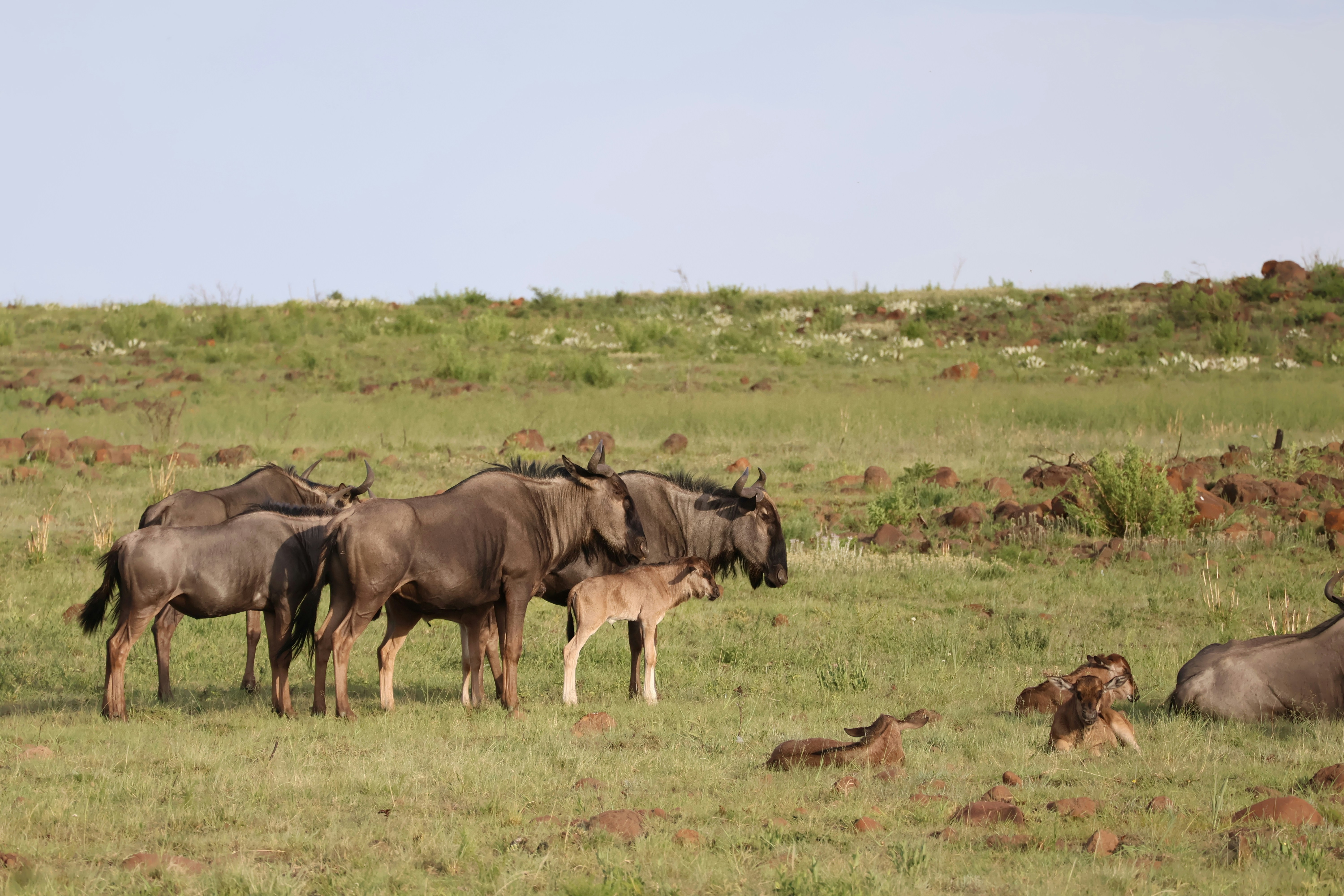
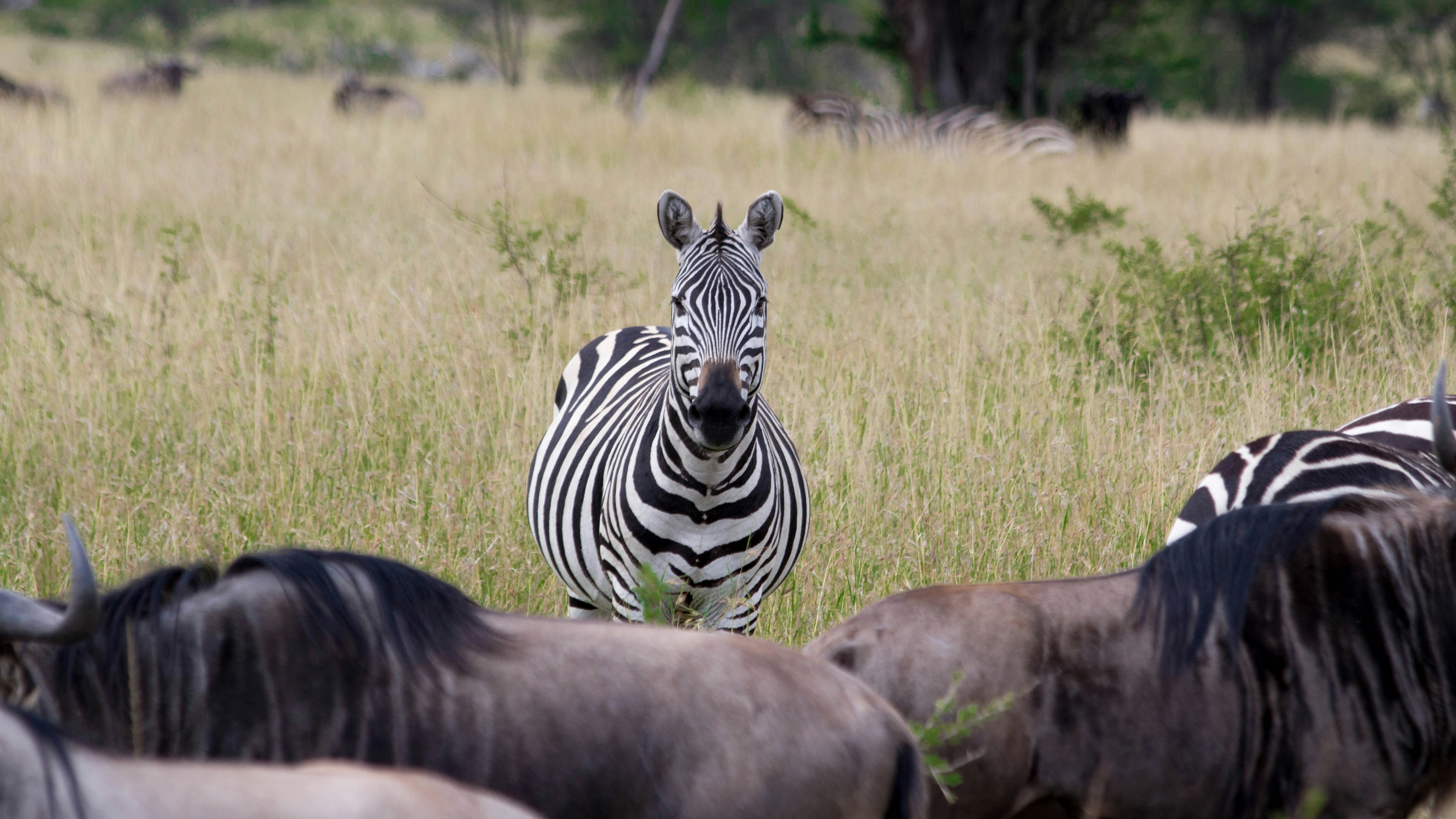
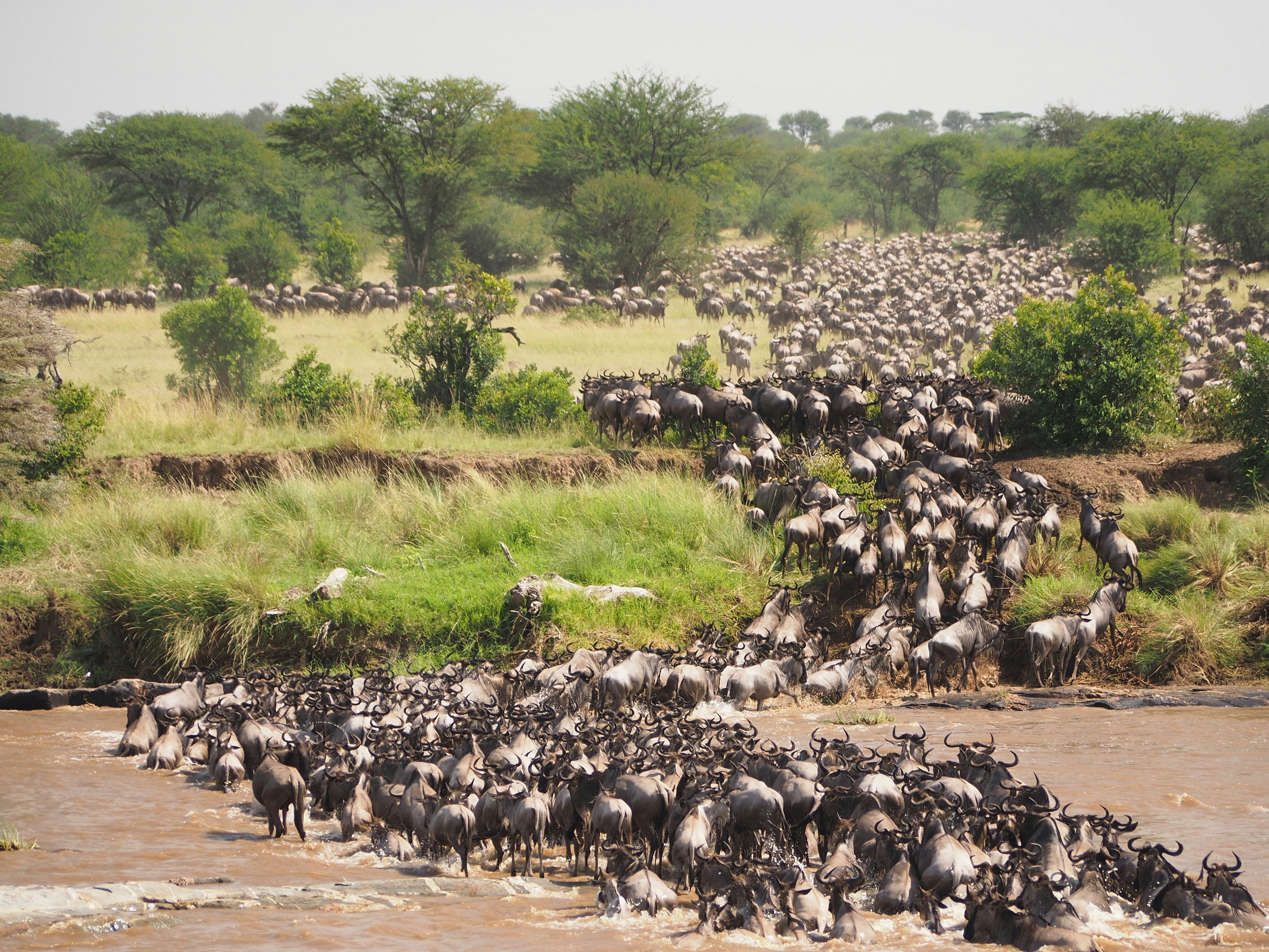
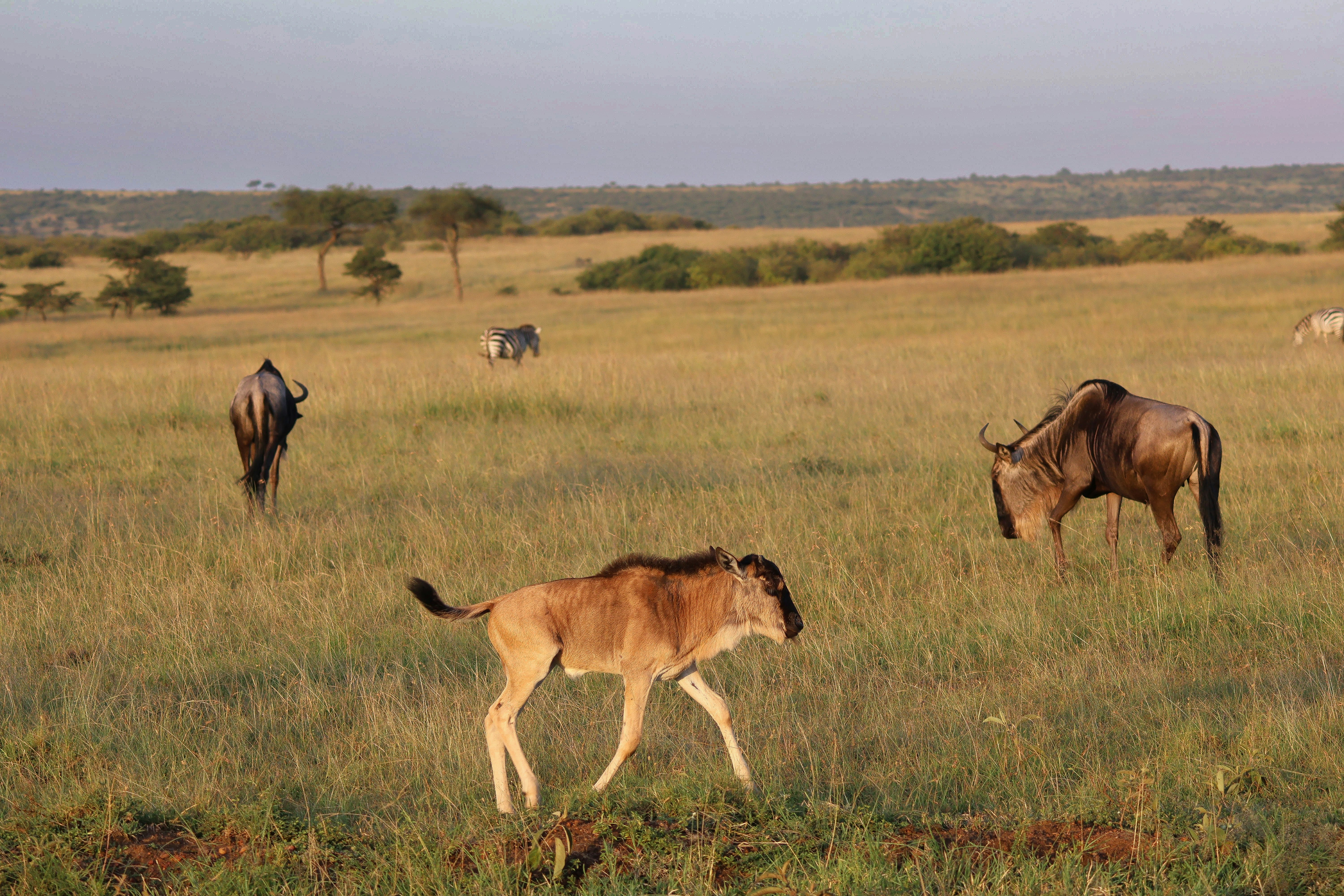
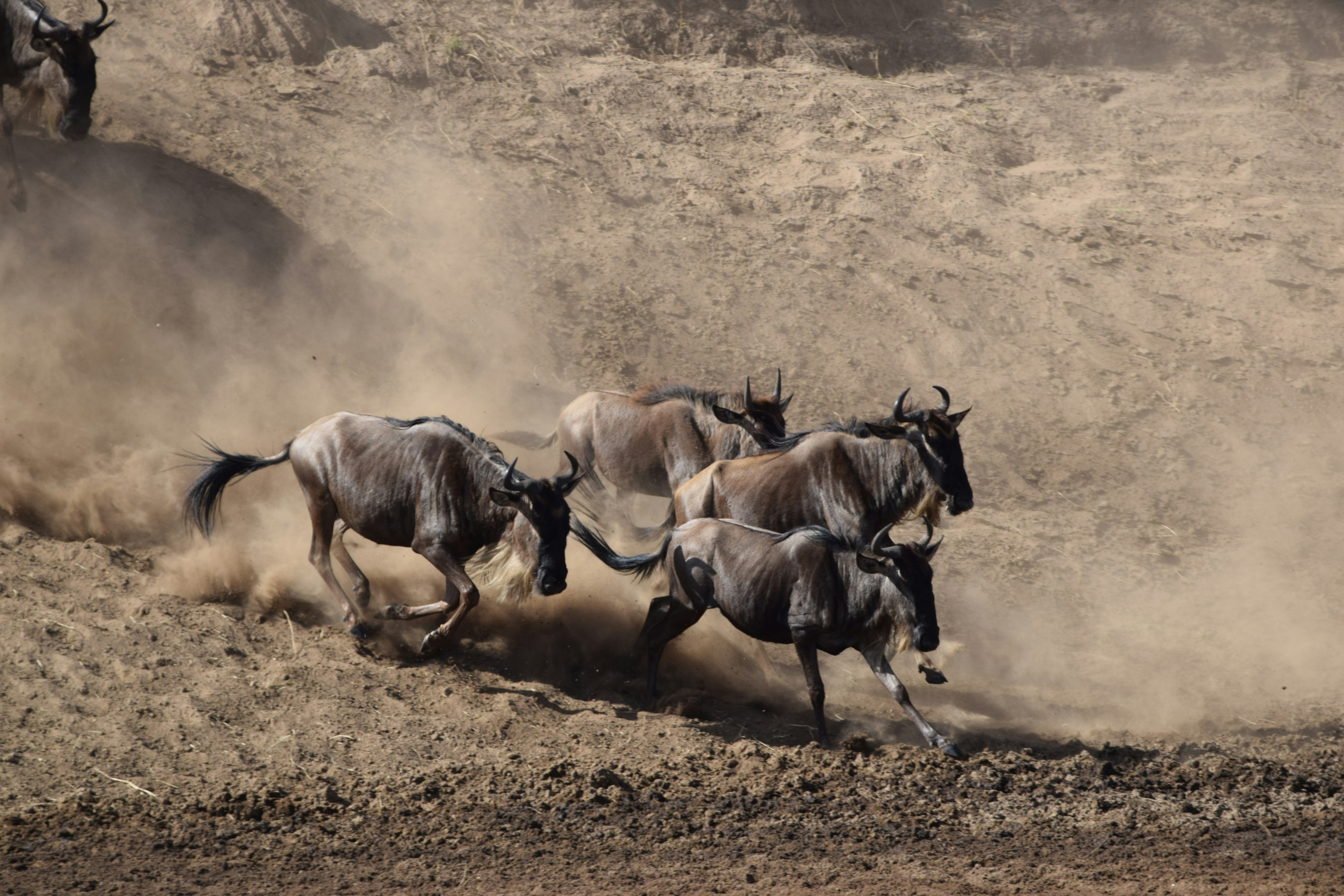
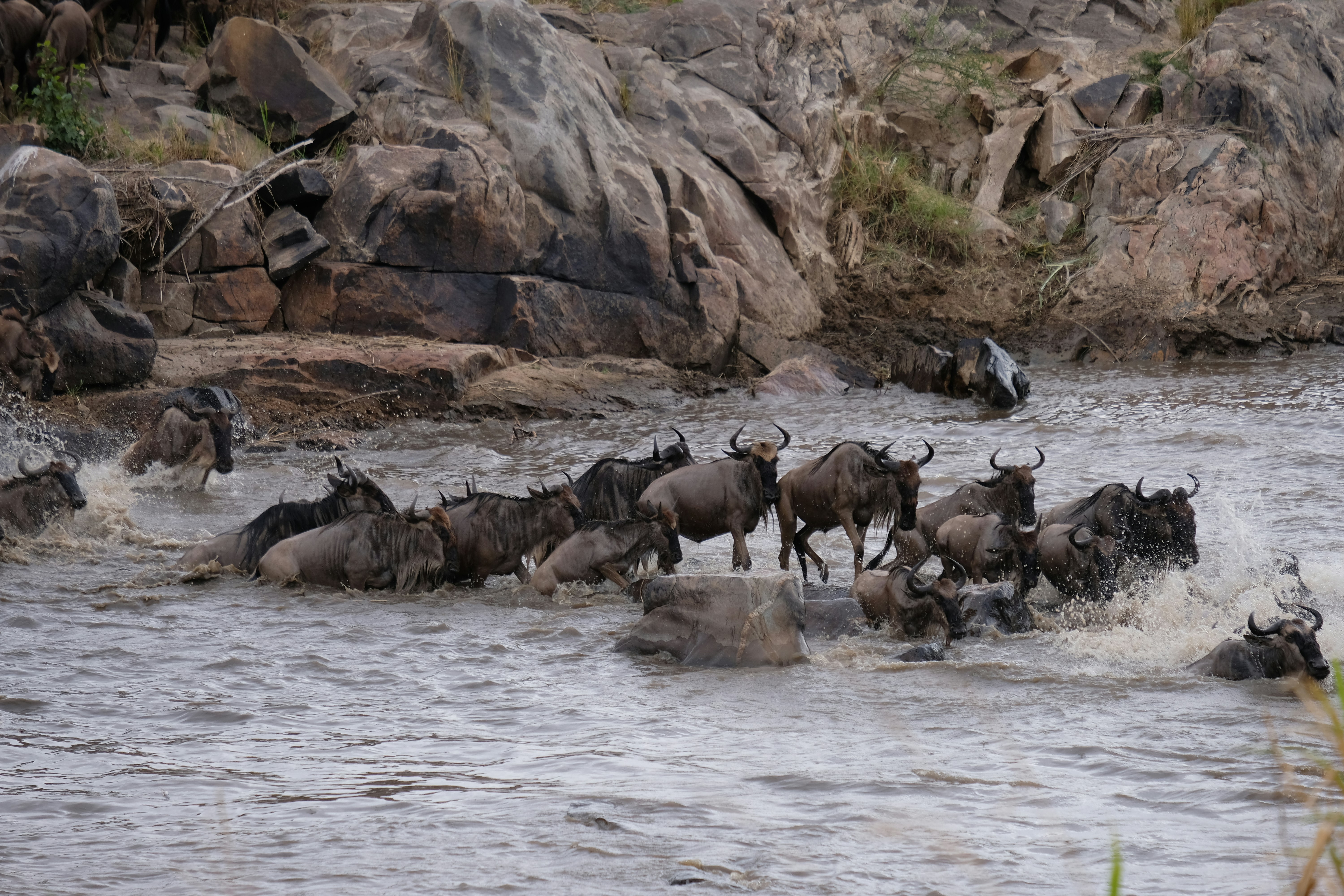
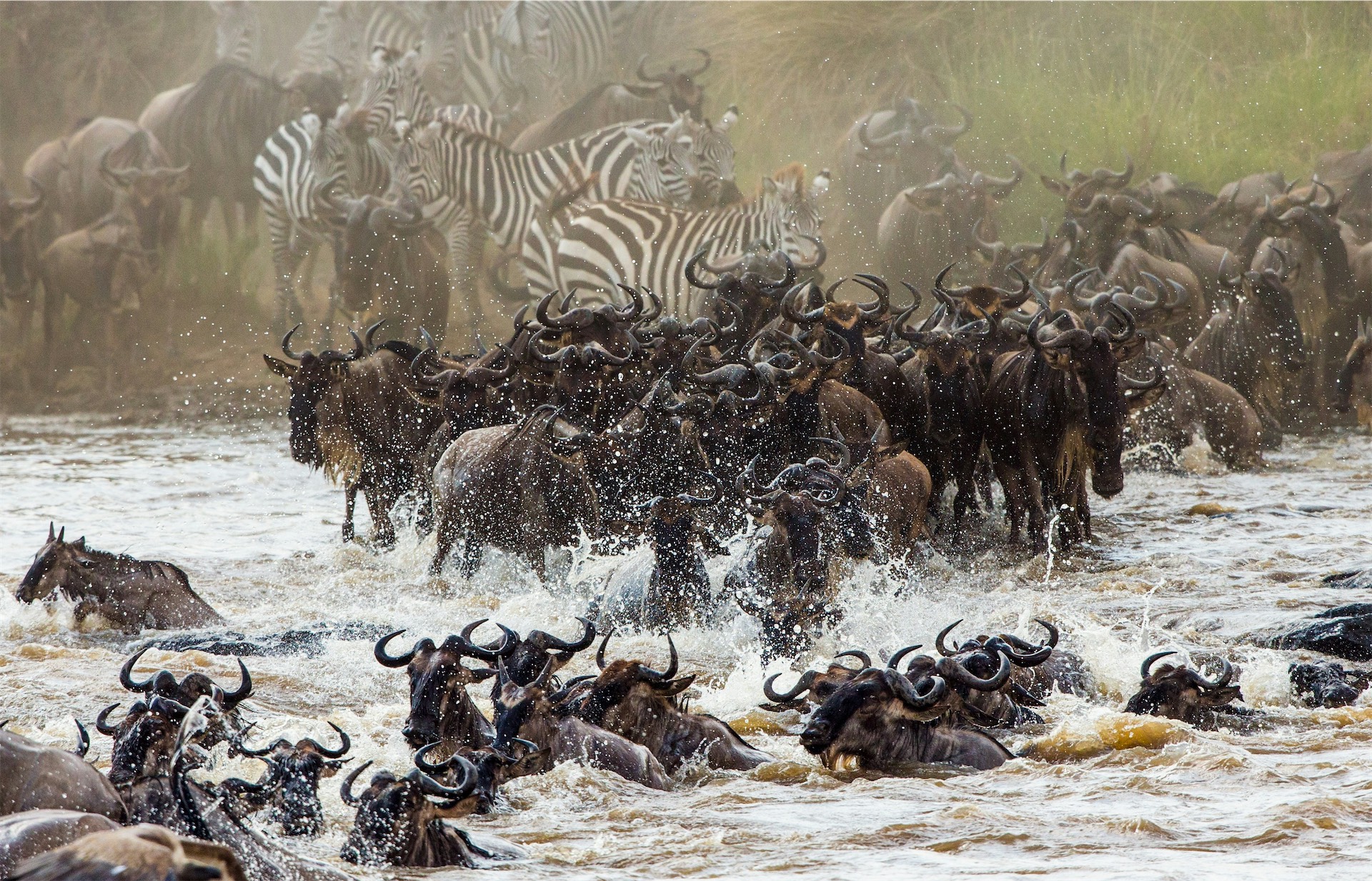
The Serengeti is enormous. Nearly 15,000 square kilometres of grassland, acacia woodland, and rocky outcrops that make up one of the oldest and least disturbed ecosystems on the planet. This is where the Great Migration happens—1.5 million wildebeest and 200,000 zebra moving in a loop that follows the rains and the grass. But reducing the Serengeti to just the migration misses the point.
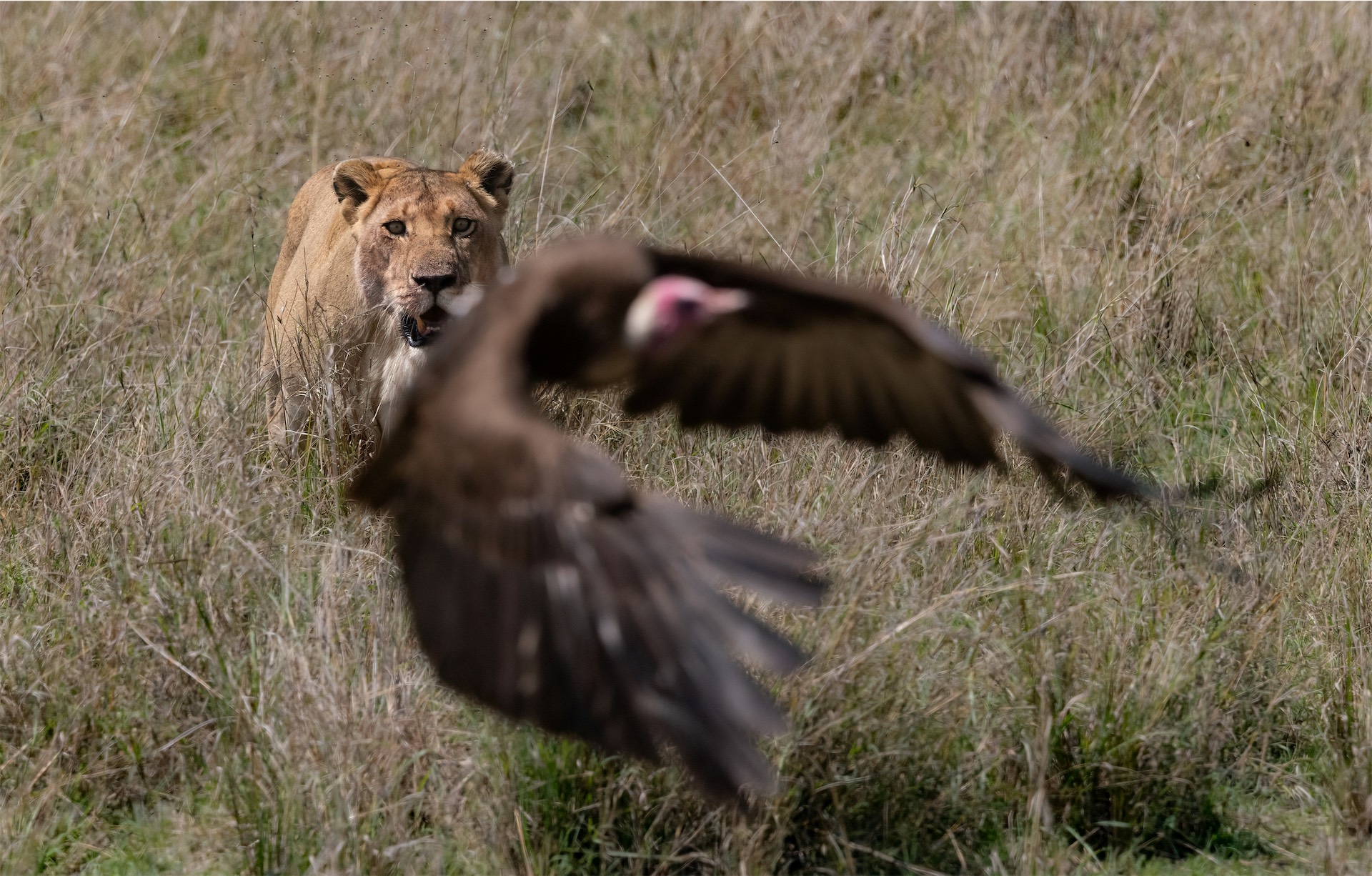
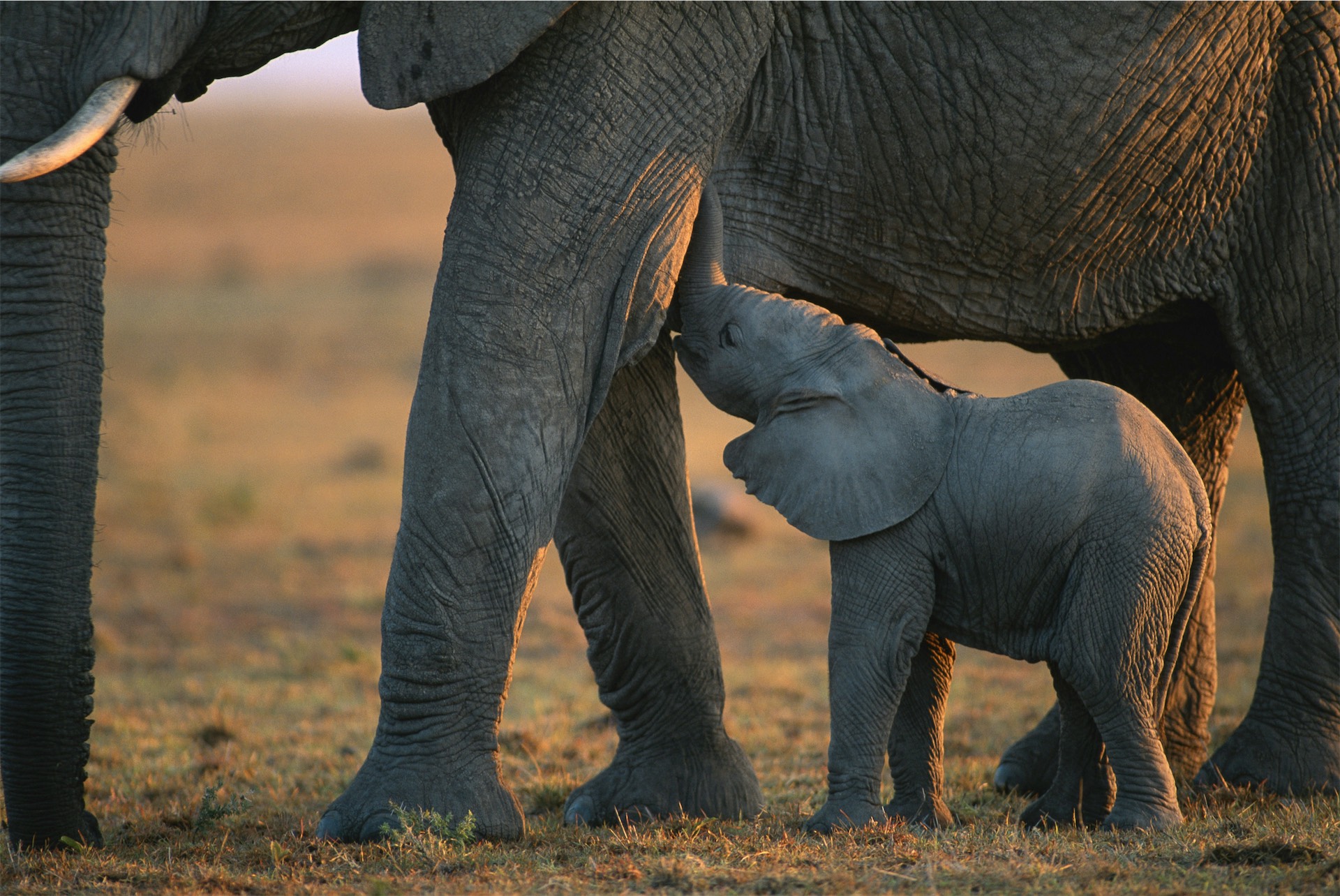
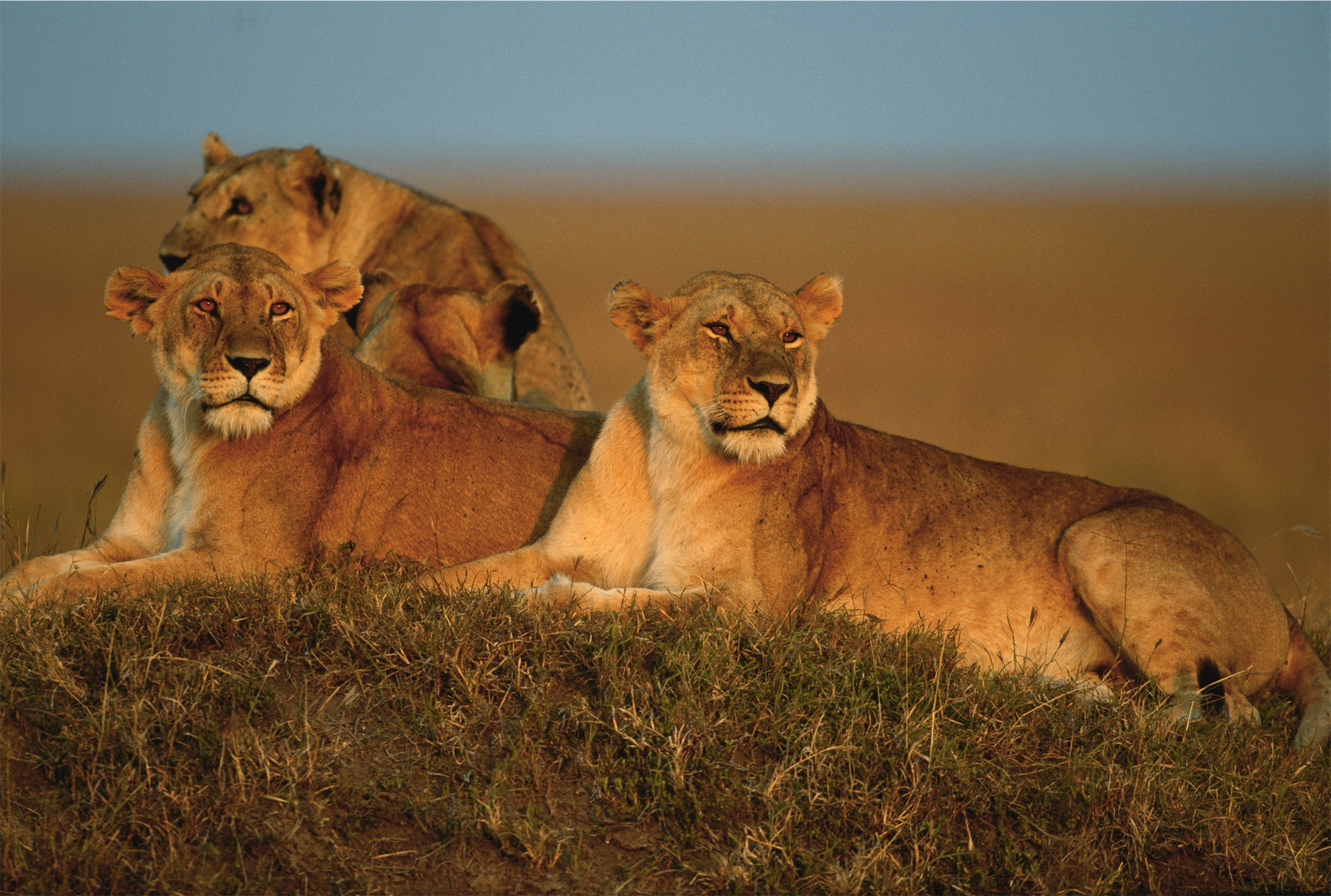
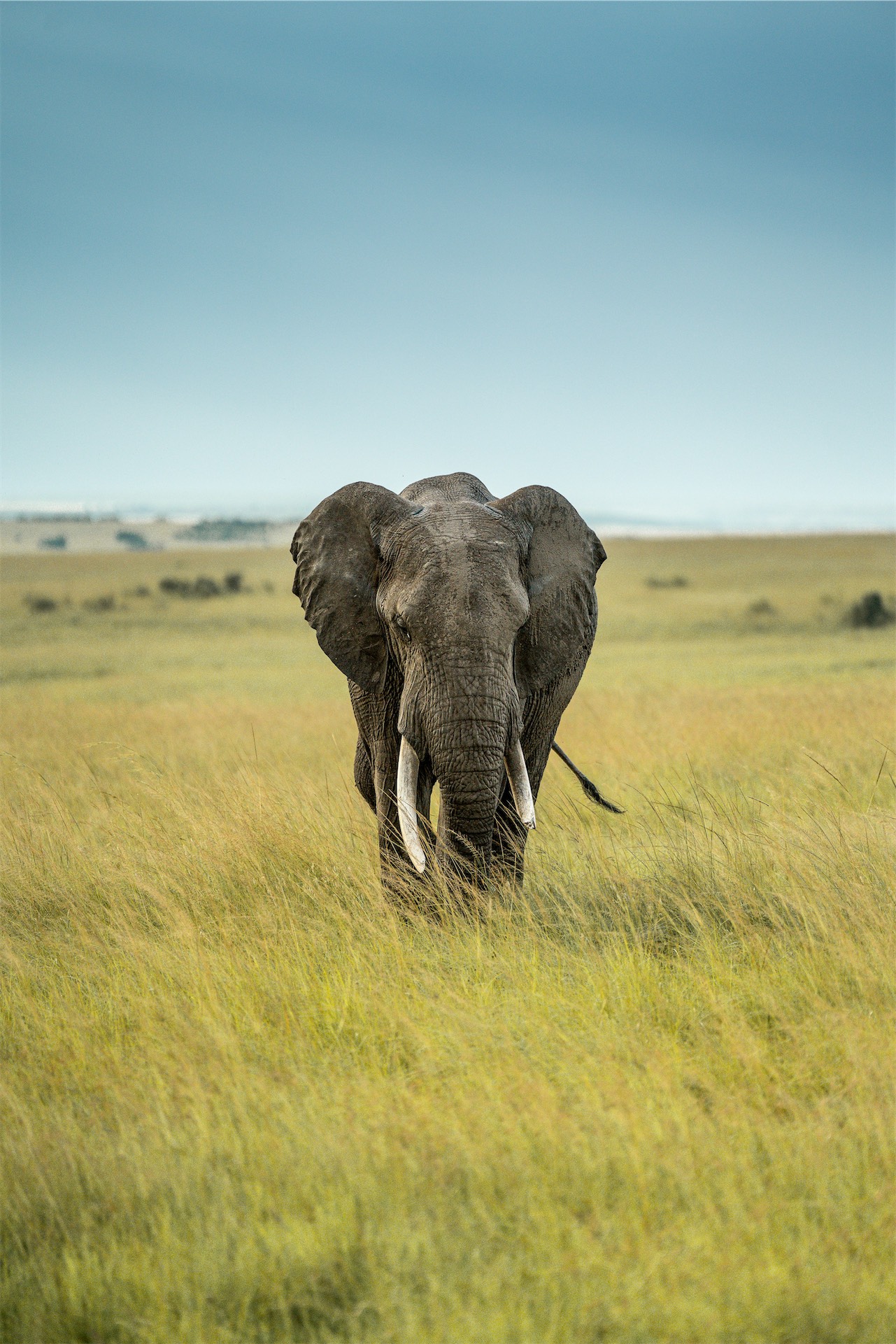
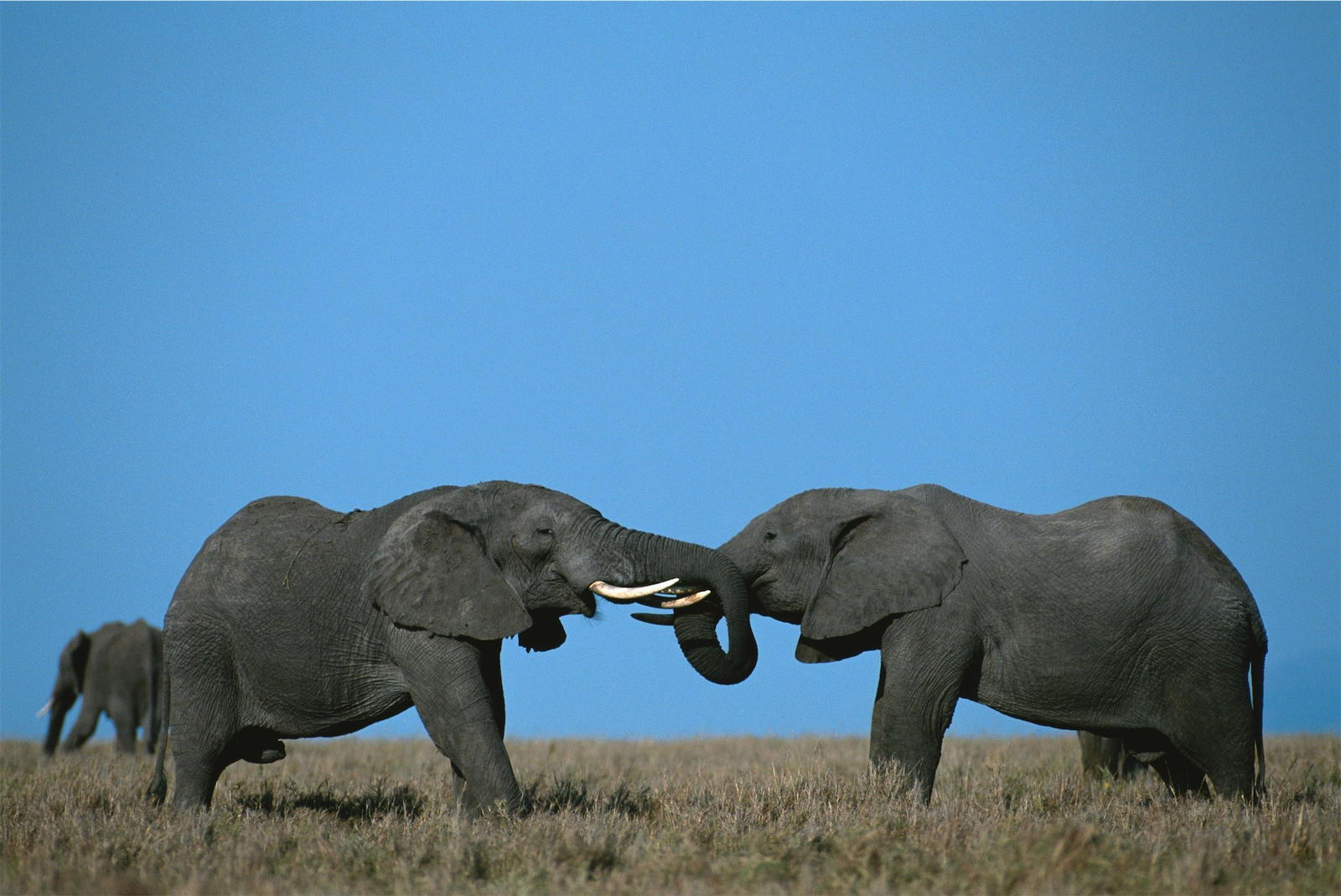
This place works year-round. When the herds are in the south, the predators follow. When they move north toward the Mara River, lions and leopards adapt their hunting territories. Resident game—elephants, buffalo, giraffe, countless antelope species—stay put regardless of what the migratory herds are doing. The big cats here are some of the most habituated in Africa, which means close sightings and behaviour you can actually observe, not just glimpse.
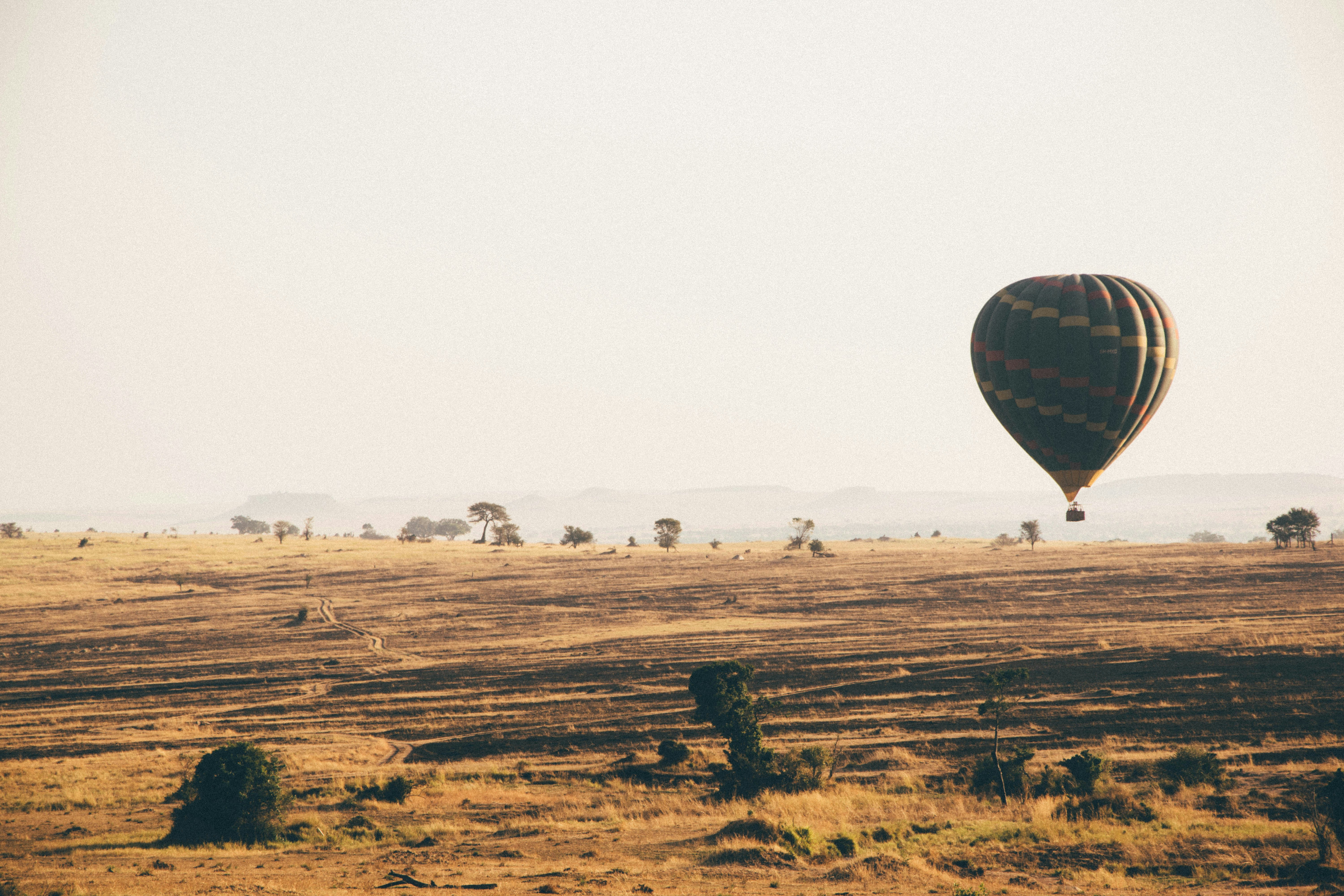
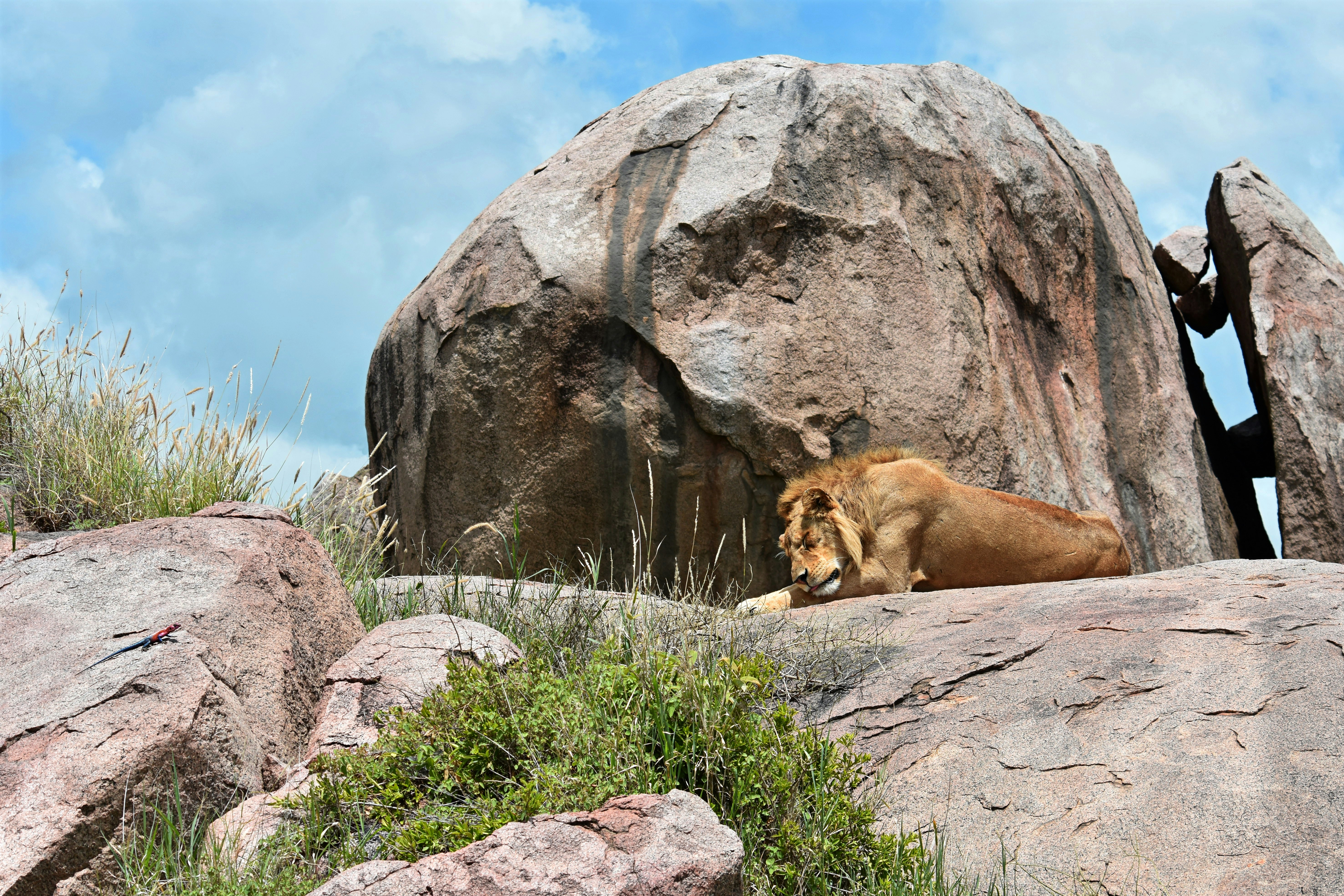
The landscape shifts depending where you are. The southern plains are wide open—endless grass with nowhere to hide. The western corridor has rivers and thick riverine forest where crocodiles wait during the crossings. The northern Serengeti gets hilly, with kopjes—those granite rock formations that look like islands—scattered across the plains. Each area has its own rhythm and its own wildlife patterns.
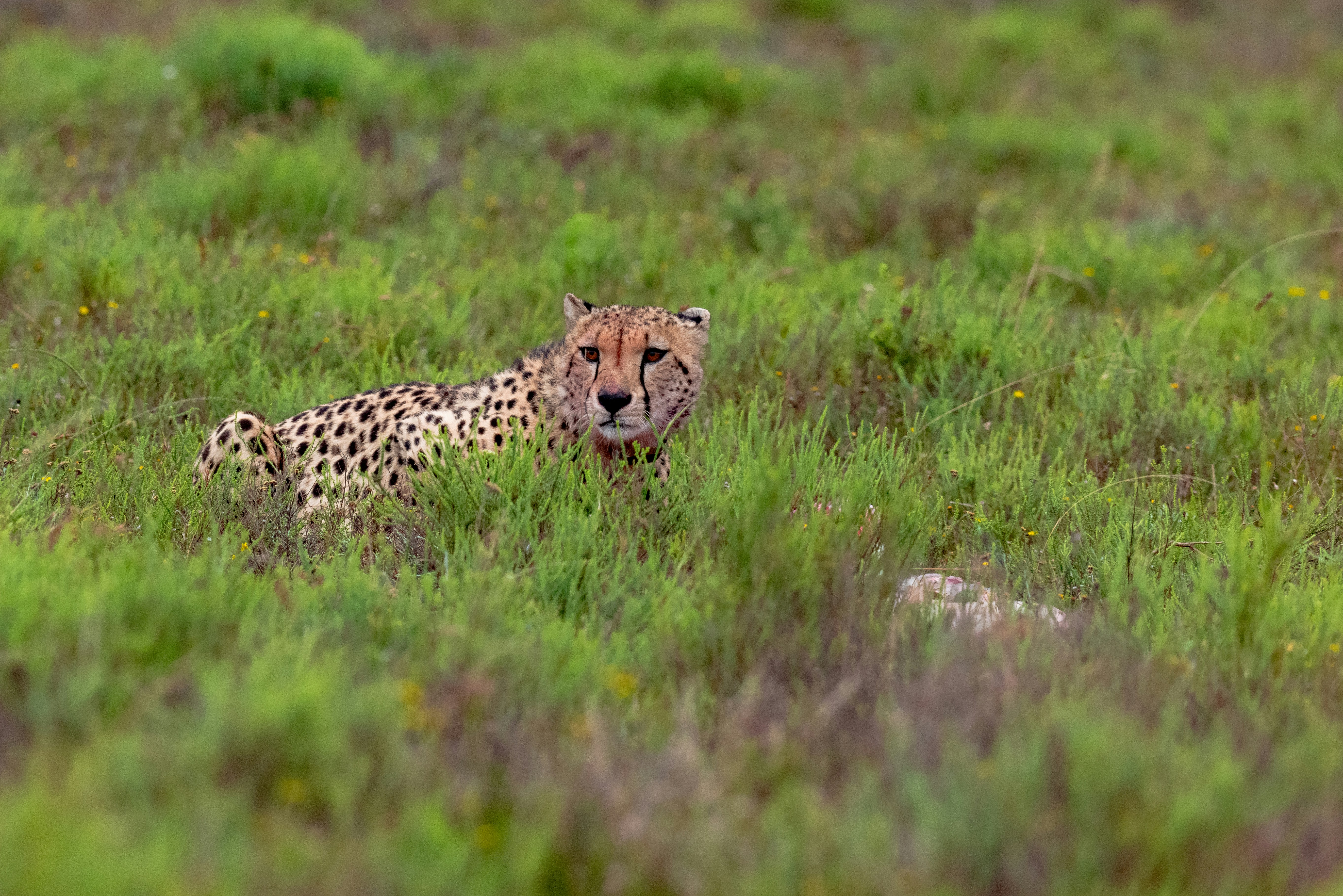
Game drives here feel different than other parks. The density is high, but the space is vast. You can drive for an hour and see nothing, then come over a ridge and find three cheetahs stalking Thomson's gazelles with a line of wildebeest stretching to the horizon behind them. The scale is what makes it work. There's room for wildlife to behave naturally because there's room for them to move.
The Serengeti is not a hidden gem or an off-the-beaten-path experience. It's famous because it delivers. If you want to see African wildlife at volume and watch predator-prey dynamics play out in real time, this is still the best place to do it.