bannerimg

Okavango Delta

Where the river gives up on the ocean and creates something better.

Why Visit the Okavango Delta

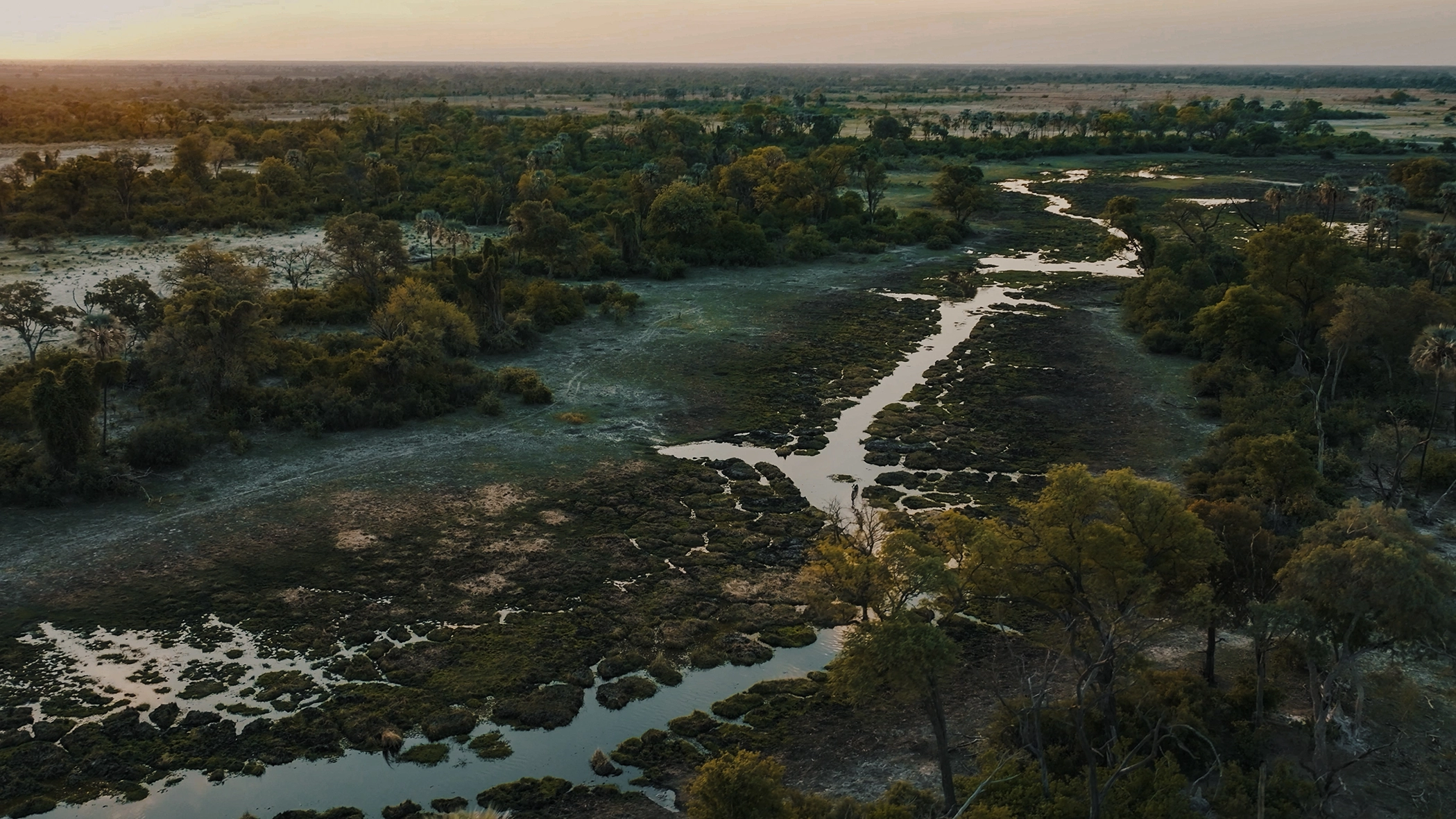
The Okavango River does something unusual. Instead of reaching the sea, it floods into the Kalahari Desert and creates the world's largest inland delta. Every year, water from the Angolan highlands arrives months after the rains stop, turning dry channels into waterways and pulling wildlife from across Botswana.

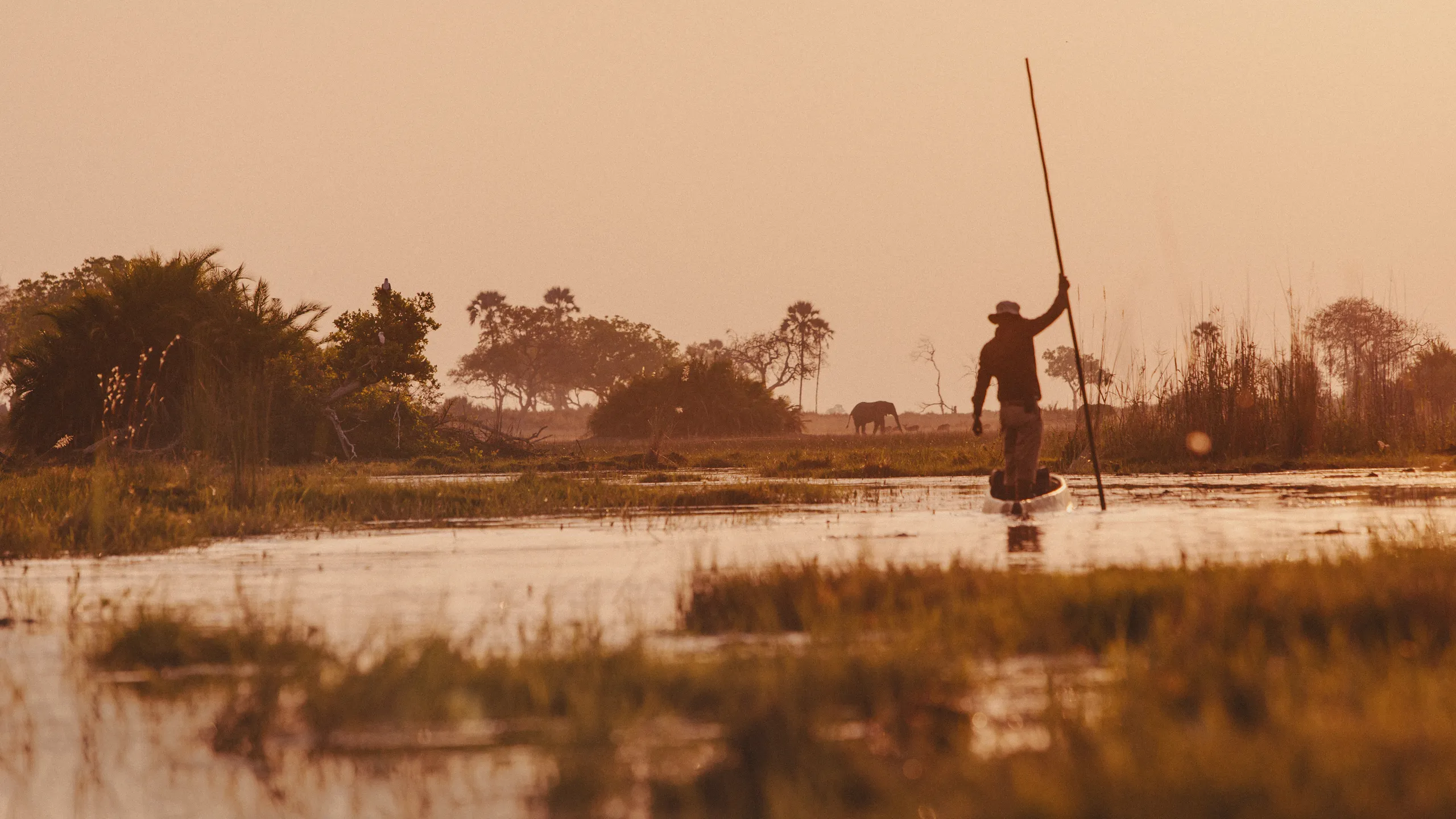
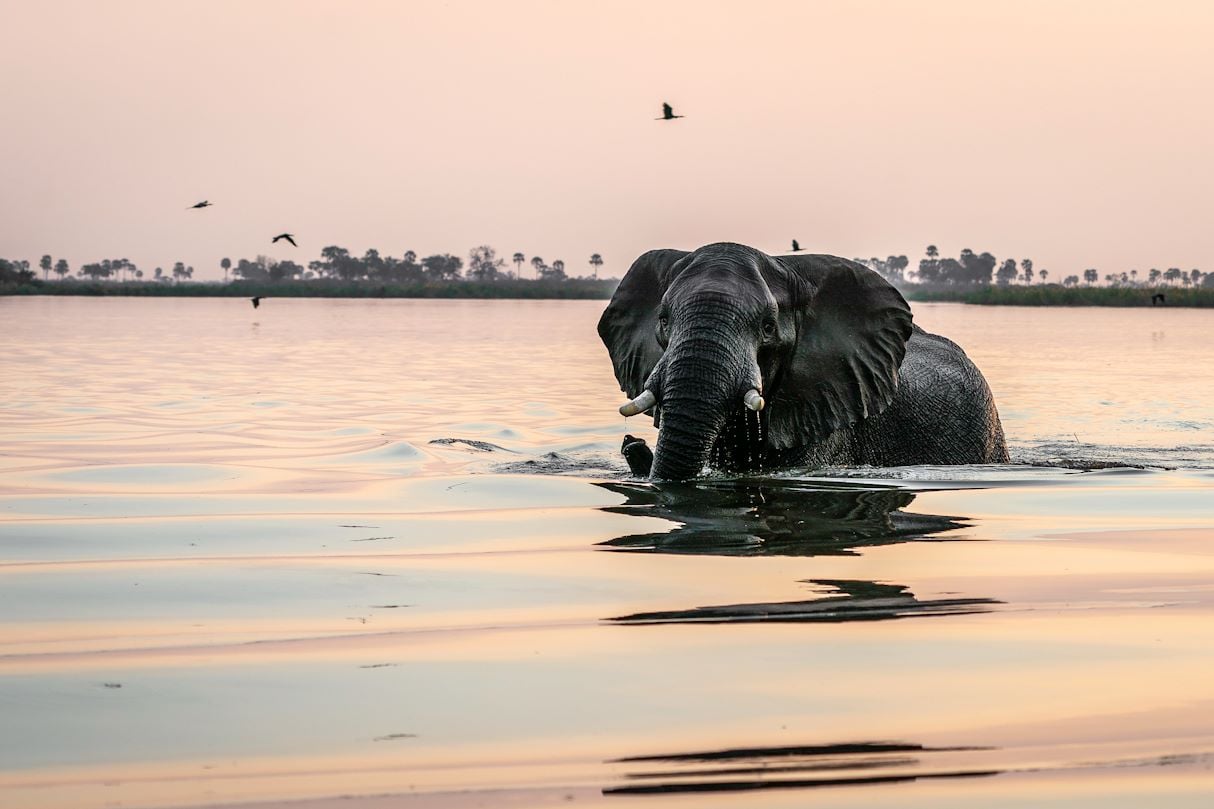
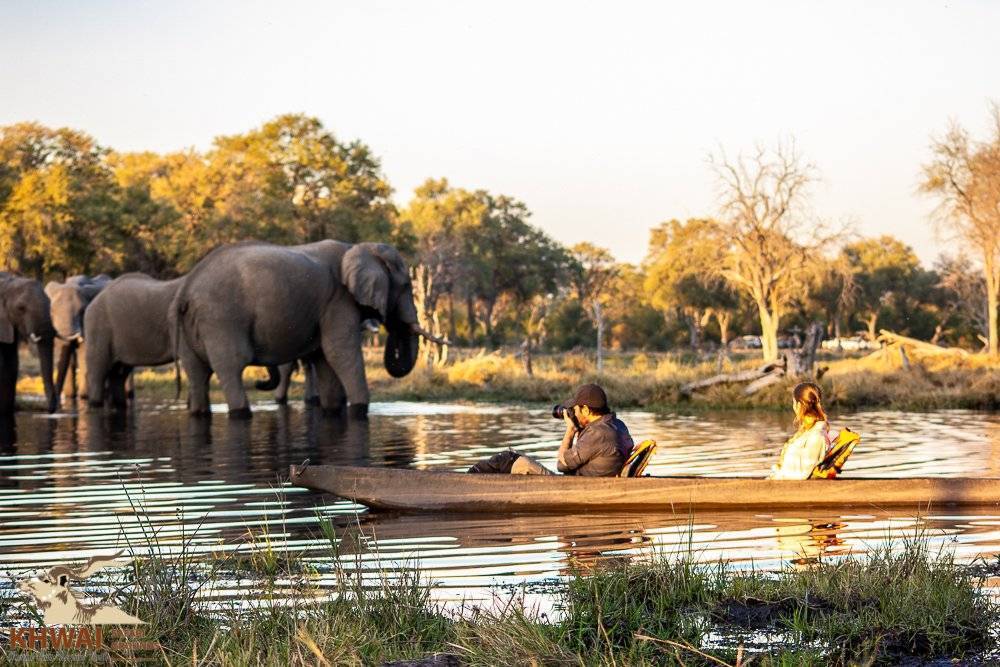
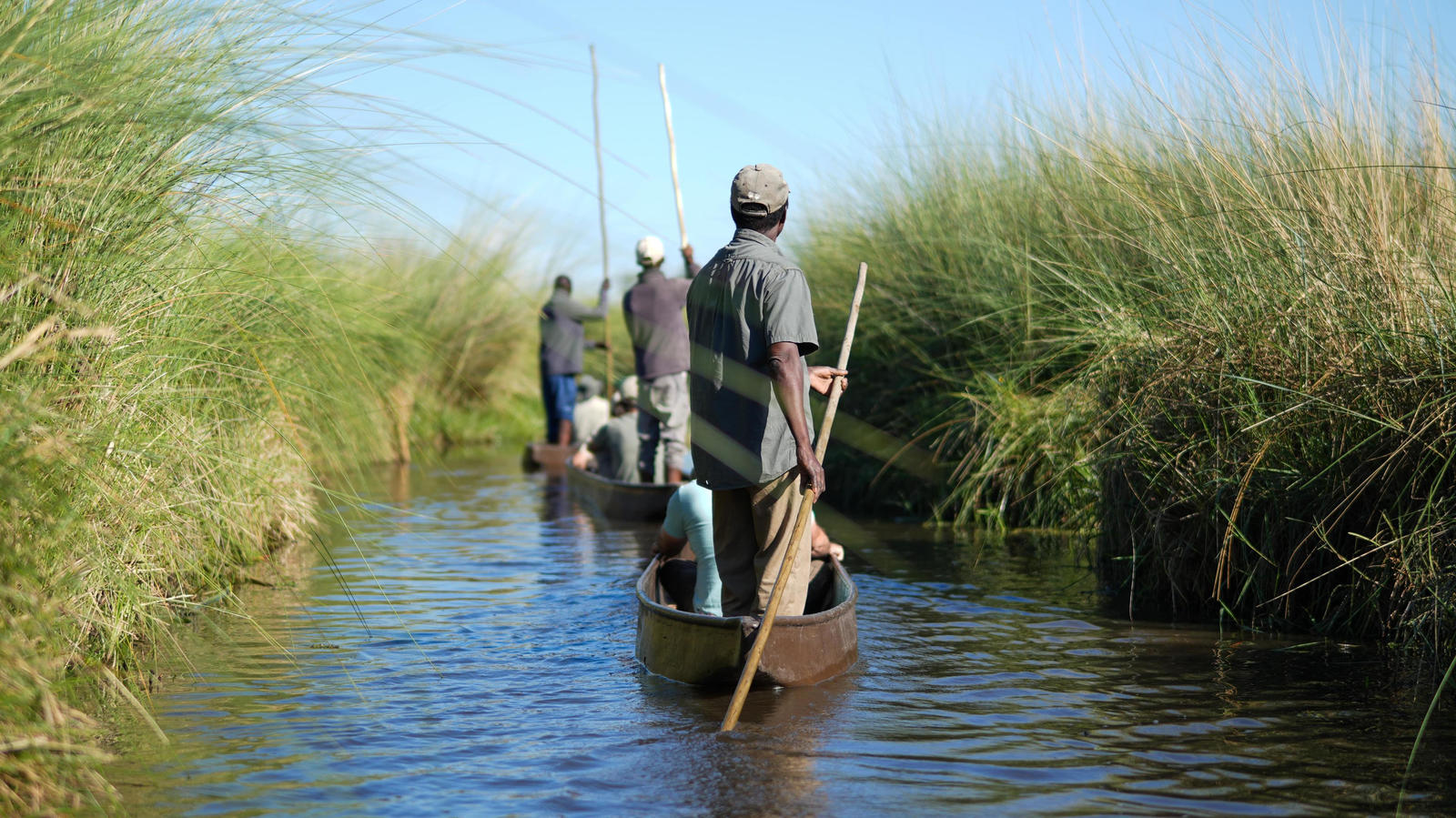
What makes the Delta different from other safari destinations is the water itself. You're not watching game from a vehicle on dusty roads. You're in a mokoro—a traditional dugout canoe—gliding through reed channels barely wider than your shoulders, moving silently past elephants standing chest-deep in lilies and hippos submerged with just their eyes showing.

The landscape shifts constantly. Islands that were dry in May are underwater by July. Channels that held water in August are walking trails by October. The floods don't just change where the water is. They change how animals move, where predators hunt, and what the entire ecosystem looks like from month to month.

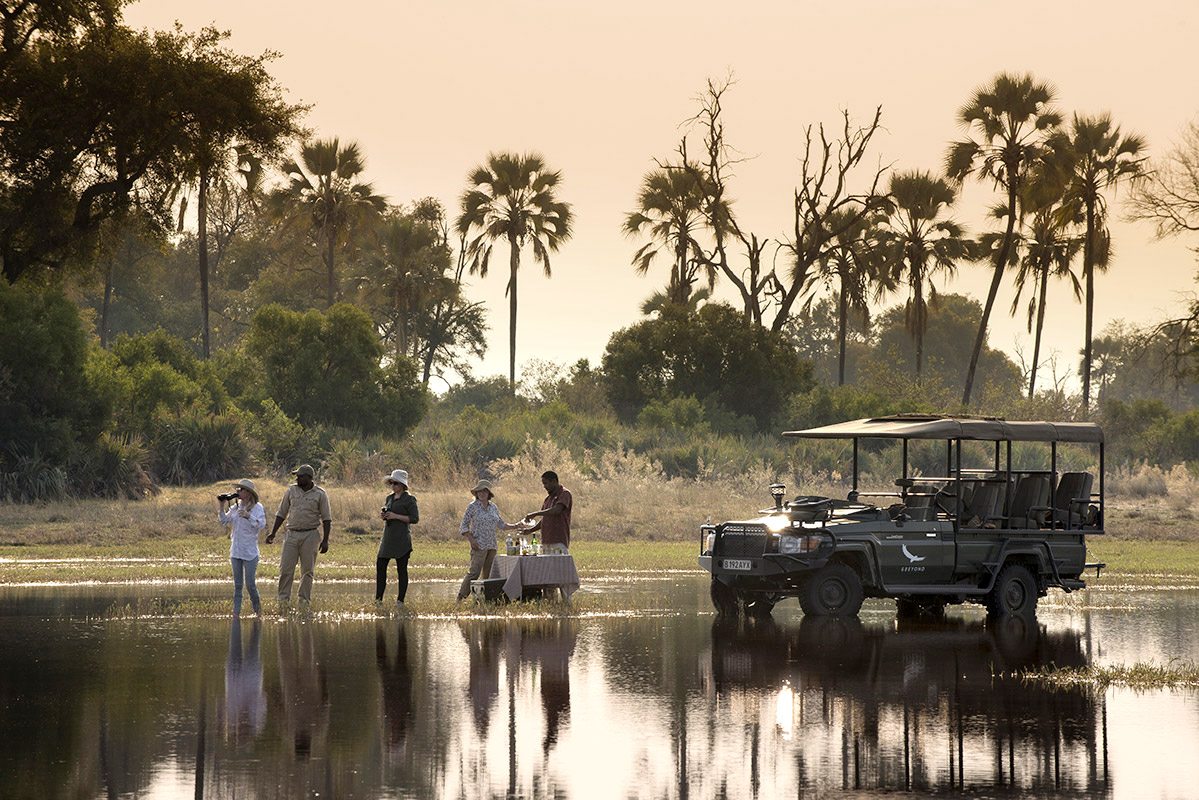
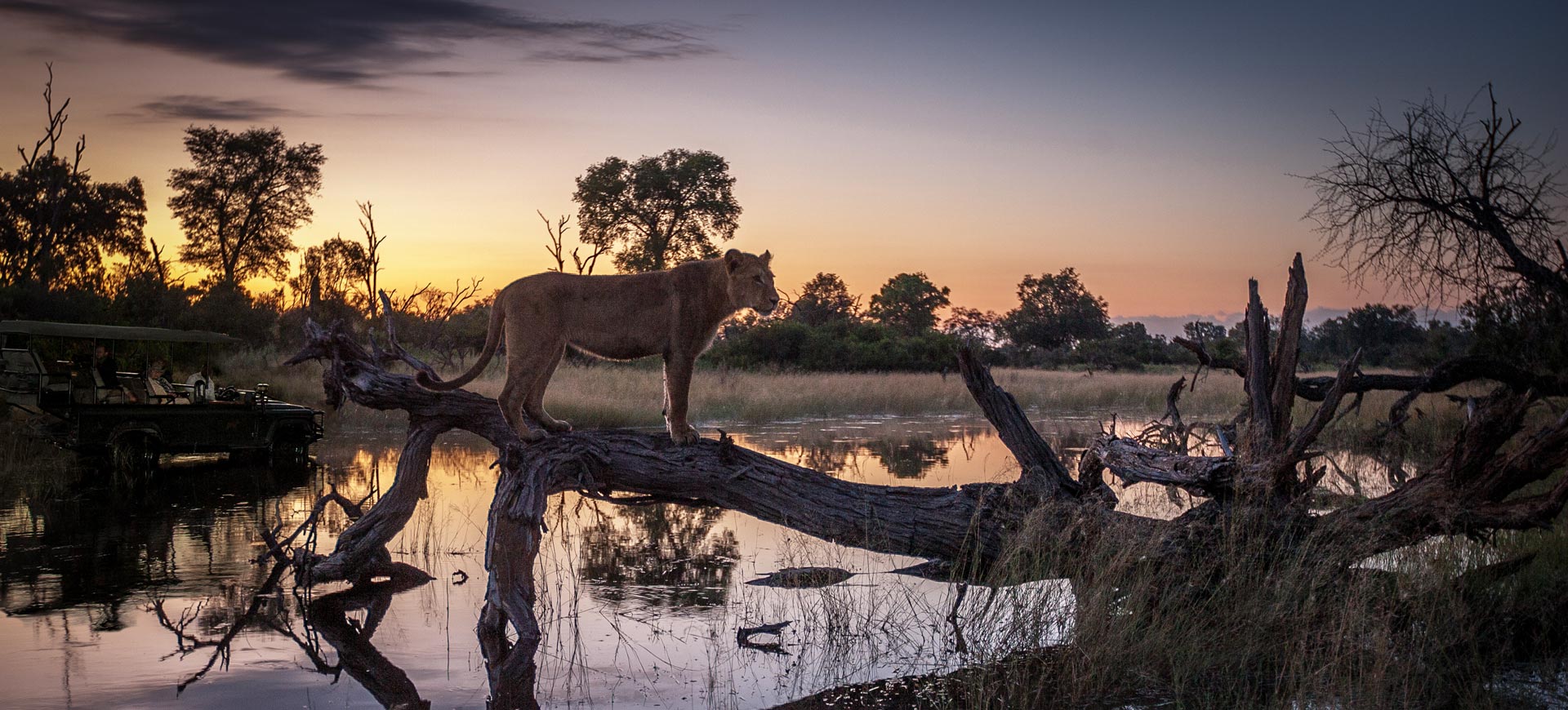
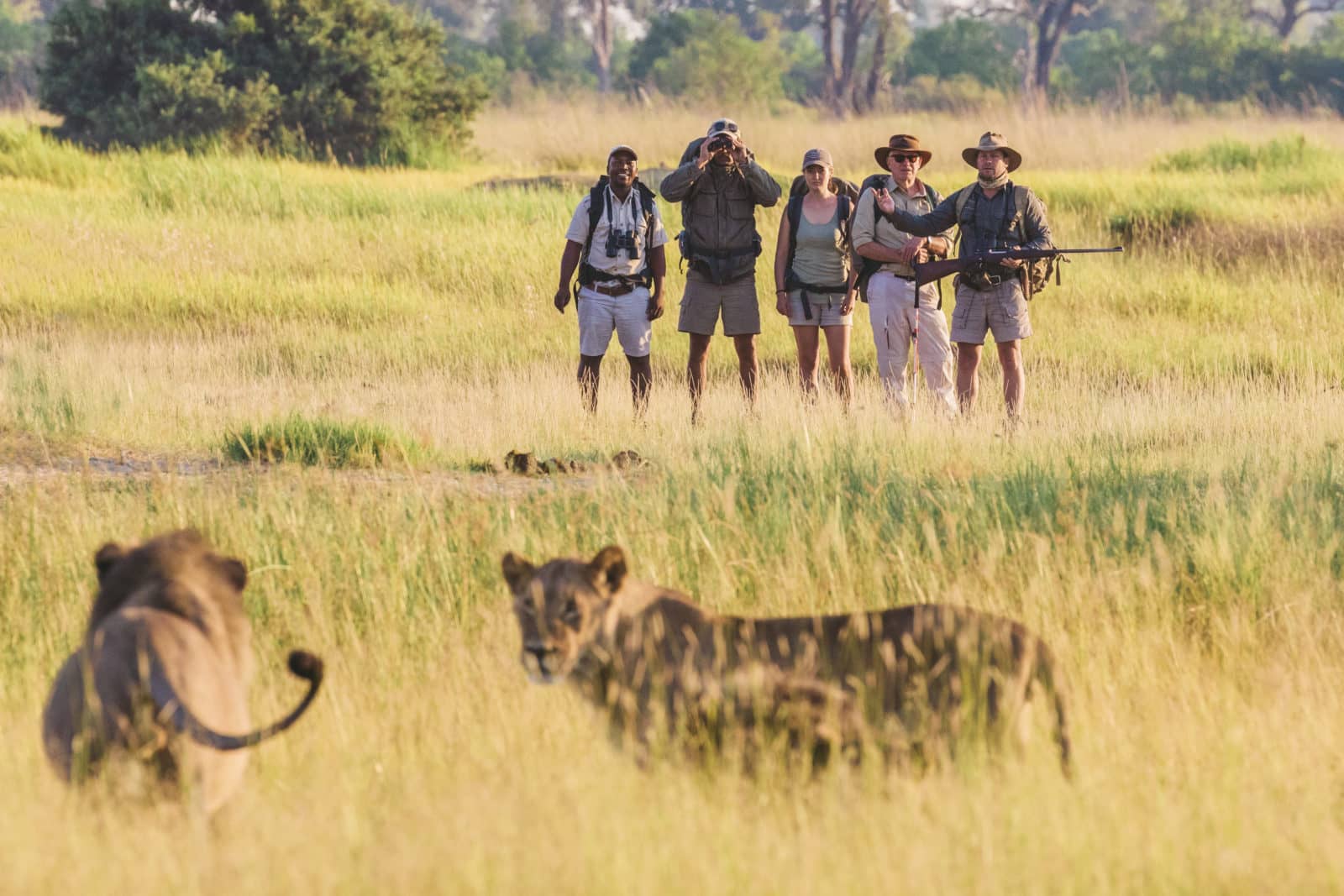
Walking safaris here feel different too. You're not on open plains. You're on islands surrounded by channels, tracking lions through palm forests or following wild dogs across floodplains with papyrus walls on either side. The sense of being in something, not just looking at it, is constant.

The Delta isn't easy to reach and it's not cheap to visit. But there's no backup option that comes close. If you want to understand what an ecosystem looks like when water dictates everything, this is where you go.
Top Safari Regions in the Okavango Delta

private slider
Moremi Game Reserve

The only protected area inside the Delta. Chiefs Island at the centre has year-round water and game. Best maintained roads but shared with other vehicles during peak season.

private slider
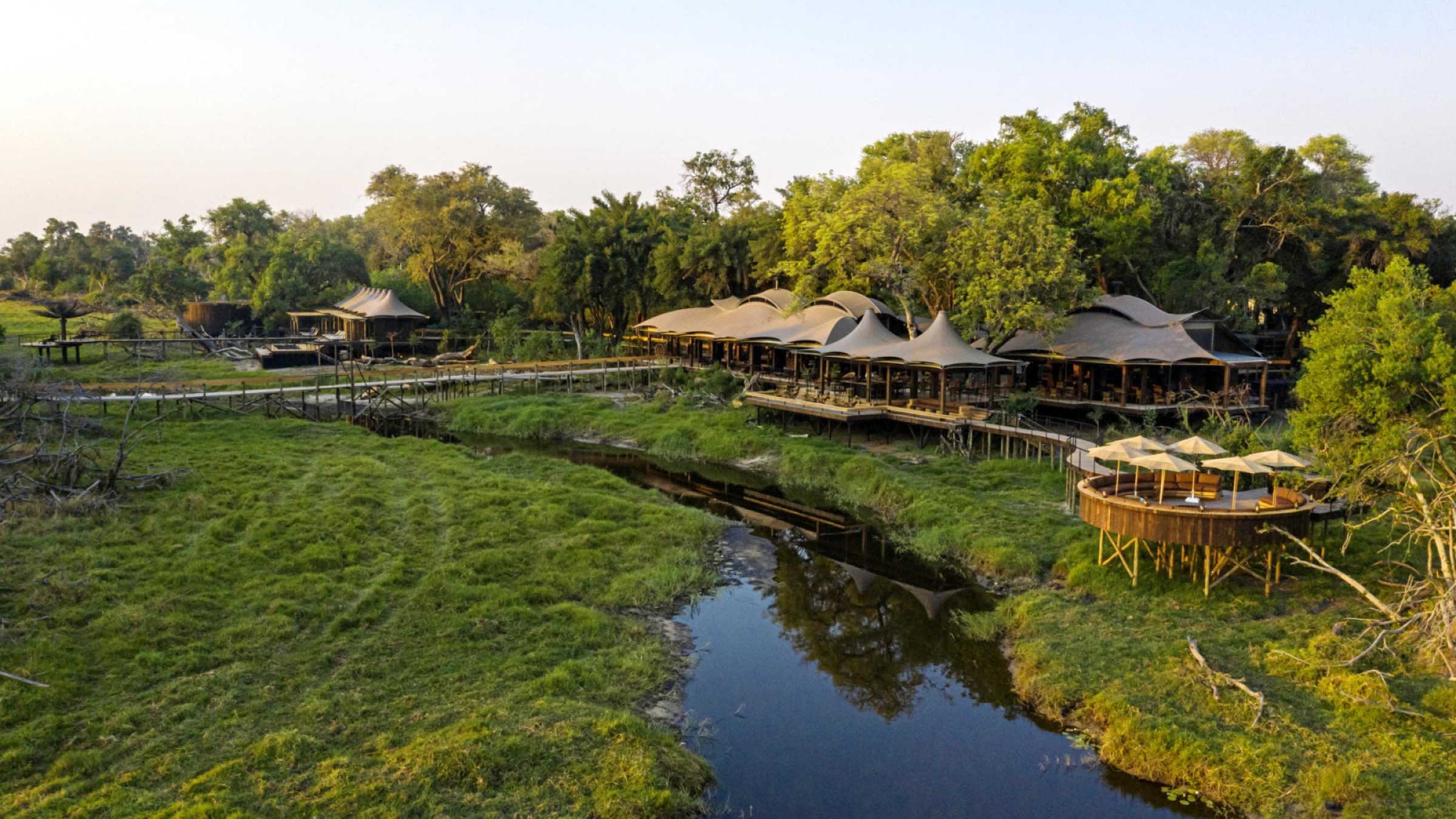
Private Concessions

Leased areas around Moremi with exclusive camps. Night drives, walking safaris, and off-road viewing allowed. Fewer vehicles, more remote, significantly higher prices.

private slider
Linyanti and Savuti

Outside the Delta but connected by seasonal channels. Linyanti has massive elephant herds. Savuti is drier with resident lion prides and occasional leopard sightings.

private slider
Panhandle

The narrow northern section where the river becomes wetland. Exceptional fishing and birdlife. Less about big game, more about the transition zone. Quieter and cheaper.

private slider
Moremi Game Reserve

The only protected area inside the Delta. Chiefs Island at the centre has year-round water and game. Best maintained roads but shared with other vehicles during peak season.

When To Visit The Okavango Delta

Water levels, wildlife movements, and weather all shift dramatically depending on the month.

img

High Water Season (June to August)

The floods have arrived from Angola. Channels that were bare sand in April are now deep enough for mokoros. Islands shrink. Animals concentrate on higher ground. This is when the Delta looks most like the photos—water everywhere, green vegetation, elephants crossing channels.

Game viewing becomes island-focused. You'll cover less distance but see more variety in smaller areas. Predators hunt on islands. Herbivores wade between feeding grounds. The whole system compresses.

It's peak season for tourism. Camps are full. Prices are highest. If you're coming in July or August, book months ahead. The trade-off for higher costs and more people is guaranteed water and the full Delta experience.

Weather is dry and cool—mid-20s Celsius during the day, dropping to single digits at night. You'll need warm layers for early morning mokoro trips.

img

Low Water Season (September to November)

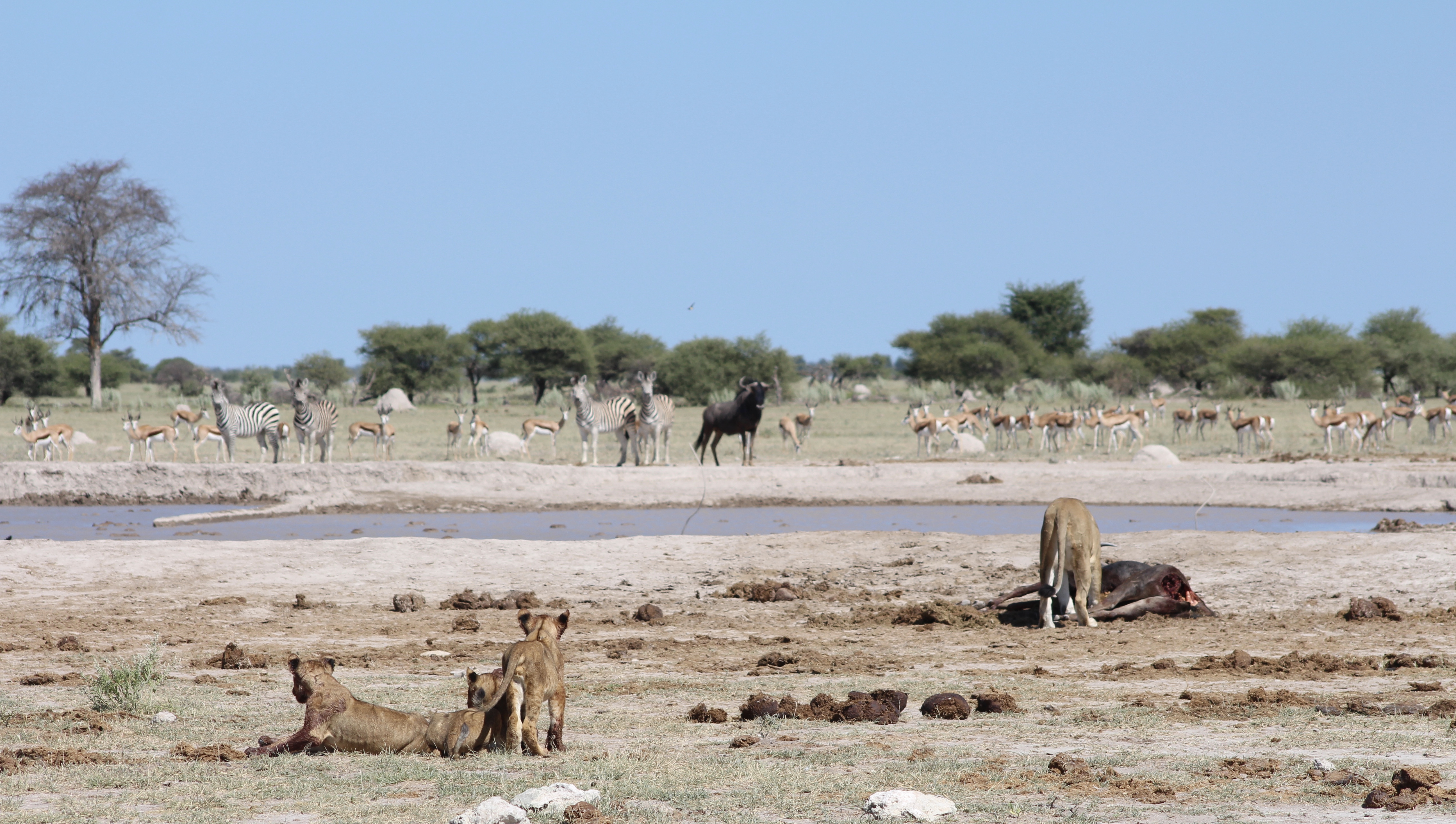
Water recedes. Channels dry up. Game viewing shifts from water-based to land-based. Animals move toward permanent rivers and lagoons, which makes them easier to find but also means more vehicles at popular spots.

This is when the Delta feels less like a wetland and more like classic African bush. You're still surrounded by the ecosystem, but you're walking and driving more than floating.

Wildlife photography improves. Less vegetation, better sight lines, animals concentrated at predictable water sources. If you're serious about getting clean shots of big cats or elephants, this is your window.

Weather heats up. September is manageable. October and November get genuinely hot—mid-30s Celsius, sometimes higher. Afternoon shade becomes essential. But the heat also means fewer tourists and lower prices.

img

Green Season (December to March)

The rains arrive. The Delta transforms again—lush, dramatic, hot, humid. This is birth season for antelope, which means predator activity spikes. Lions, leopards, and wild dogs are hunting constantly.

Birdlife explodes. Migrants arrive from Europe and northern Africa. Carmine bee-eaters nest in riverbanks. Kingfishers and herons work the shallows. If you care about birds, this is the only season that matters.

Afternoon thunderstorms are near-daily. They're brief but spectacular—massive cloud formations, lightning over the floodplains, and that specific smell of rain hitting dry ground. Photography during storm light is exceptional.

It's low season for a reason. Heat and humidity are oppressive. Some camps close entirely. But prices drop significantly, and you'll have the Delta largely to yourself. If you can handle the weather, the value and the lack of crowds make it worth considering.

img

Shoulder Season (April to May)

Rains finish. Temperatures drop. Water levels start rising but haven't peaked yet. This is the window locals prefer—comfortable weather, decent water for mokoros, good game viewing, and half the tourists of peak season.

You get a bit of everything. Some channels have water, some don't. You can mokoro in the morning and drive in the afternoon. Wildlife hasn't fully concentrated yet, so there's more ground to cover, but the variety is excellent.

Camps are quieter. Guides are less rushed. You're more likely to have sightings to yourself. And because it's technically shoulder season, pricing sits between peak and low season—better value than July but more expensive than January.

If you want the Delta experience without peak season crowds or green season heat, this is the compromise that works.

Experiences Unique to the Okavango Delta

-

private slider
Mokoro Safaris

Traditional dugout canoes poled through narrow channels. Silent and intimate at water level. Works best during high water season when channels are deep enough to navigate.

private slider
Walking Safaris

Track animals on foot with a guide through Delta islands. Slower and more intense when you encounter buffalo or elephant at fifty metres with no vehicle to retreat to.

private slider
Fly Camping

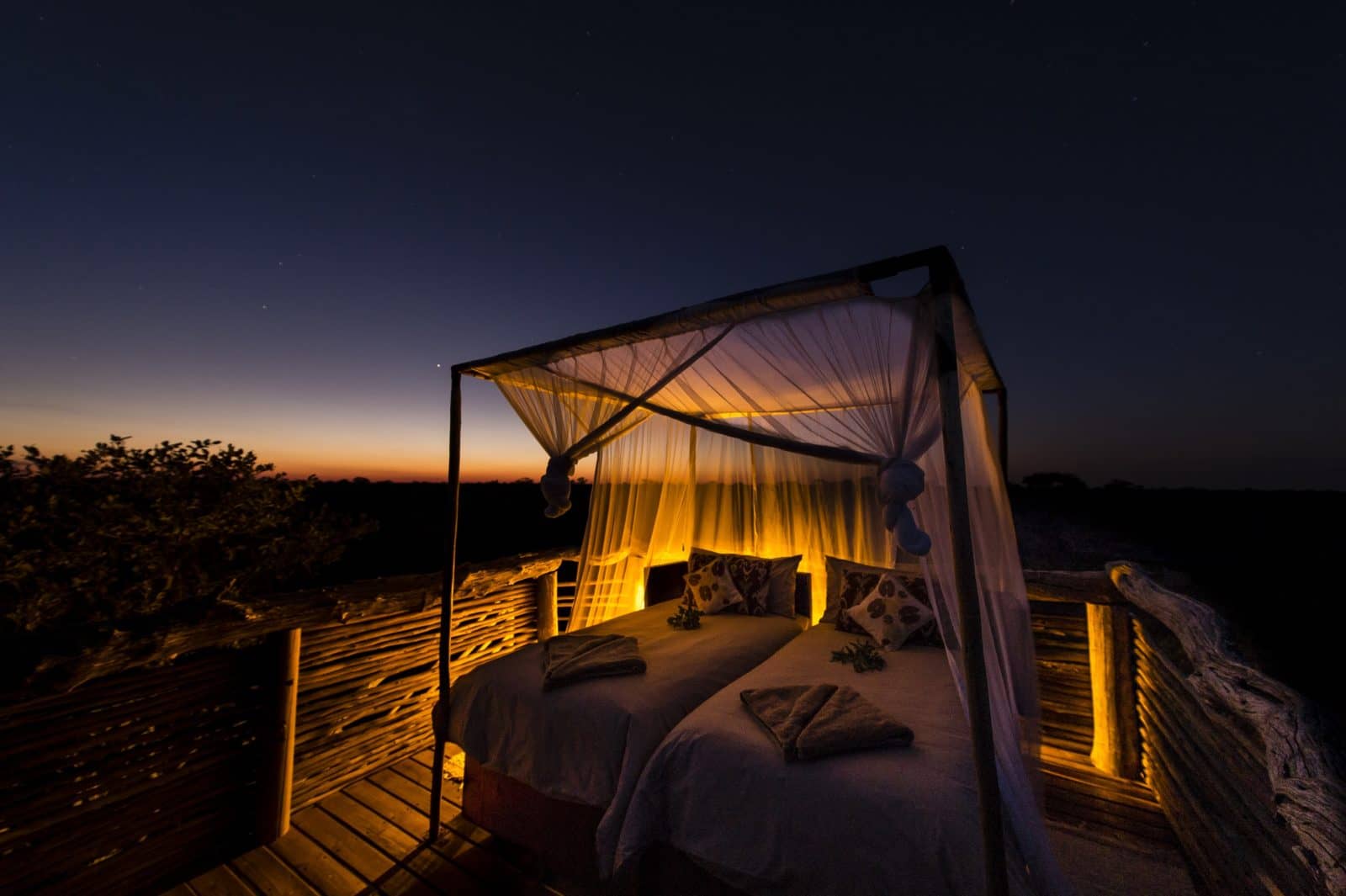
Sleep on islands under mosquito nets with basic camps—bedrolls, campfire, bucket shower. Deeply immersive in places vehicles can't reach. Not luxury, but unforgettable.

private slider
Night Drives

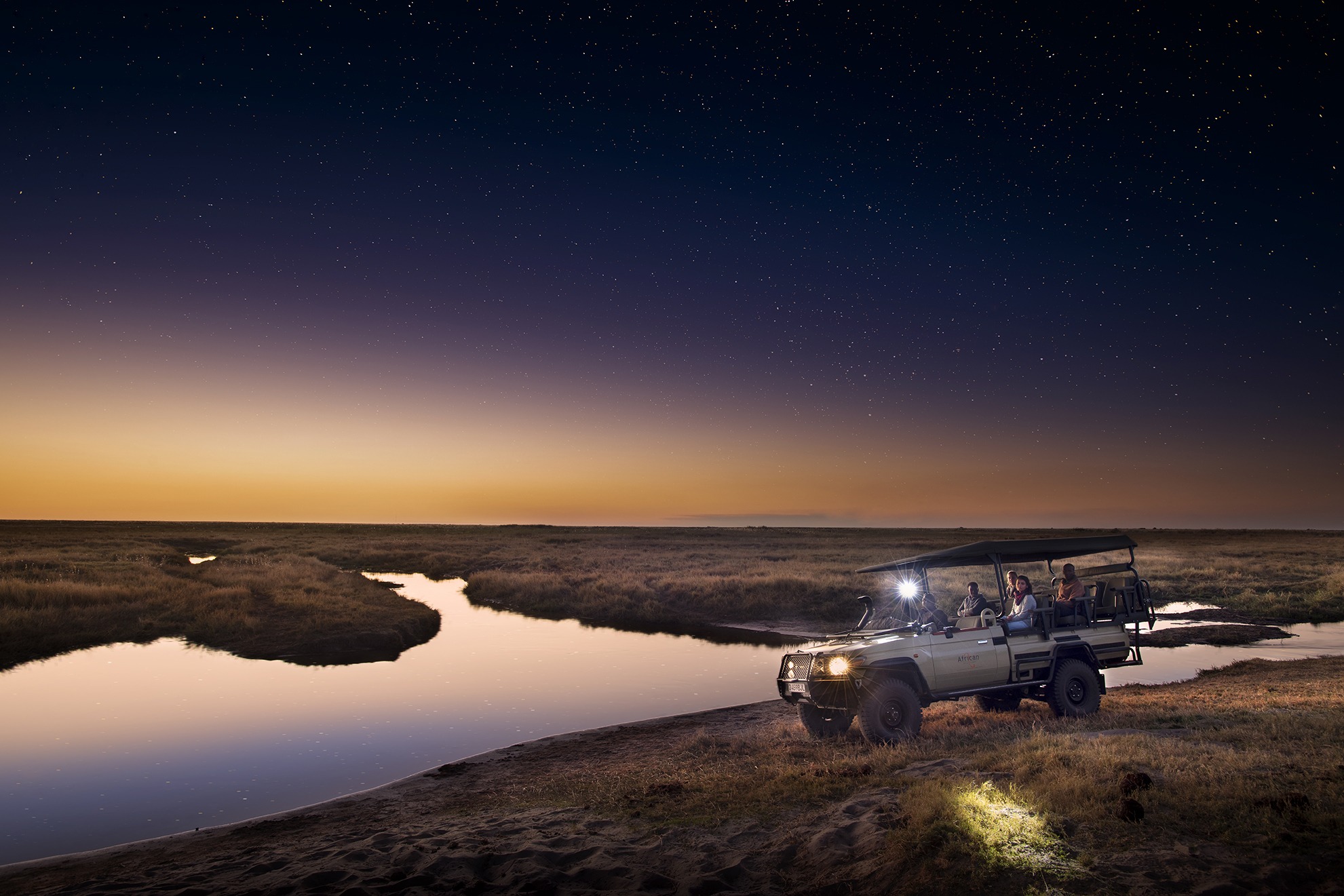
Only in private concessions. Spotlighting reveals leopards hunting, hyenas on the move, and genets working the undergrowth. Best predator sightings often happen after sunset.

private slider
Fishing

Panhandle and permanent channels hold tiger fish, bream, and catfish. Catch and release. About spending time on the water in a different way, understanding the system from another angle.

Frequently Asked Questions

Q: When is the best time to visit the Delta?

Arrow

A: Depends what you prioritise. High water season (June to August) offers the full mokoro experience and peak wildlife concentration but also peak prices and crowds. Low water (September to November) is better for traditional game viewing and photography. Green season (December to March) is hot and wet but spectacular for birds and predator activity. Shoulder months (April to May) balance everything—decent water, good game, fewer people.

Q: How do you get to the Okavango Delta?

Arrow

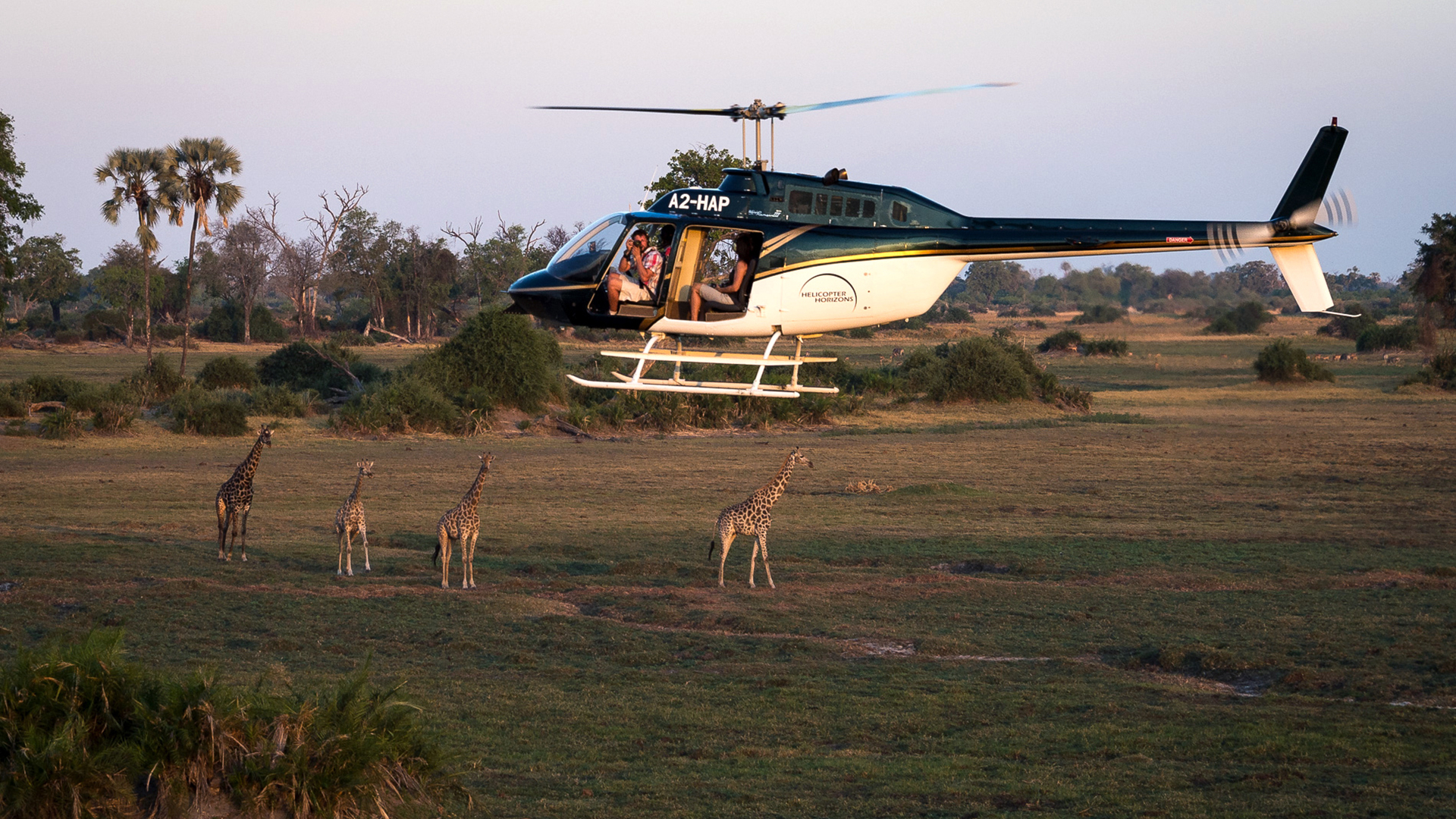
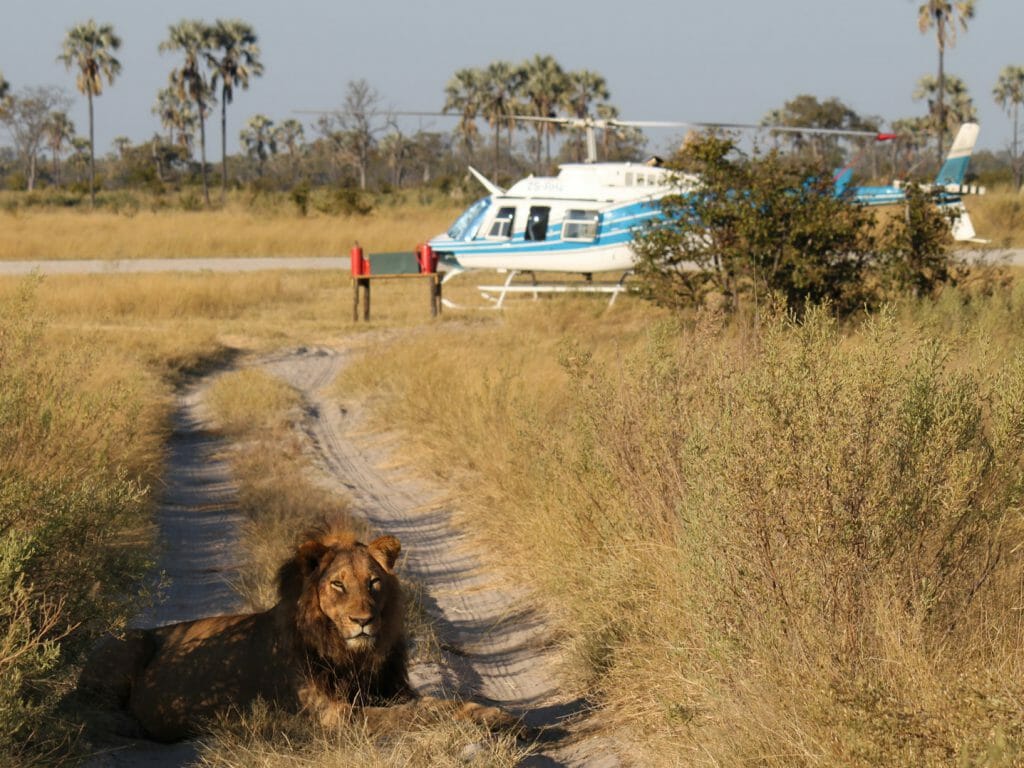
A: Fly into Maun, the gateway town, then take a light aircraft to your camp. Most Delta camps are fly-in only—there are no roads. The flights are short, usually 20 to 40 minutes, and they're part of the experience. You're flying low over channels and islands, often spotting game from the air. Some camps in the eastern Delta or Panhandle are accessible by road, but the remote ones require planes.

Q: Is the Delta malaria-free?

Arrow

A: No. The Okavango is a malarial area year-round. Prophylaxis is recommended. Camps use nets, insect repellent, and long sleeves at dusk, but the risk is real. Consult your doctor about which antimalarial makes sense for your trip length and health profile.

Q: What's the difference between Moremi and the private concessions?

Arrow

A: Moremi is a public game reserve with maintained roads, set safari hours, and restrictions on off-road driving, walking, and night drives. Private concessions allow all of those activities, offer more exclusivity (fewer camps and vehicles), but cost significantly more. Moremi delivers excellent game viewing at lower cost. Concessions deliver flexibility and solitude at premium pricing.

Q: Do I need previous mokoro experience?

Arrow

A: No. Guides pole the mokoro from the back. You sit low in the boat and don't need to do anything except stay balanced. If you can sit still for an hour, you can do a mokoro trip. It's not physically demanding. It's just slow and quiet, which some people find meditative and others find boring.

Q: What should I pack for the Delta?

Arrow

A: Neutral-coloured clothing (greens, browns, khaki), long sleeves for sun and insects, a wide-brimmed hat, good sunglasses, serious sunscreen, insect repellent, binoculars, and a camera with a decent zoom. Camps provide most gear, but personal comfort items—favourite bug spray, specific sunscreen, prescription medications—should come with you. Baggage limits on light aircraft are strict, usually 15-20kg in soft bags.

Q: Are the camps really that remote?

Arrow

A: Yes. Many Delta camps have no road access, no cell signal, and limited electricity (solar or generator-based). Communication happens via satellite or radio. Medical emergencies require evacuation by plane. If you need constant connectivity or immediate access to medical facilities, the remote camps aren't ideal. But that remoteness is also why the experience feels so untouched.

Q: Can families visit the Delta?

Arrow

A: Some camps accept children, usually from age six or eight upwards. Others are adults-only due to safety concerns around water, wildlife, and mokoro trips. If you're travelling with kids, filter for family-friendly camps and confirm age policies before booking. The Delta can be incredible for older children who can handle the pace and listen to safety instructions, but it's not suitable for toddlers.

img

Tuskari’s Impact in Okavango Delta

Every safari booked through Tuskari supports community conservancies that employ local guides, fund anti-poaching units, and provide education programs in Delta communities. We work exclusively with operators who demonstrate genuine commitment to conservation and community benefit — ensuring your visit contributes to the long-term protection of this UNESCO World Heritage site. The Delta's future depends on tourism that values both wildlife and the communities who are its traditional guardians.

View Trips in Okavango Delta