bannerimg

Masai Mara National Reserve

Where the migration crosses and big cats rule the plains.

Why Visit Masai Mara?

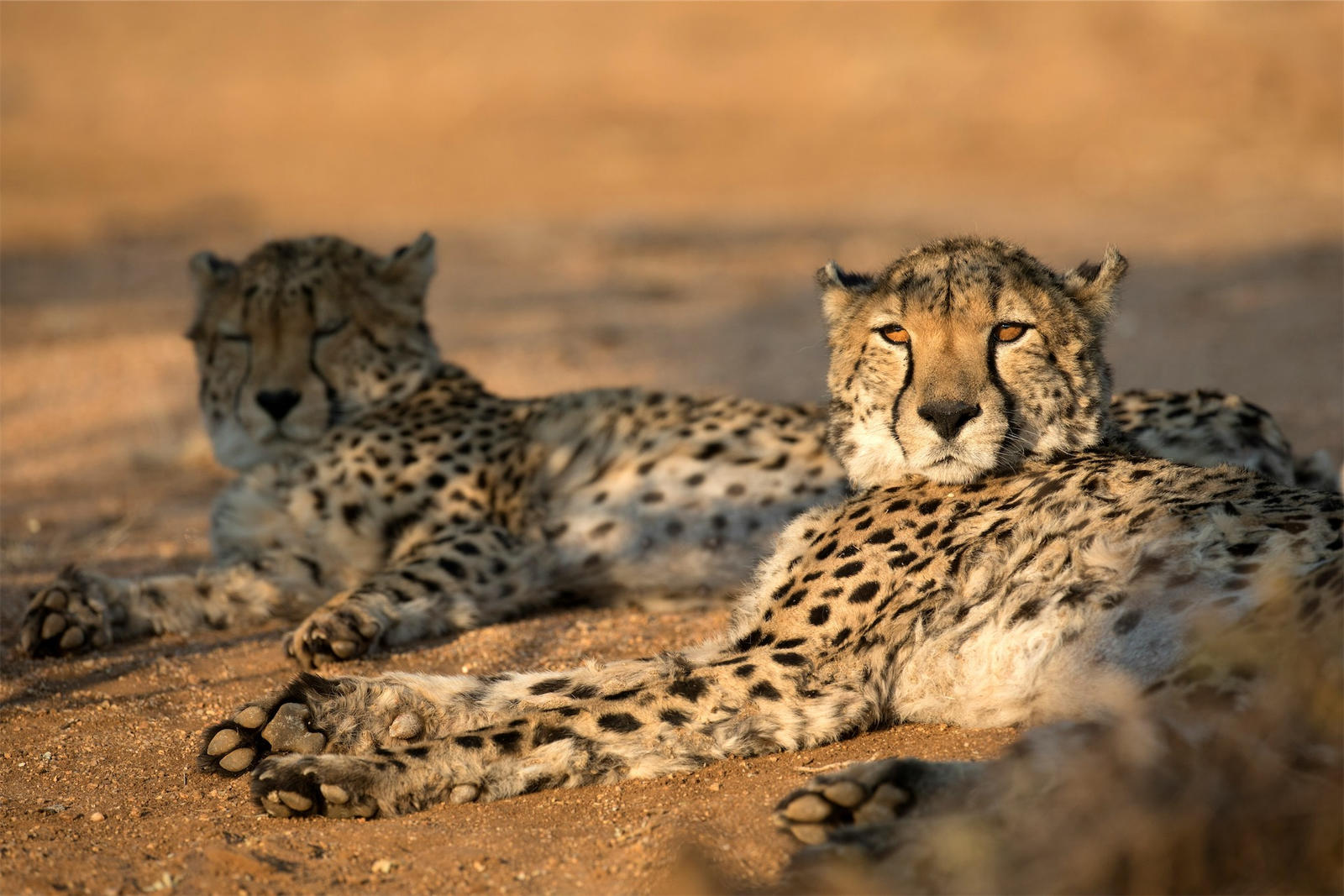
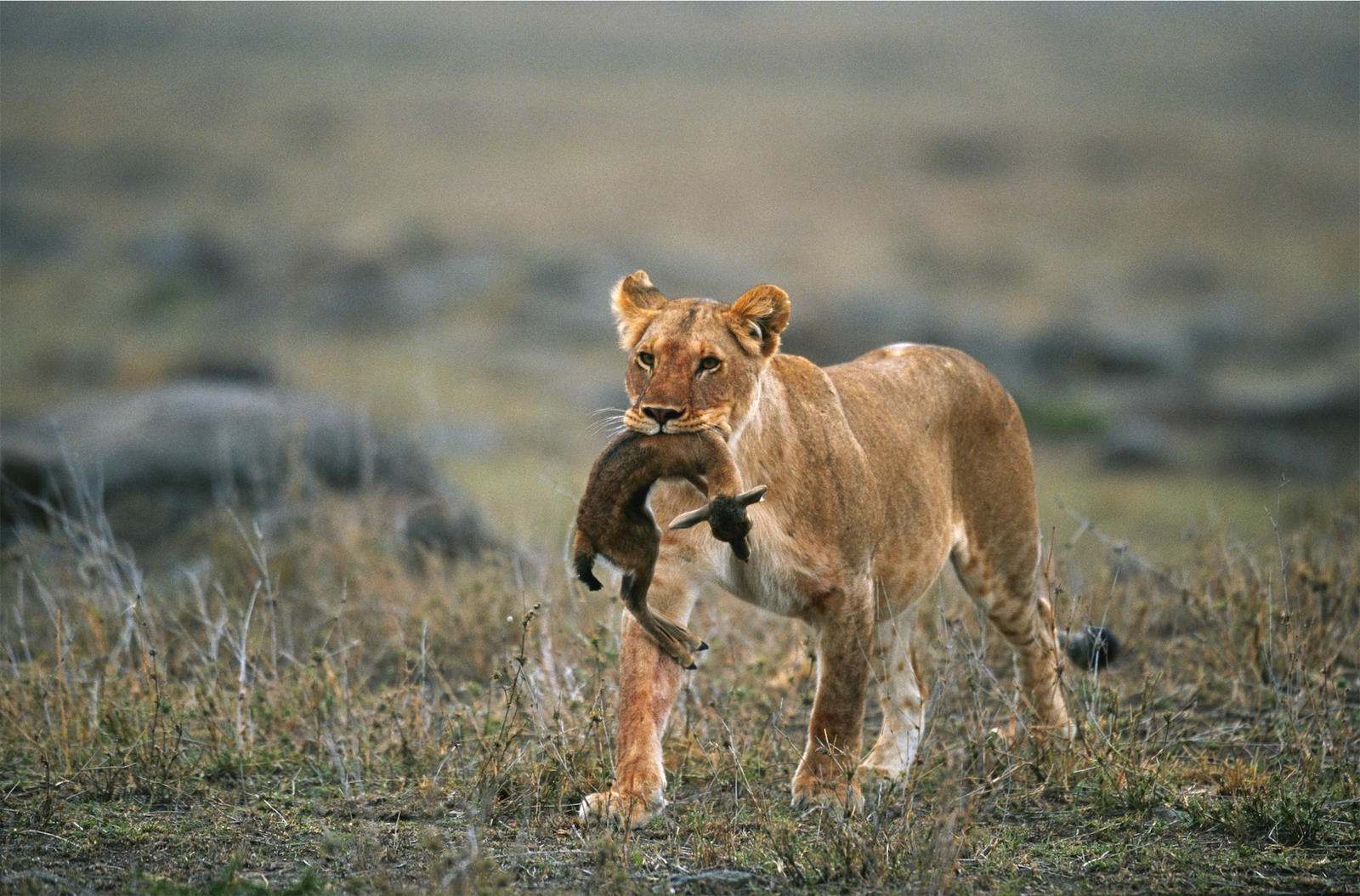
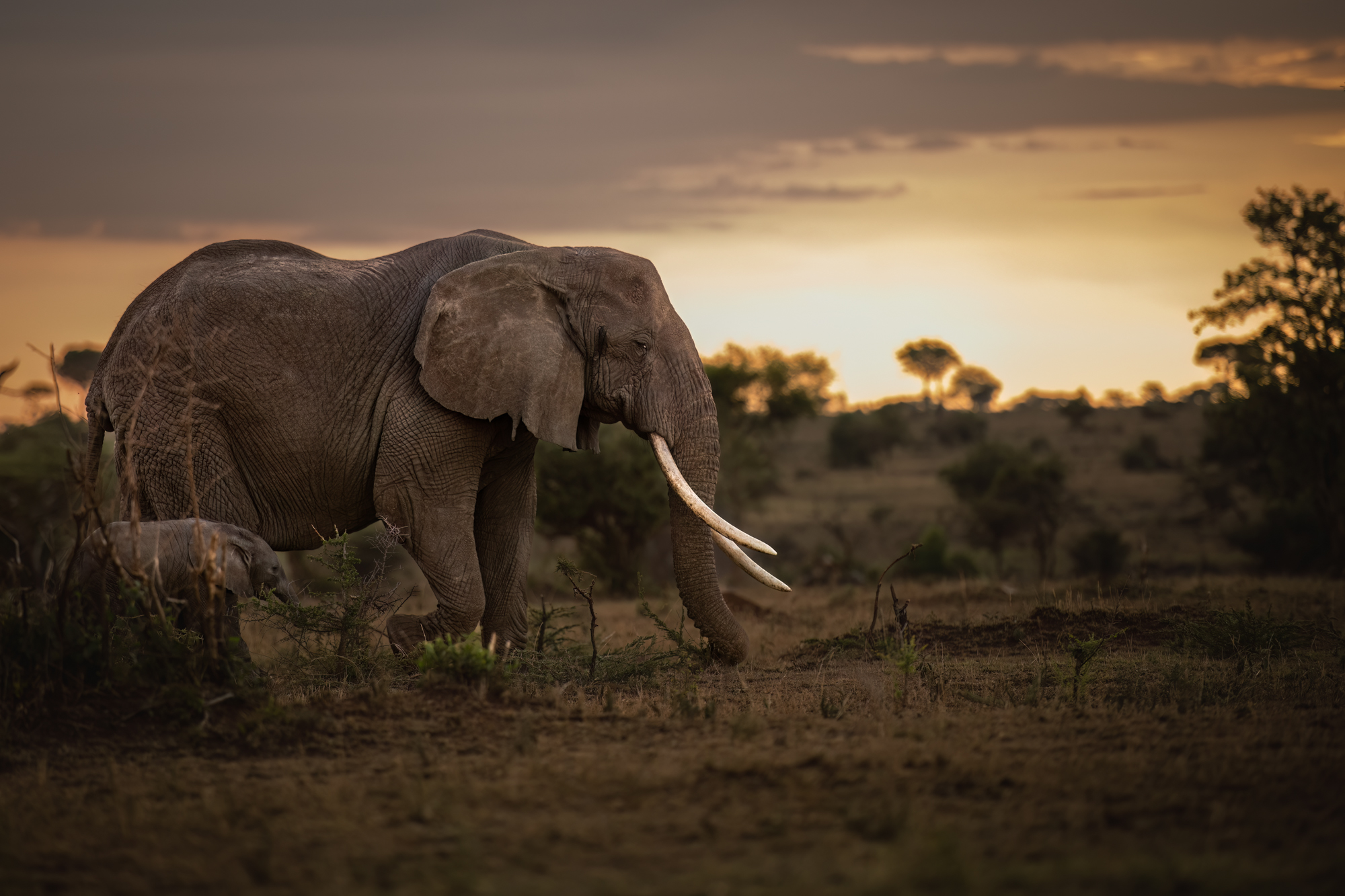
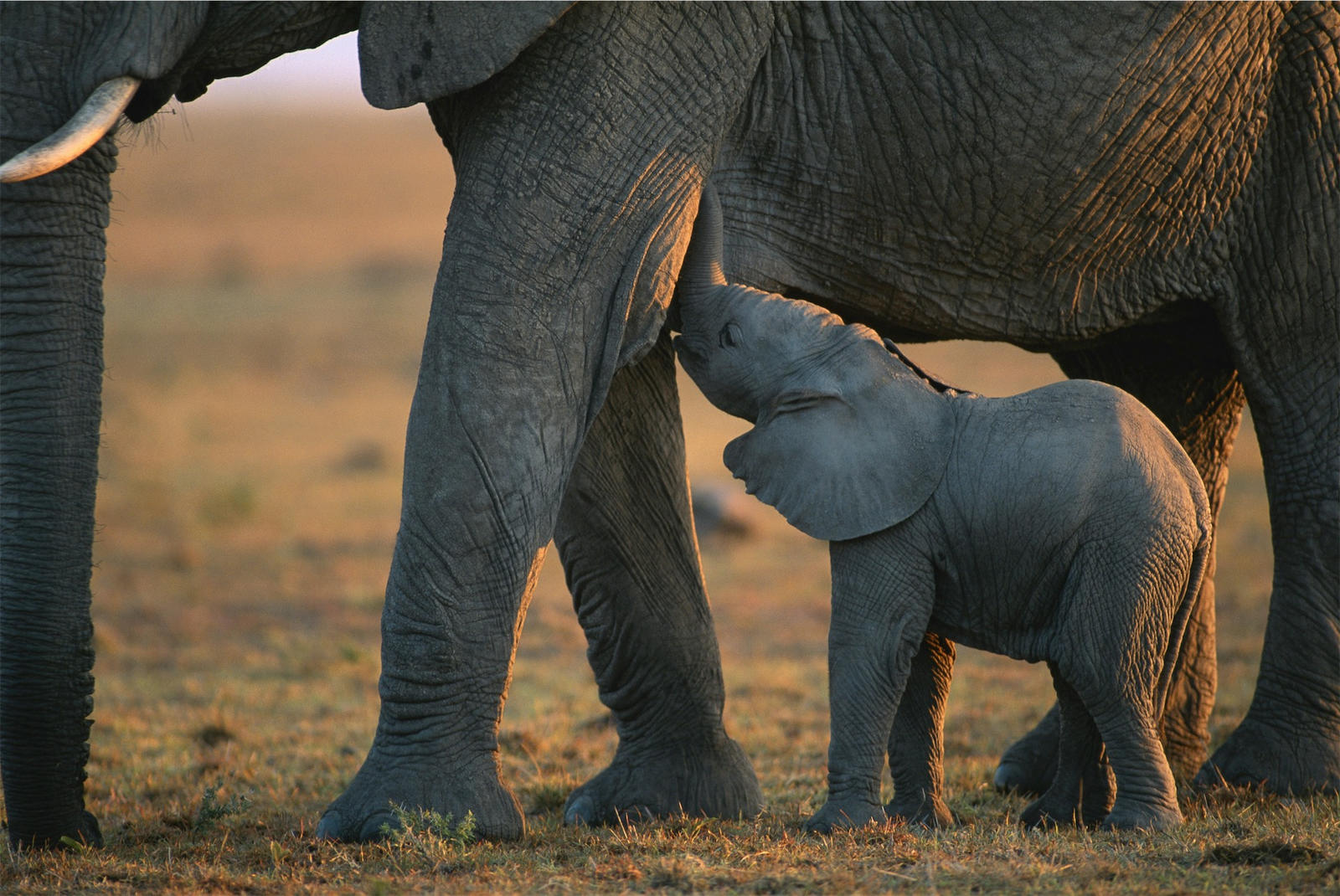
The Masai Mara is Kenya's most famous wildlife reserve and one of Africa's most reliable safari destinations. At 1,510 square kilometres, it's not huge by African standards, but what it lacks in size it makes up for in wildlife density. This is Big Five country with exceptional predator populations - lions, leopards, and cheetahs thrive here alongside massive herds of elephants, buffalo, and plains game.

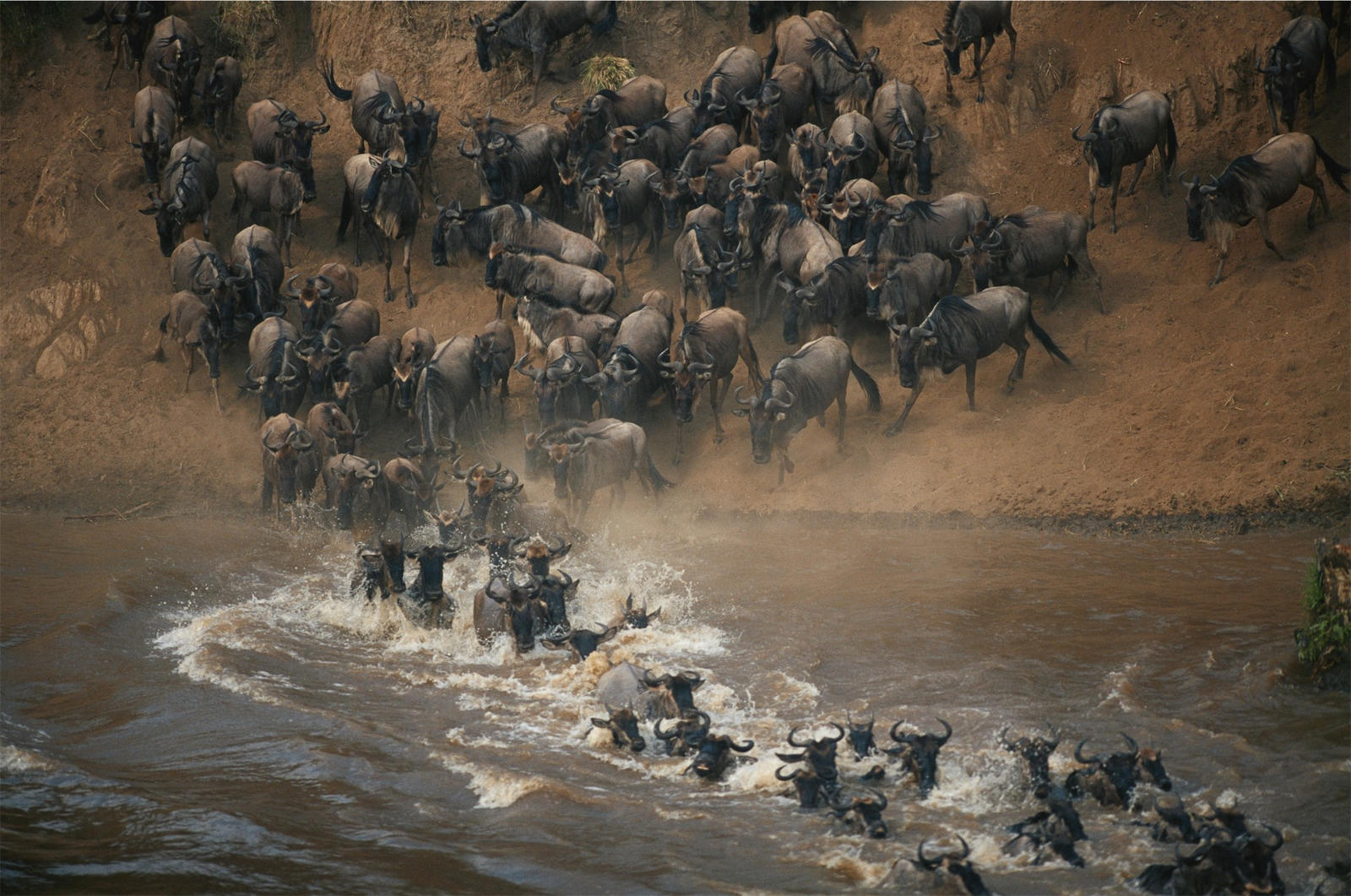
The Mara is the northern extension of Tanzania's Serengeti ecosystem. The wildebeest migration moves through here August through October, creating the famous Mara River crossings - dramatic, chaotic, and heavily photographed. But the Mara delivers excellent game viewing year-round, not just during migration months. Resident wildlife populations remain strong even when the herds move south.

Beyond the main reserve, the Mara's private conservancies have transformed safari experiences here. These community-owned lands bordering the reserve offer exclusive access, off-road driving, night drives, and walking safaris - activities restricted in the main reserve. Conservancies like Olare Motorogi, Mara Naboisho, and Mara North provide genuine wilderness immersion with far fewer vehicles than the reserve itself.

Access is straightforward. Fly into Nairobi, then take a light aircraft to one of the Mara's airstrips (45 minutes) or drive (5-6 hours on rough roads). Most visitors fly. The Mara has exceptional lodge infrastructure at every price point, from budget camps near the reserve gates to ultra-luxury properties deep in exclusive conservancies.

The Mara can get crowded, especially at river crossings during peak migration. But stay in conservancies, visit outside July-October, or simply accept that shared sightings are part of experiencing Africa's most concentrated wildlife theater.
Top Safari Regions In Masai Mara

private slider
Main Reserve (Mara Triangle and Narok County sections)

The official national reserve with highest wildlife density. Excellent year-round game viewing. Can get crowded at popular sightings, especially migration season. Vehicles restricted to roads, no night drives, no walking. Good for budget safaris and guaranteed wildlife encounters.

private slider
Olare Motorogi Conservancy

One of the best conservancies. Exclusive vehicle access, excellent predator populations, stunning landscapes. Off-road driving to follow hunts. Night drives permitted. Higher prices but exceptional quality and exclusivity.

private slider
Mara Naboisho Conservancy

Large conservancy with diverse terrain. Good balance of wildlife density and space. Several lodges operate here so slightly busier than Olare but still quiet compared to main reserve. Excellent for photographers wanting flexibility.

private slider
Mara North Conservancy

Premium conservancy with strict vehicle limits. Very exclusive feel. Strong lion and leopard populations. Beautiful riverine areas. Limited lodge options keep it quiet. High-end pricing.

private slider
Ol Kinyei and Motorogi Conservancies

Smaller, lesser-known conservancies. Quieter than the big names. Good wildlife but less infrastructure. Better for repeat visitors wanting new territory.

When To Visit Masai Mara

Timing determines what you'll experience. The Mara delivers year-round, but seasons are distinct.

img

Peak Migration Season (July To October)


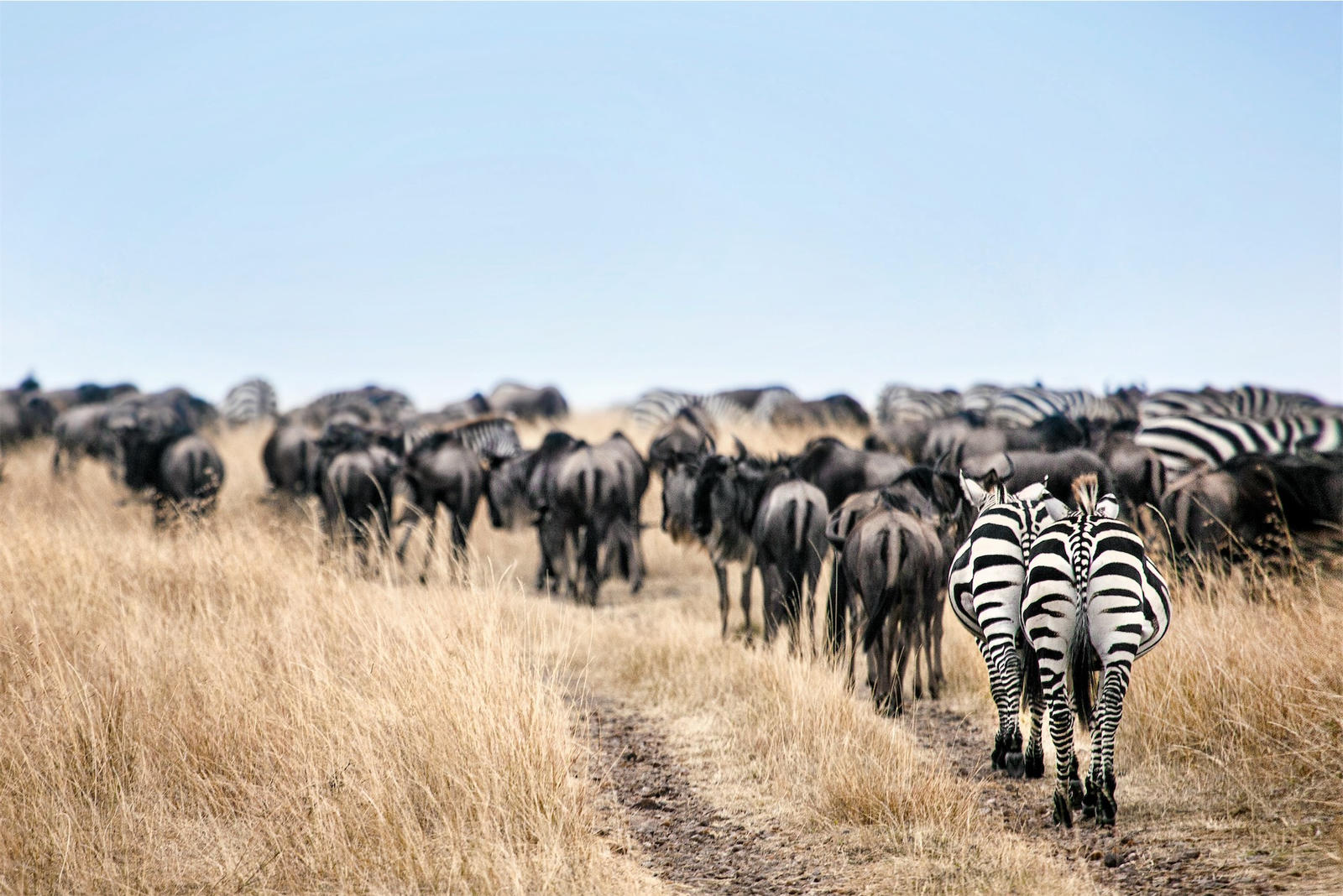
The wildebeest are here. Roughly 1.5 million wildebeest plus hundreds of thousands of zebra and gazelle concentrate in the Mara, having migrated north from Tanzania's Serengeti. This is when famous Mara River crossings happen.

July-August: Migration herds arrive. Crossings begin but are unpredictable. Wildlife density extraordinary. September: Peak crossing month typically. Herds fully established. River crossings frequent but never guaranteed. Busiest month - expect crowds. October: Herds begin moving south. Still excellent early month.

Incredible wildlife density. Crossings are dramatic - chaos, crocodiles, thousands of animals plunging into water. But unpredictable timing means you might wait hours and see nothing, or witness 2,000 wildebeest cross in 20 minutes. Predator action intensifies.

Lodges book months ahead. Prices peak. Vehicle congestion at crossings can be overwhelming in main reserve. Conservancies solve this but cost more.

img

Calving and Resident Wildlife Season (November To June)


Migration herds are gone, back in Tanzania. But the Mara doesn't empty. Resident wildlife remains excellent - lions, leopards, elephants, buffalo, giraffe stay year-round.

November-December: Short rains, landscape greens beautifully. Excellent game viewing without crowds. Shoulder-season discounts. January-March: Long dry spell, hot and dusty but superb predator viewing. Fewer tourists, serious safari-goers visit now. April-May: Long rains, genuine low season. Roads muddy, some camps close. Landscape lush, green, dramatic. Newborn animals everywhere. Cheapest rates - sometimes 40-50% off. June: Transition month, rains taper off. Migration herds arrive late month.

Quieter, intimate experiences. No crossing drama but predators active. Lions hunting, leopards in trees, cheetahs visible. Photography better - less congestion, better positioning.

Significantly cheaper. More availability. Conservancies feel genuinely exclusive.

Experiences Unique To Masai Mara

.

private slider
Mara River Crossings

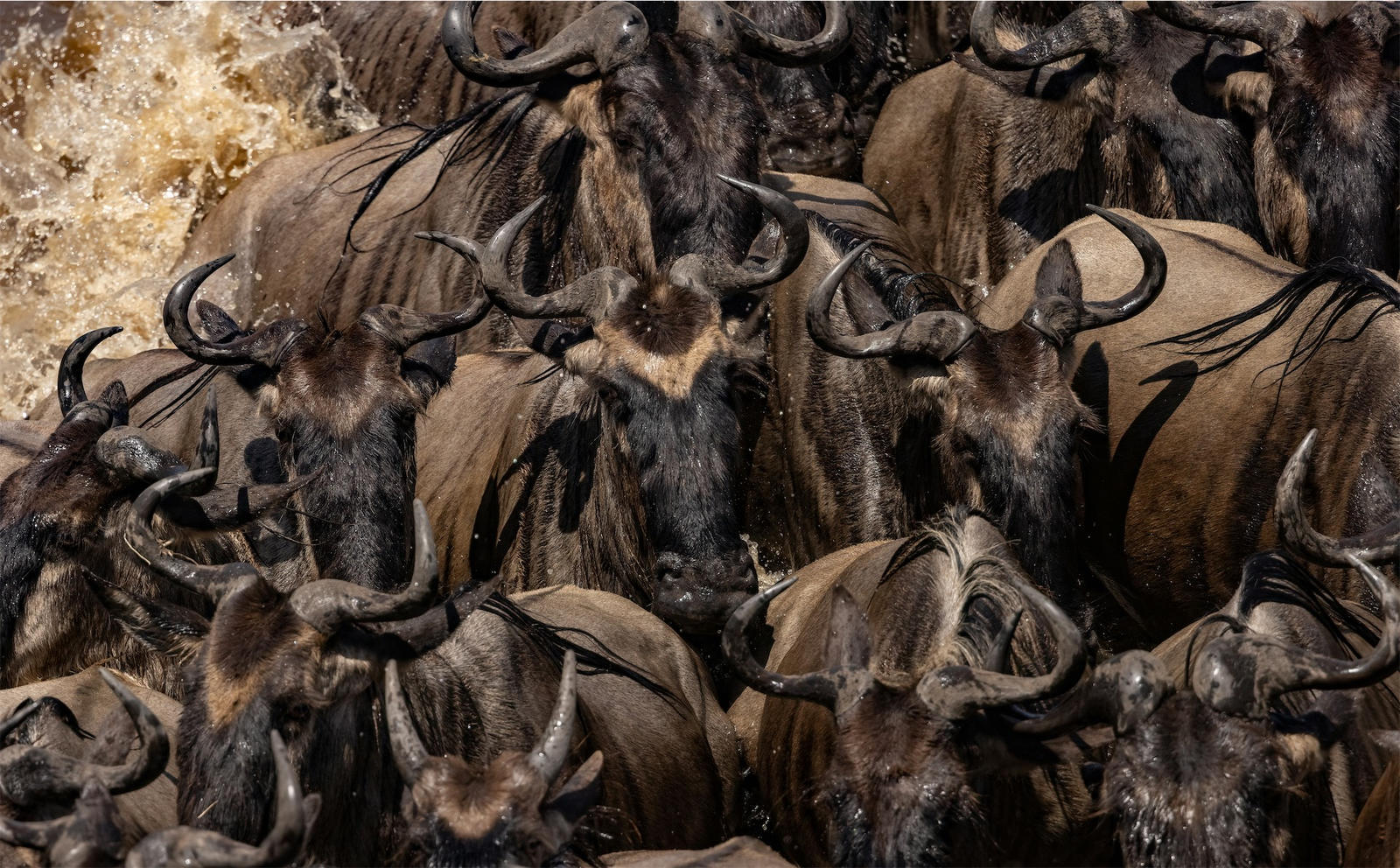
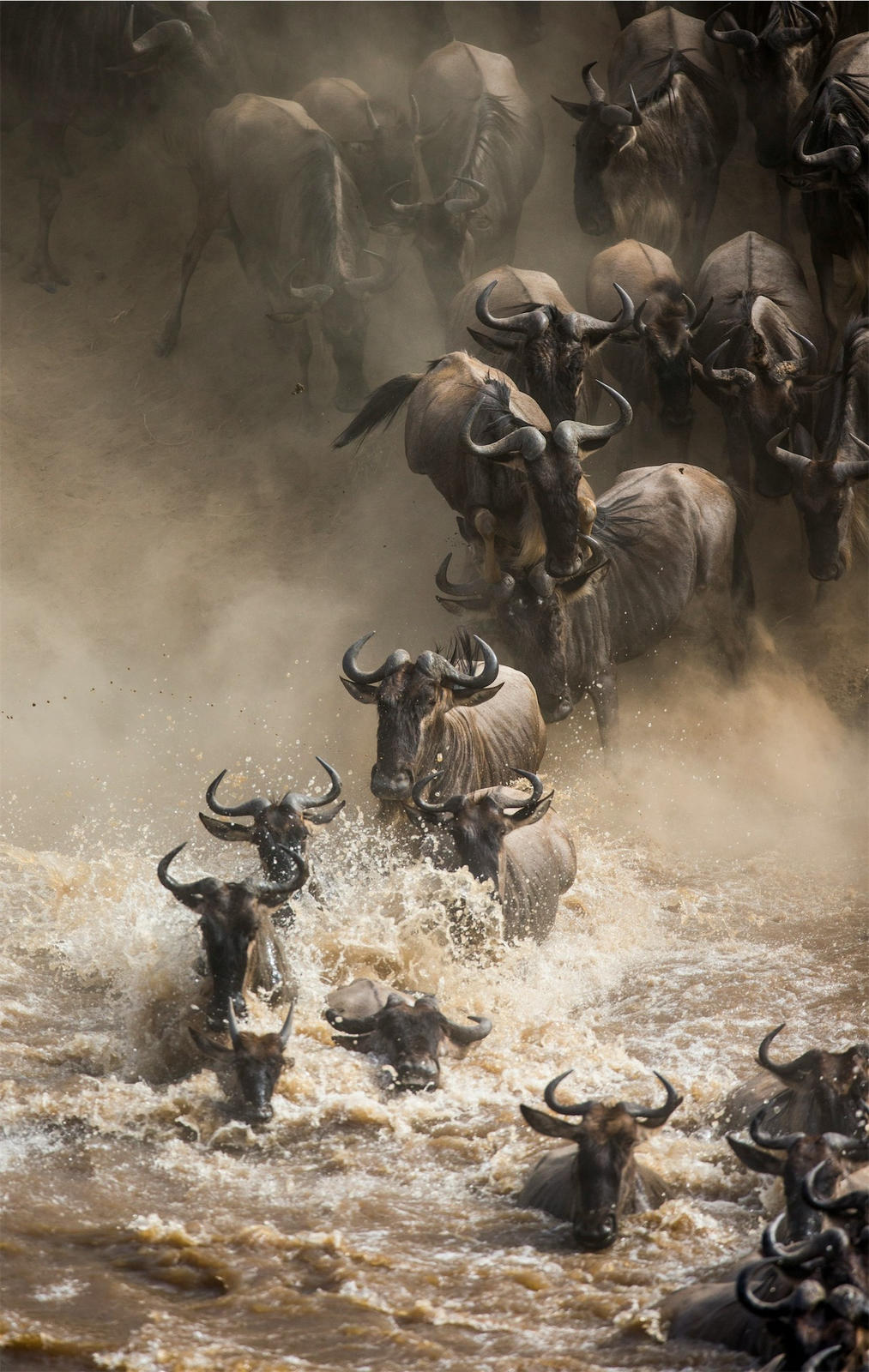
The wildebeest migration's most dramatic moment. Thousands of animals plunge into crocodile-infested waters, driven by instinct and pressure from the herd. Unpredictable timing - crossings happen when they happen. Peak months July-September. Genuinely spectacular but expect crowds in main reserve.

private slider
Hot Air Balloon Safaris

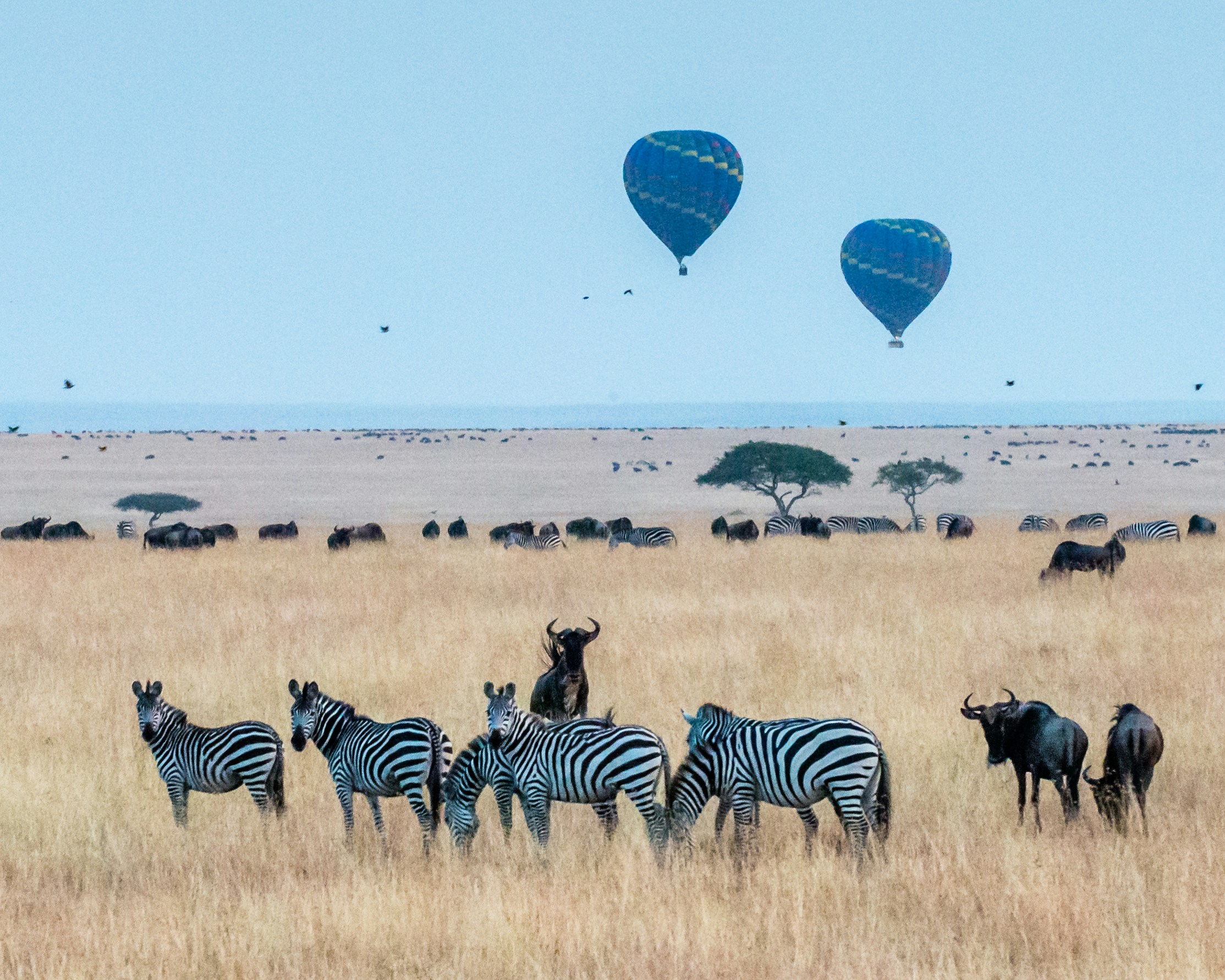
Float over the Mara at dawn watching wildlife from above. Expensive (around $450-550 per person) but genuinely special. Champagne breakfast in the bush afterward. Book well ahead during migration season. Best experience on calm mornings with good wildlife concentrations below.

private slider
Conservancy Night Drives

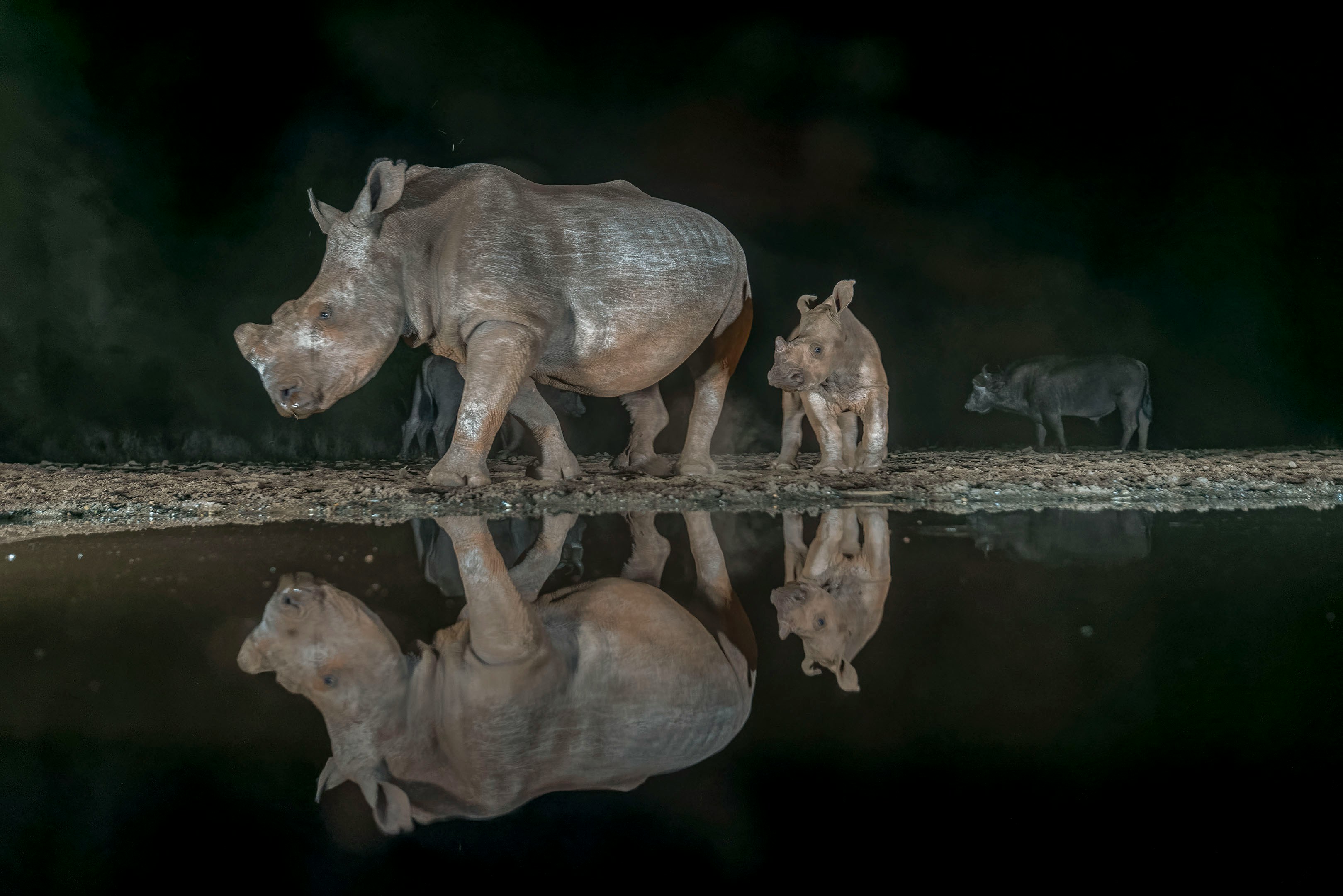
Spotlight reveals nocturnal wildlife invisible during day. Leopards hunting, civets, genets, porcupines, hyenas. Not permitted in main reserve, only conservancies. Dramatically increases leopard sighting odds.

private slider
Walking Safaris In Conservancies

Experience the Mara on foot with armed guides. Not big game tracking like Zambia, more about smaller details, ecology, and awareness. Permitted only in conservancies, not the main reserve. Typically 2-3 hours. Good for varying safari rhythm.

private slider
Mara River Crossings

The wildebeest migration's most dramatic moment. Thousands of animals plunge into crocodile-infested waters, driven by instinct and pressure from the herd. Unpredictable timing - crossings happen when they happen. Peak months July-September. Genuinely spectacular but expect crowds in main reserve.

Frequently Asked Questions

Q: What's the best time to see river crossings in Masai Mara?

Arrow

A: August and September statistically offer the most crossings, but timing is genuinely unpredictable. Crossings depend on herd movements, river water levels, and wildebeest behavior - not human schedules. You might see multiple crossings in one morning or spend three days at the river and see none. July has crossings but fewer. October has some as herds begin moving south. No one can guarantee crossings on specific dates.

Q: Should I stay in the main reserve or a conservancy?

Arrow

A: Depends on budget and priorities. Main reserve has highest wildlife density and is cheaper. Good for budget safaris and first-timers wanting guaranteed game viewing. Conservancies cost significantly more but offer exclusivity, off-road driving, night drives, walking safaris, and far fewer vehicles. If you can afford conservancies, they deliver better overall experiences. If budget is tight, the main reserve still provides excellent wildlife viewing.

Q: How does Masai Mara compare to Serengeti?

Arrow

A: They're connected - same ecosystem, animals move between them. The Mara is smaller, more concentrated, easier logistics, better infrastructure. Serengeti is vast, more wilderness feel, requires more time and internal flights. Migration is in Mara July-October, in Serengeti December-June. Both excellent. Choose Mara for accessibility and concentrated wildlife, Serengeti for scale and remoteness. Many people visit both eventually.

Q: Can you see the Big Five in Masai Mara?

Arrow

A: Four of the Big Five reliably. Lions, leopards, elephants, and buffalo are all abundant. Black rhinos exist in very small numbers in the Mara Triangle section and a few conservancies, but sightings are genuinely rare and not guaranteed. The Mara is primarily a big cat and plains game destination. Don't book expecting rhinos.

Q: Is Masai Mara good for leopards?

Arrow

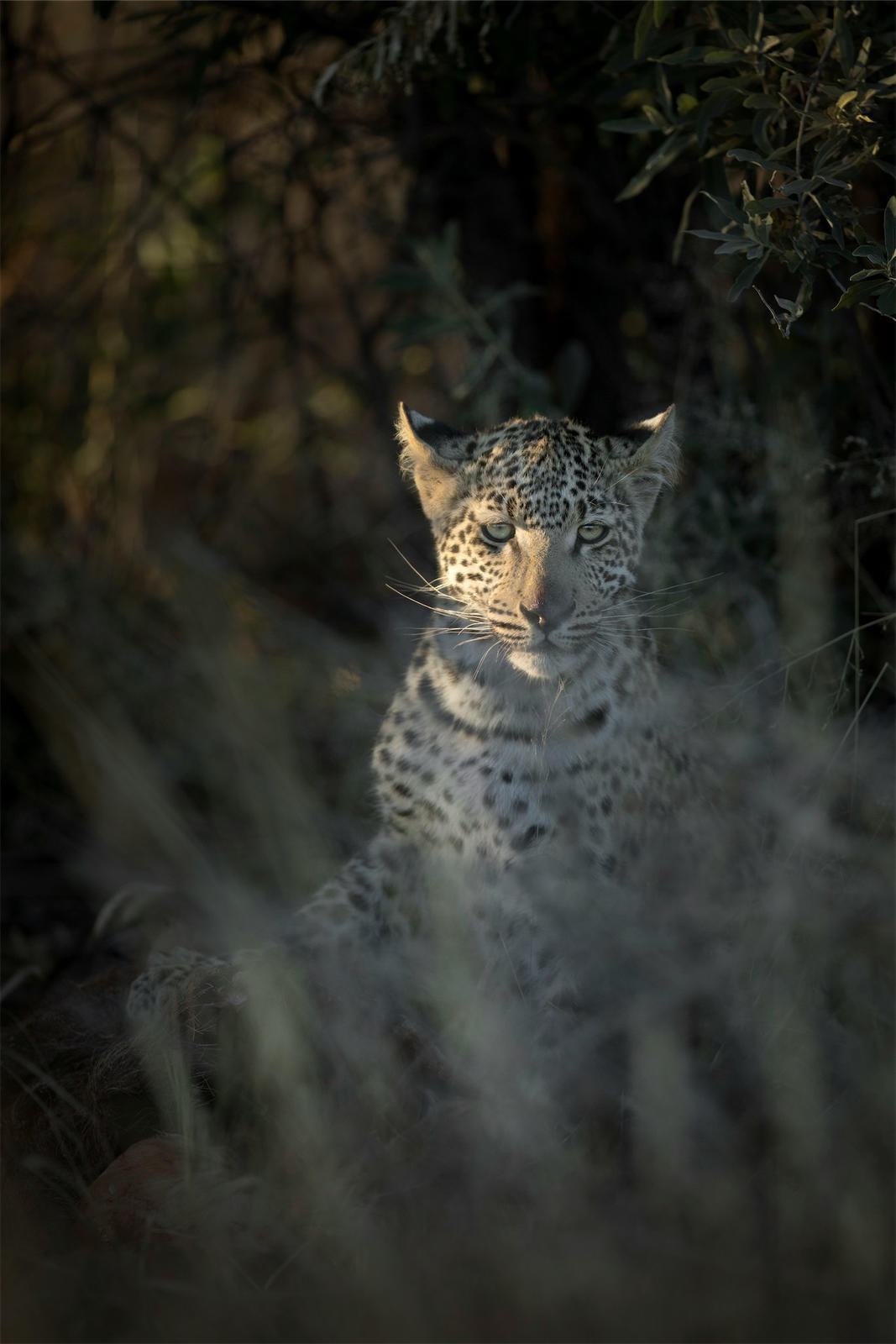
A: Yes, very good. The Mara has strong leopard populations and relatively habituated cats, especially in conservancies. You'll likely see leopards during a 3-4 day stay, often multiple times. Not quite Sabi Sands level (South Africa) but among the best in East Africa. Conservancy night drives dramatically increase odds since leopards are primarily nocturnal hunters.

Q: How crowded does Masai Mara get?

Arrow

A: During migration season (July-October), the main reserve can get genuinely crowded at popular sightings - river crossings sometimes attract 15-20 vehicles. Away from crossings, crowding is moderate. Conservancies largely avoid this problem through strict vehicle limits. Outside migration season (November-June), the Mara is significantly quieter everywhere. If crowds bother you, visit outside peak months or pay for conservancy access.

Q: How do you get to Masai Mara?

Arrow

A: Most visitors fly. Light aircraft from Nairobi's Wilson Airport to Mara airstrips takes 45 minutes. Multiple daily flights, easy to arrange. Road from Nairobi is 5-6 hours on increasingly rough roads - doable but uncomfortable. Most people fly unless combining with other Kenyan destinations. International travelers route through Nairobi (Jomo Kenyatta International Airport), overnight there or connect same day to Wilson for Mara flights.

Q: Is malaria a risk in Masai Mara?

Arrow

A: Yes, the Mara is in a malaria zone year-round. Risk is lower during dry months but never zero. Prophylaxis recommended regardless of season. Most camps provide treated mosquito nets and repellent. Standard precautions apply - cover up at dawn and dusk, use DEET. Consult a travel medicine clinic before your trip for current medication recommendations.

Q: What's the difference between Mara Triangle and the rest of the reserve?

Arrow

A: The Mara is split administratively. Mara Triangle (western section) is managed by the not-for-profit Mara Conservancy. Better roads, stricter rules, less crowding, better managed. The larger eastern section (Narok County side) is government-run. Both have excellent wildlife. Triangle is generally considered better-managed but both deliver great game viewing. Most conservancies border the eastern section.

img

Tuskari’s Impact in Masai Mara National Reserve

Every booking through Tuskari supports conservation efforts and community programs in and around the Masai Mara. The operators we partner with work directly with Maasai communities who own and manage the conservancies, ensuring tourism benefits reach local people.

View Trips in Masai Mara National Reserve