bannerimg

Kruger National Park

Africa's most accessible wilderness. And one of its most rewarding.

Why Visit Kruger?

Kruger is South Africa's flagship park and Africa's most developed safari destination. Nearly 20,000 square kilometres along the Mozambique border, with infrastructure that actually works. This isn't raw wilderness—it's wilderness made accessible without being sanitized.

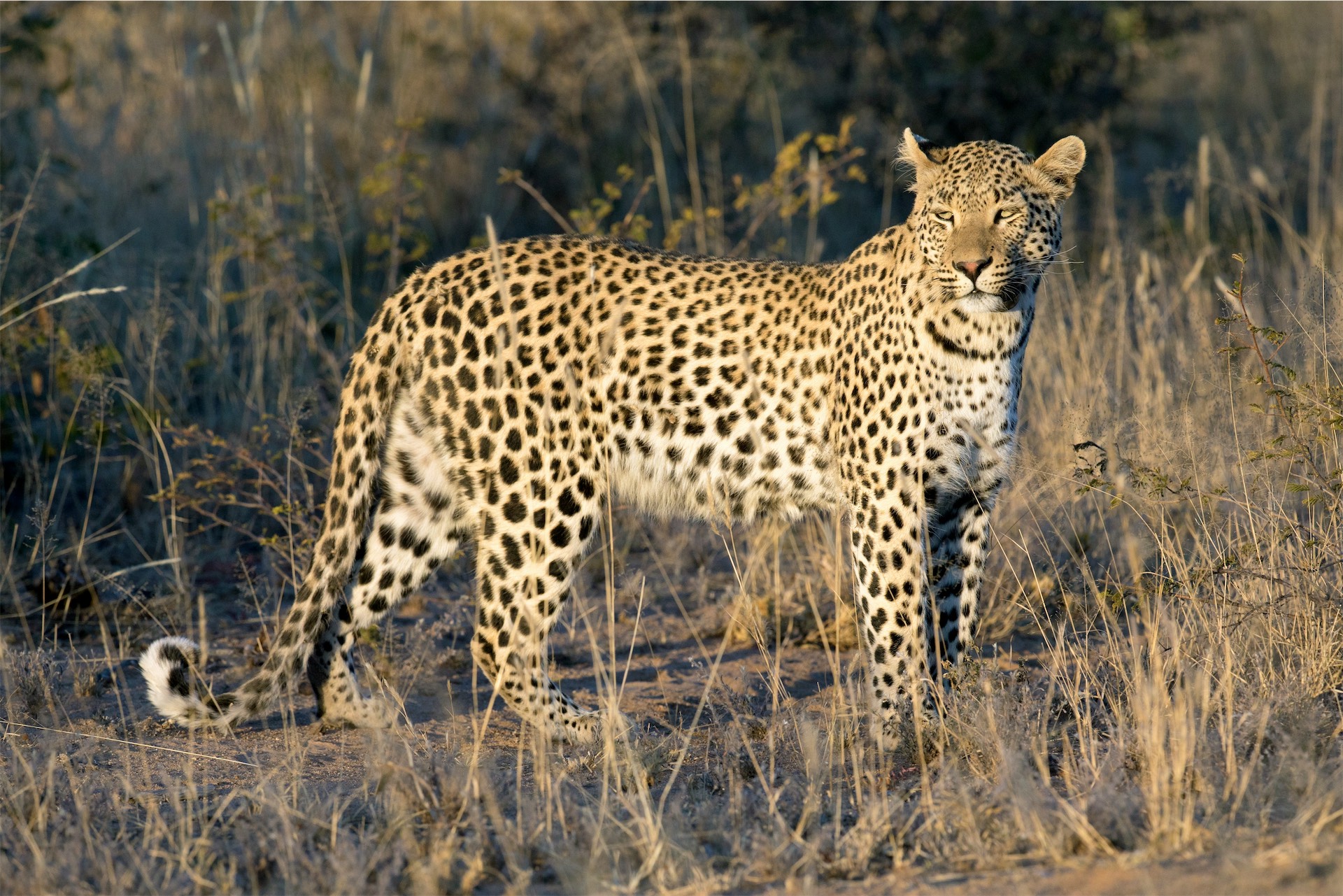
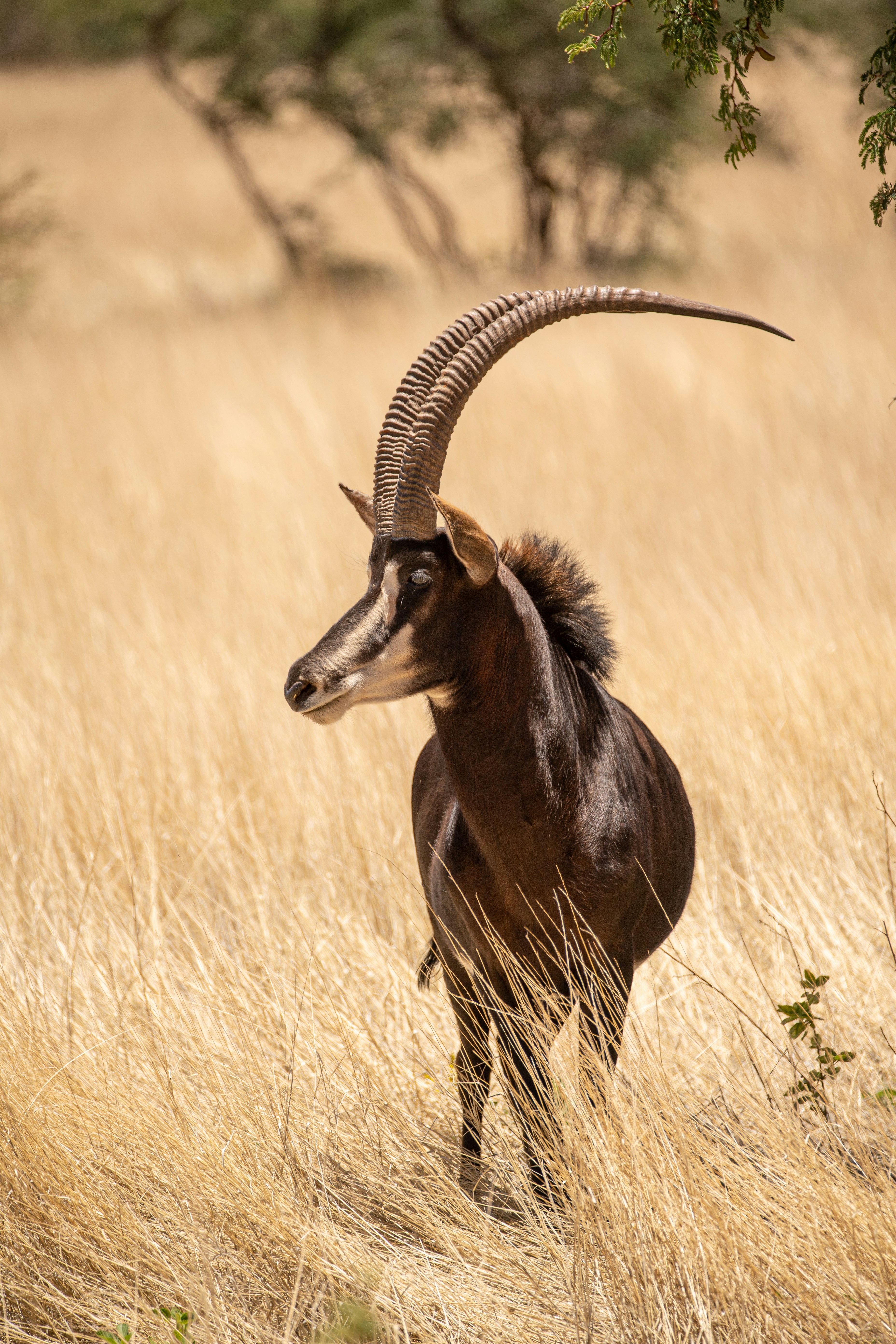
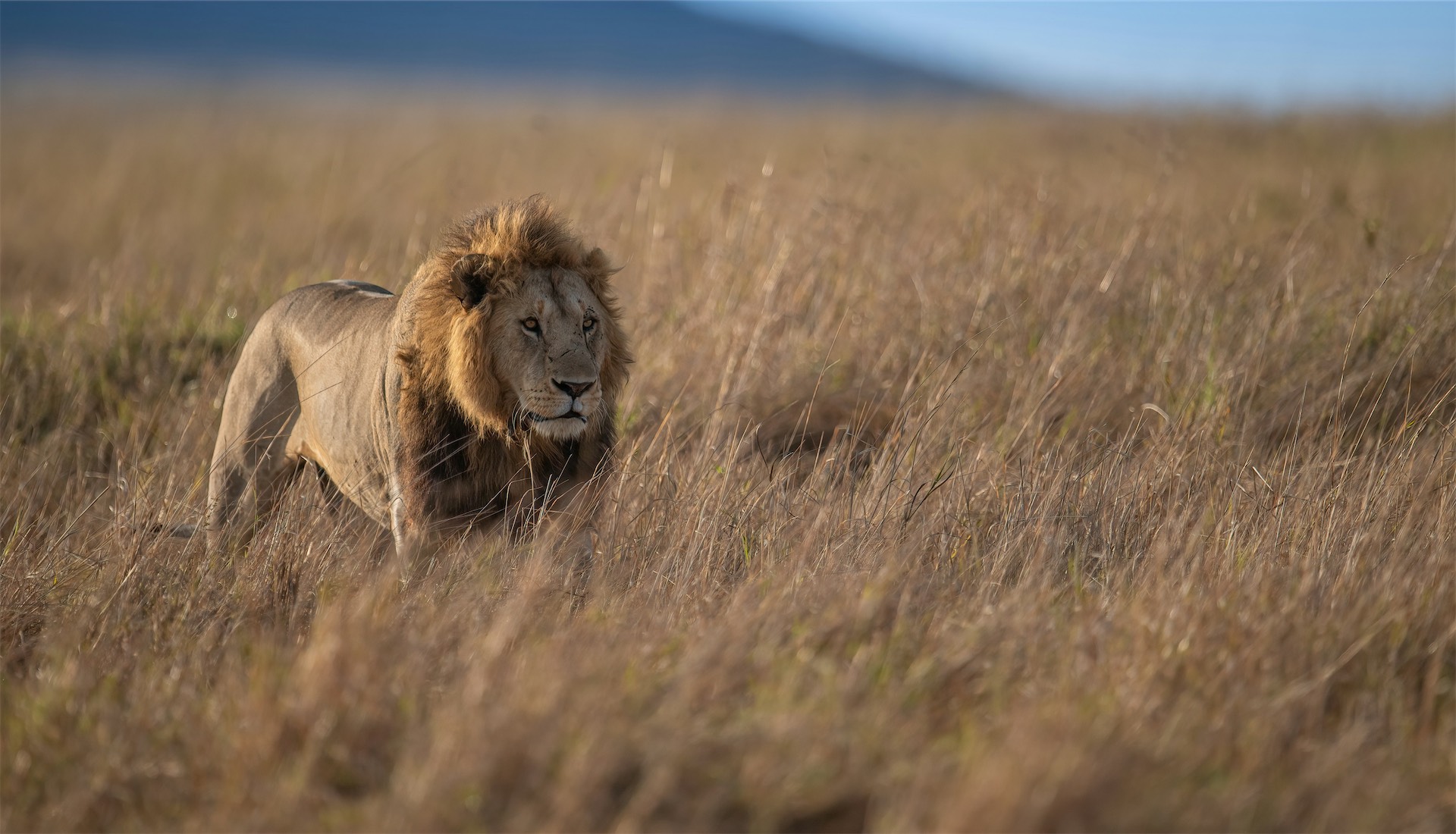
Wildlife density is exceptional. Over 140 mammal species, close to 500 bird species, and the Big Five all present. Kruger has one of Africa's highest leopard concentrations, and because the park has been protected since 1898, many animals are habituated to vehicles. Sightings aren't glimpses—you watch behavior unfold.

The landscape shifts from dense mopane woodland in the north to open grasslands in the south. Central Kruger around Satara is big cat territory. The far north gets wild and remote with massive baobabs. Each section has different geology, vegetation, and wildlife concentrations.

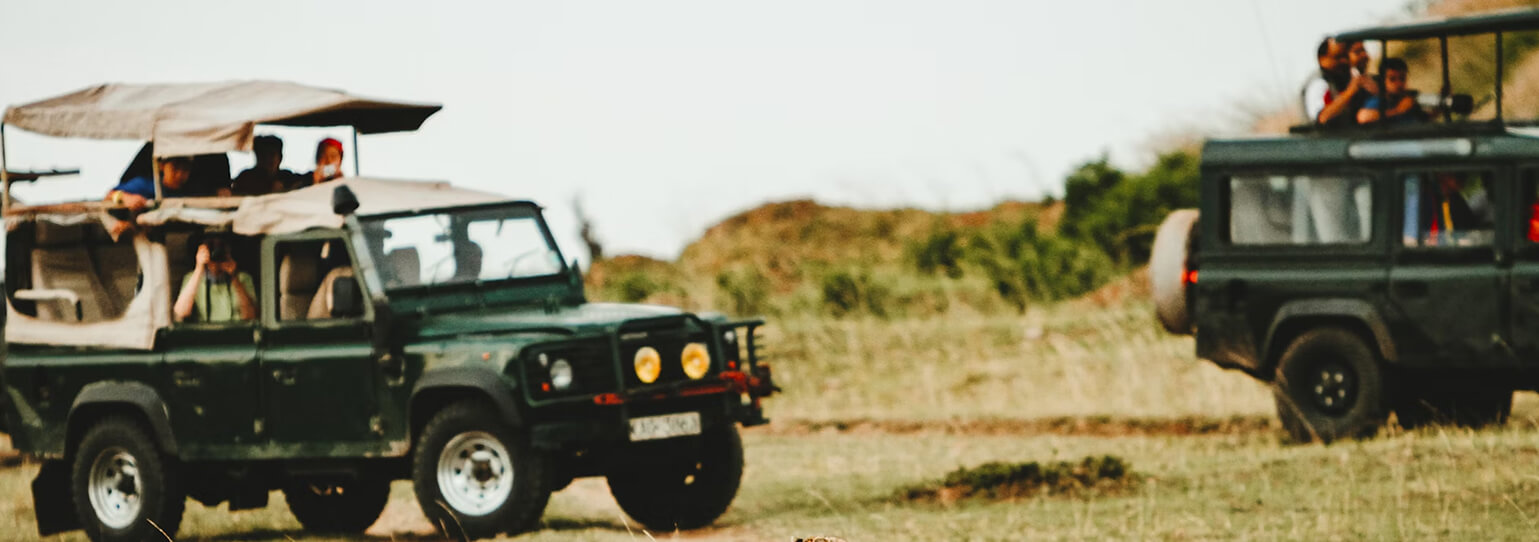
Self-drive safaris work here in ways they don't elsewhere. Extensive road network, clear signage, rest camps with facilities. Rent a car in Johannesburg, drive four hours, be doing game drives by lunch. For first-timers or families, this removes friction.

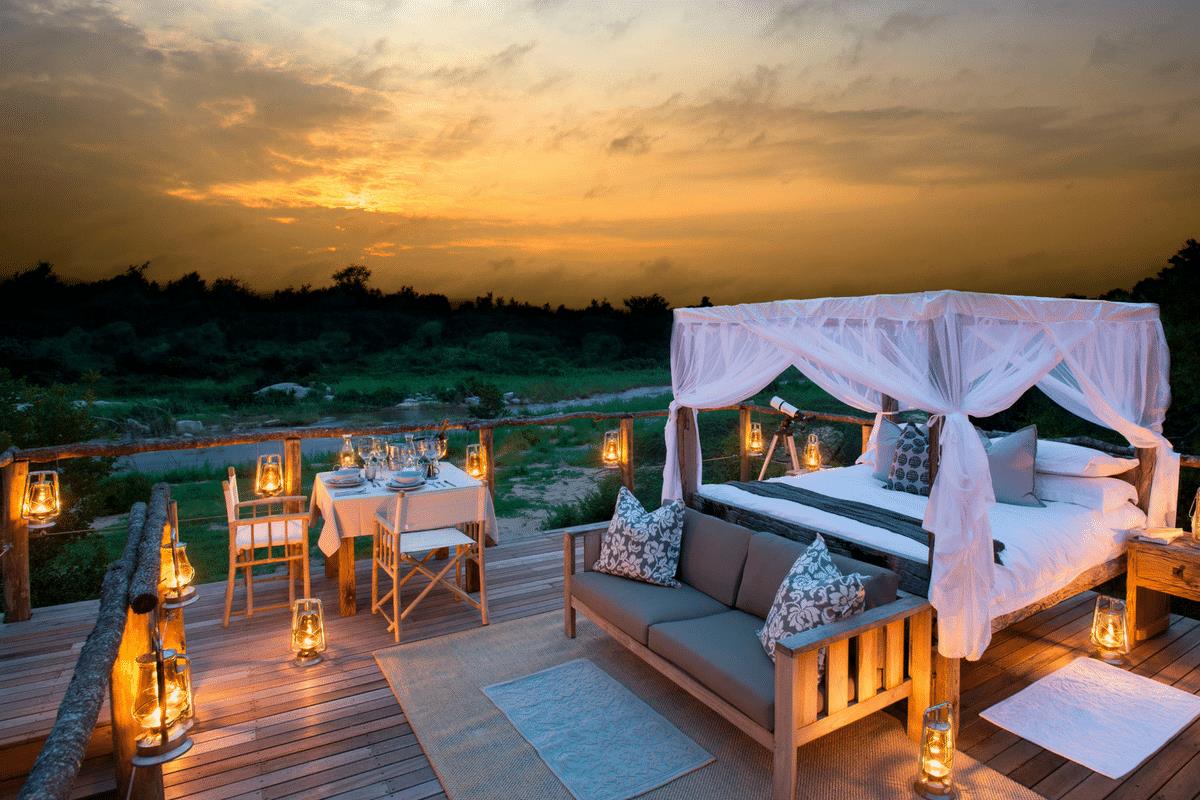
But Kruger also offers serious wilderness. Private concessions along the western boundary—Sabi Sands, Timbavati, Manyeleti—share unfenced borders with the main park. Off-road driving, night drives, walking safaris. Wildlife moves freely, but the experience differs completely.

Kruger balances conservation with access. Want guaranteed sightings, excellent infrastructure, and options from budget self-drive to ultra-luxury? Kruger delivers.
Top Safari Regions In Kruger

private slider
Central Kruger (Satara Region)

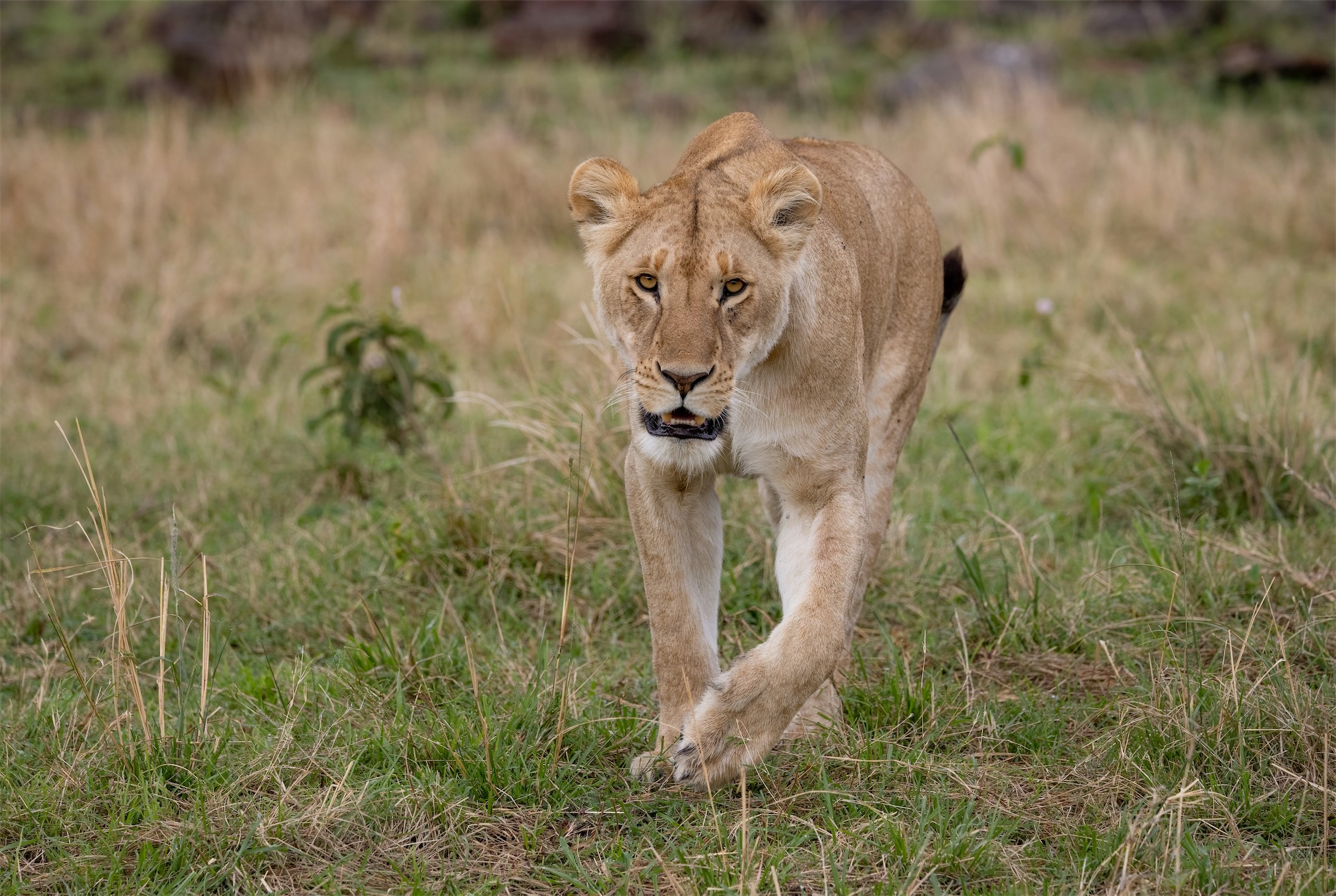
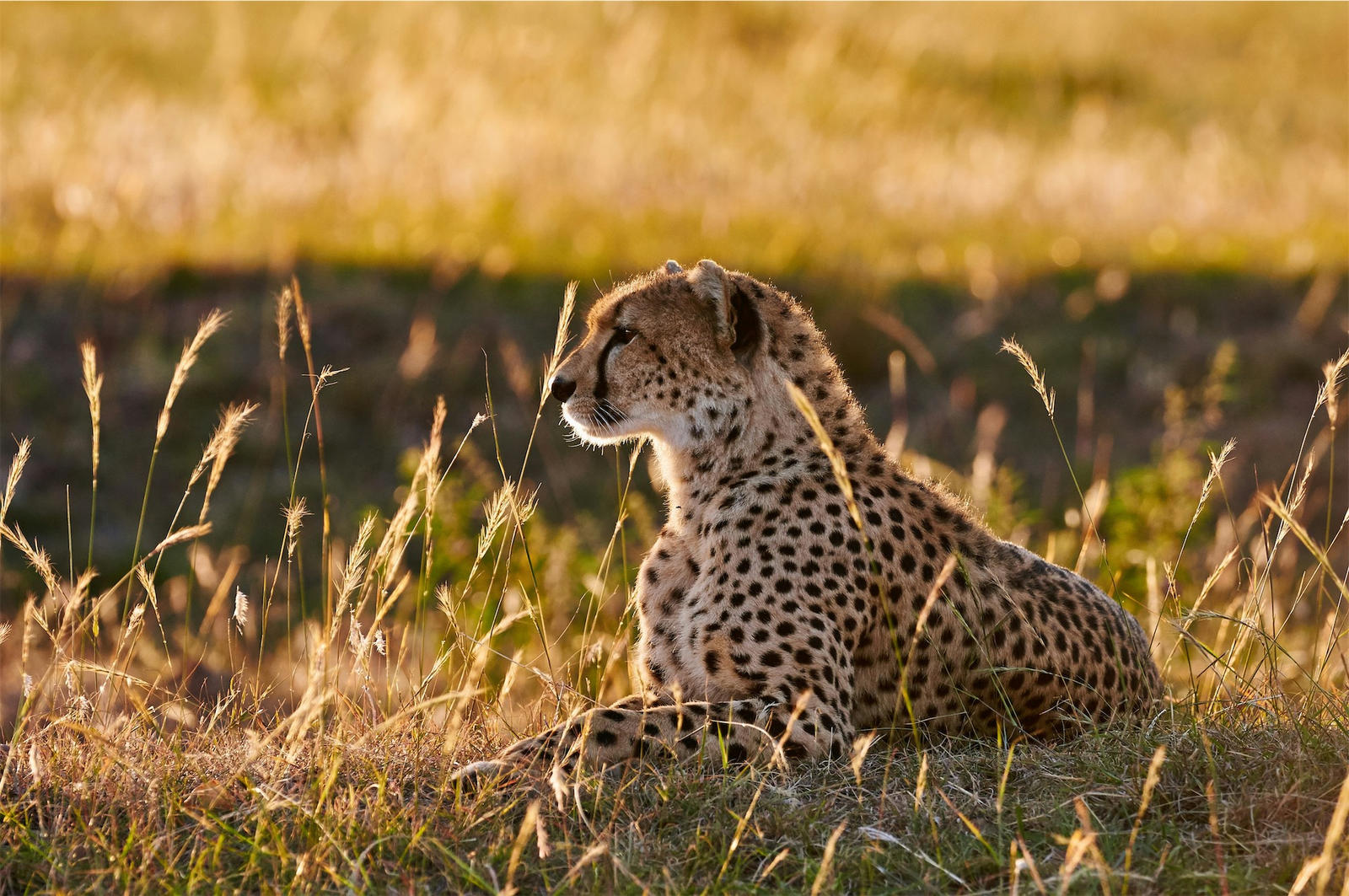
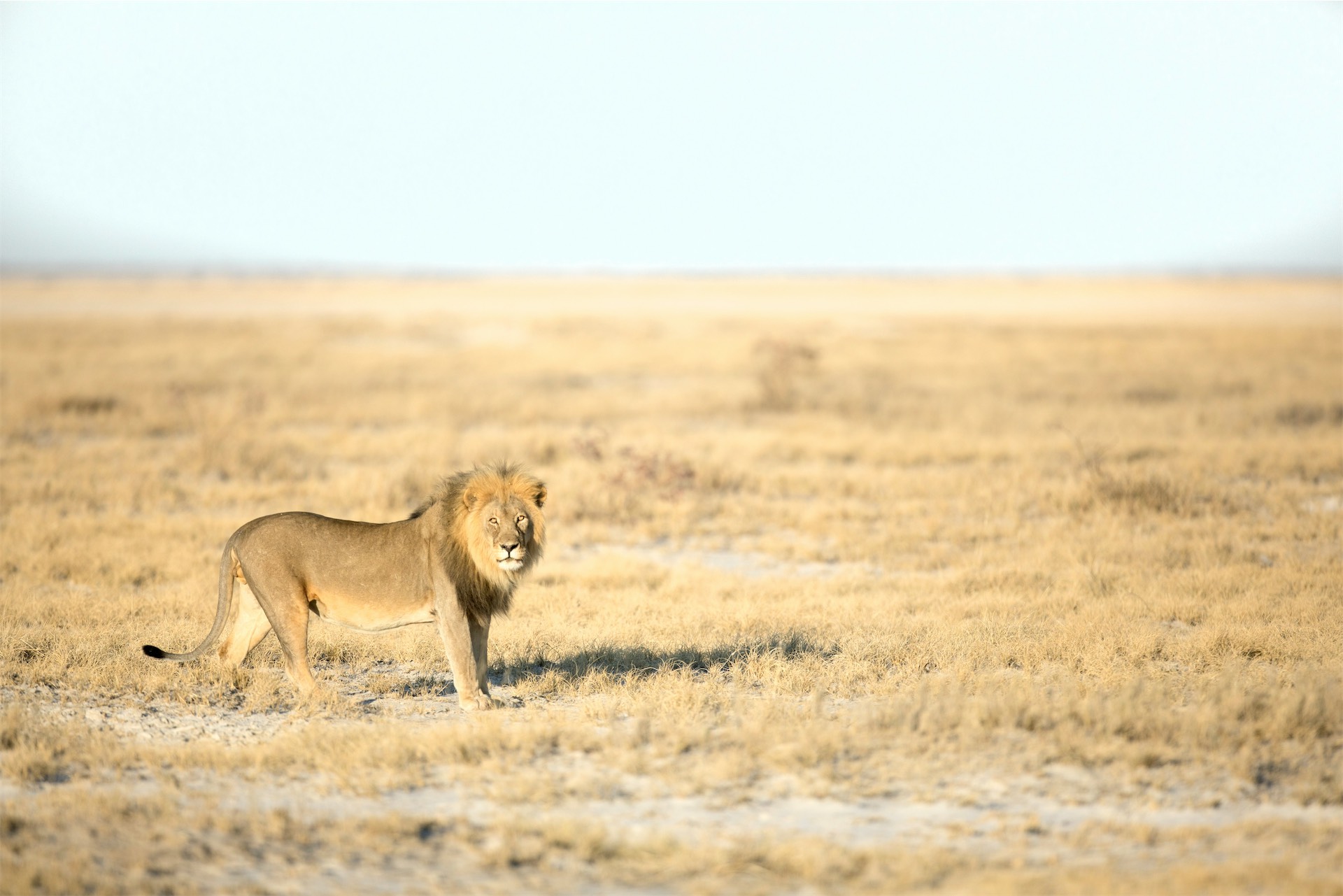
Open plains and high predator density. Satara sits in prime lion and cheetah country. Excellent visibility and regular sightings of big cats hunting.

private slider
Southern Kruger (Lower Sabie To Crocodile Bridge)

Rivers, mixed woodland, highest game density in the park. Lower Sabie overlooks the Sabie River—rhino, elephant, buffalo are regulars. Easier Joburg access.

private slider
Northern Kruger (Punda Maria To Pafuri)

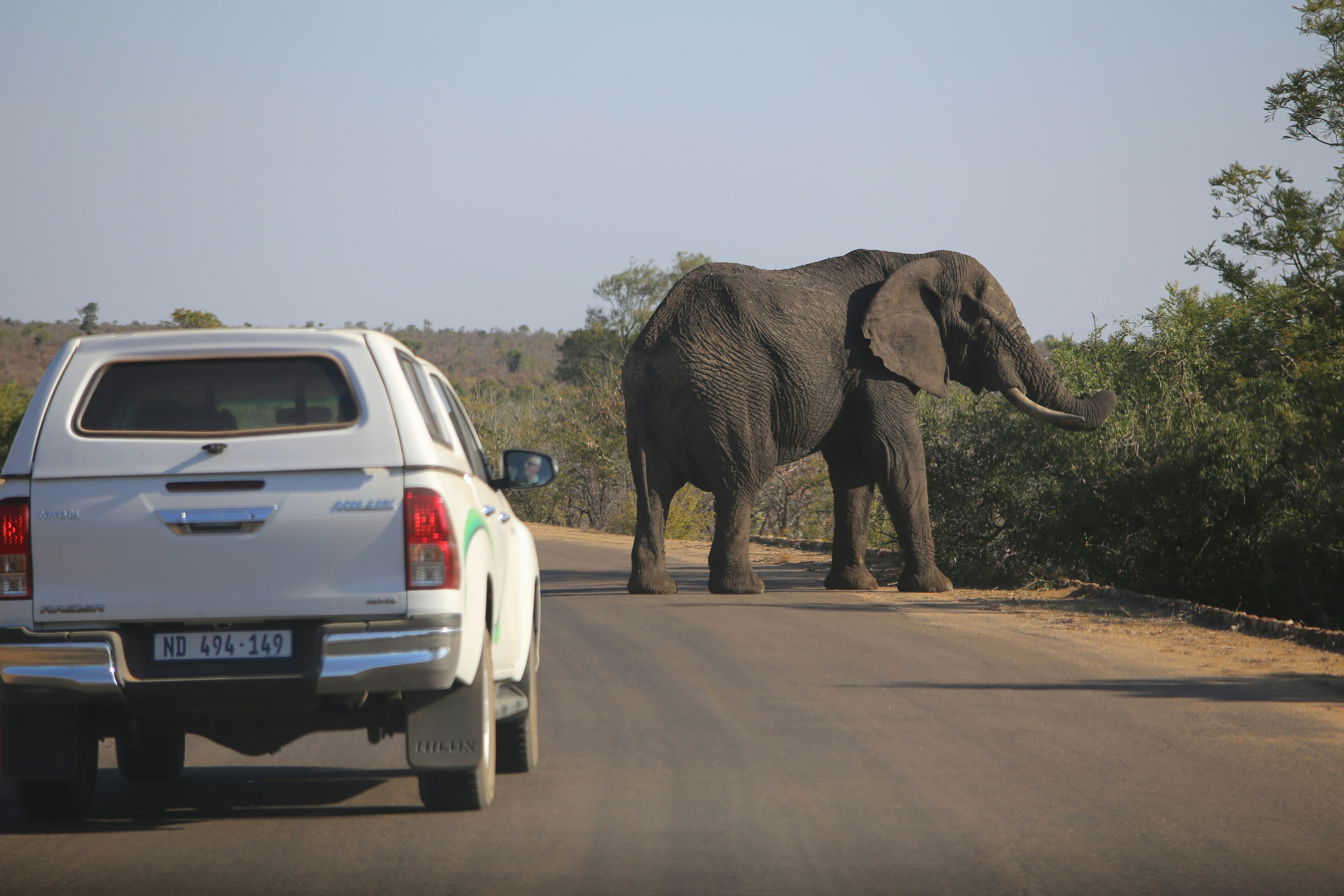
Remote and rugged. Massive baobabs, sandstone cliffs, fewer tourists. Elephants impressive in size and number. Pafuri feels like a different park entirely.

private slider
Private Concessions (Sabi Sands, Timbavati, Manyeleti)

Unfenced reserves sharing Kruger's boundary. Off-road driving and walks allowed. Sabi Sands legendary for leopards—some of the best sightings in Africa.

private slider
Central Kruger (Satara Region)

Open plains and high predator density. Satara sits in prime lion and cheetah country. Excellent visibility and regular sightings of big cats hunting.

When To Visit Kruger

The seasons are distinct. Your timing changes what you'll see and how you'll see it.

img

Dry Season (May To September)

Winter. Days warm, nights cold—sometimes near freezing in June and July. Vegetation dies back, grass is short, animals congregate at water. Game viewing becomes predictable.

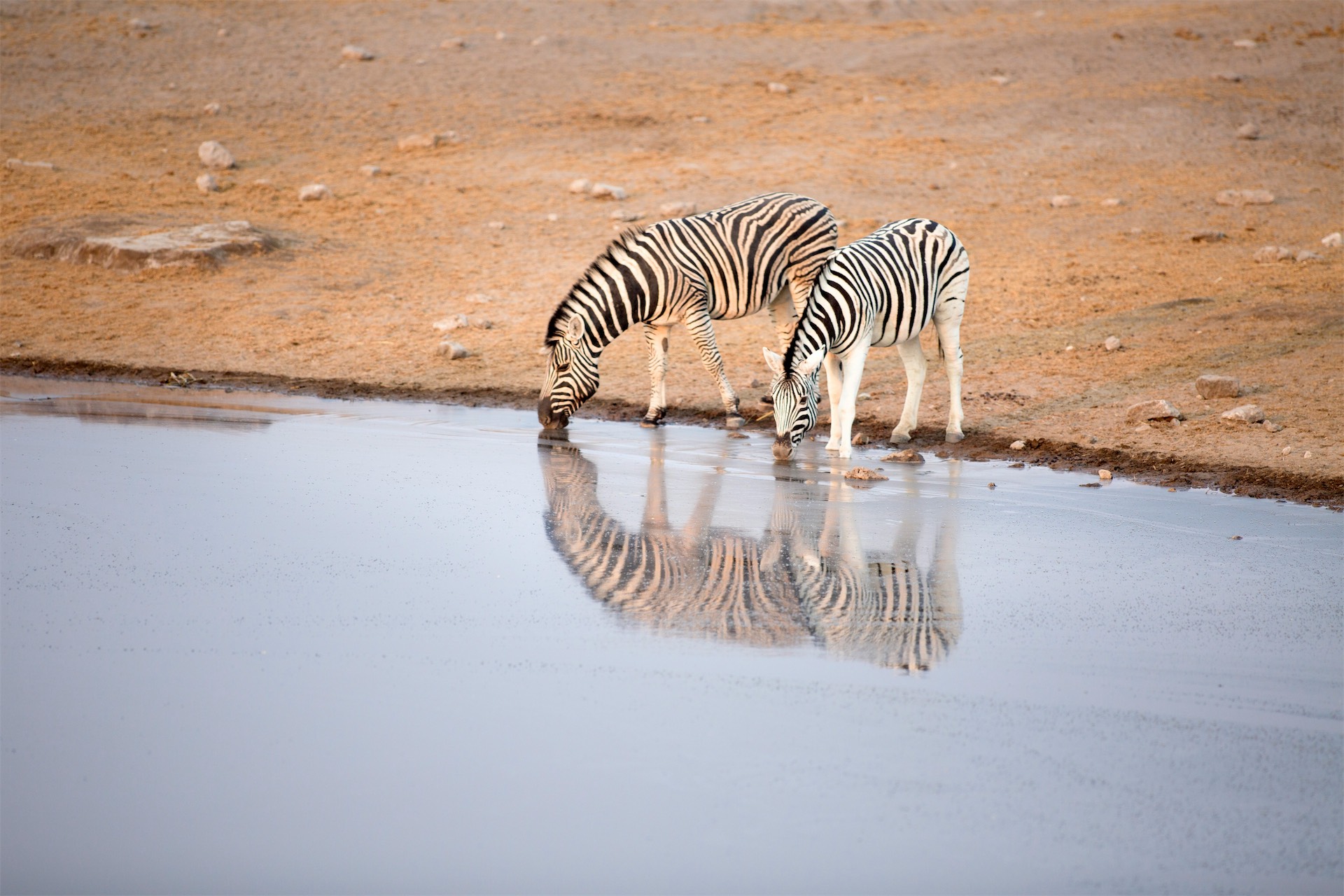
Waterholes are the focal point. Elephants, buffalo, zebra, and predators rotate through. Lack of foliage makes spotting leopards in trees or lions in thickets significantly easier.

Peak season. School holidays in July and August bring crowds. Rest camps and private lodges book months ahead. Prices reflect demand.

Mornings start cold—bring layers. By midday it's t-shirt weather. Dust is constant. Roads dry and easy to navigate.

If you want guaranteed sightings and don't mind sharing the park, dry season delivers.

img

Wet Season (November To March)

Summer. Hot, humid, green. Afternoon thunderstorms near-daily from December through February. The bush transforms—everything leafs out, grass grows tall, the park becomes lush.

Migratory birds arrive. Over 200 migrant species plus residents means extraordinary variety if you care about more than mammals.

Animals disperse because water is everywhere. Game viewing is harder—you're searching rather than waiting. But photographic conditions improve. Green backgrounds, dramatic storm light, fewer vehicles.

Low season. Rest camps have availability. Private lodges drop rates 30-40%. You'll have roads and sightings to yourself.

Heat is real. Mid-30s Celsius most days. Rain usually hits afternoons—mornings typically clear. Some dirt roads become impassable after heavy storms.

If you want value, solitude, excellent birding, and you're willing to work harder for mammal sightings, wet season is underrated.

img

Shoulder Season (April And October)

Transition months. April sees rains tapering off, grass still high but drying. October is the build-up to summer—hot, dry, tense before the rains break.

Both offer middle ground. Better game viewing than wet season, fewer crowds and lower prices than dry season. Weather pleasant in April, oppressive in October.

October can be excellent for predator sightings as prey is stressed by heat and lack of water. But it's the least comfortable month temperature-wise—expect mid to high 30s Celsius with no rain relief.

Experiences Unique To Kruger

-

private slider
Self-Drive Safari

Rent a vehicle, enter through any gate, and explore at your own pace. Rest camps provide accommodation and fuel. You control the schedule entirely.

private slider
Walking Safaris In The Wilderness Trails

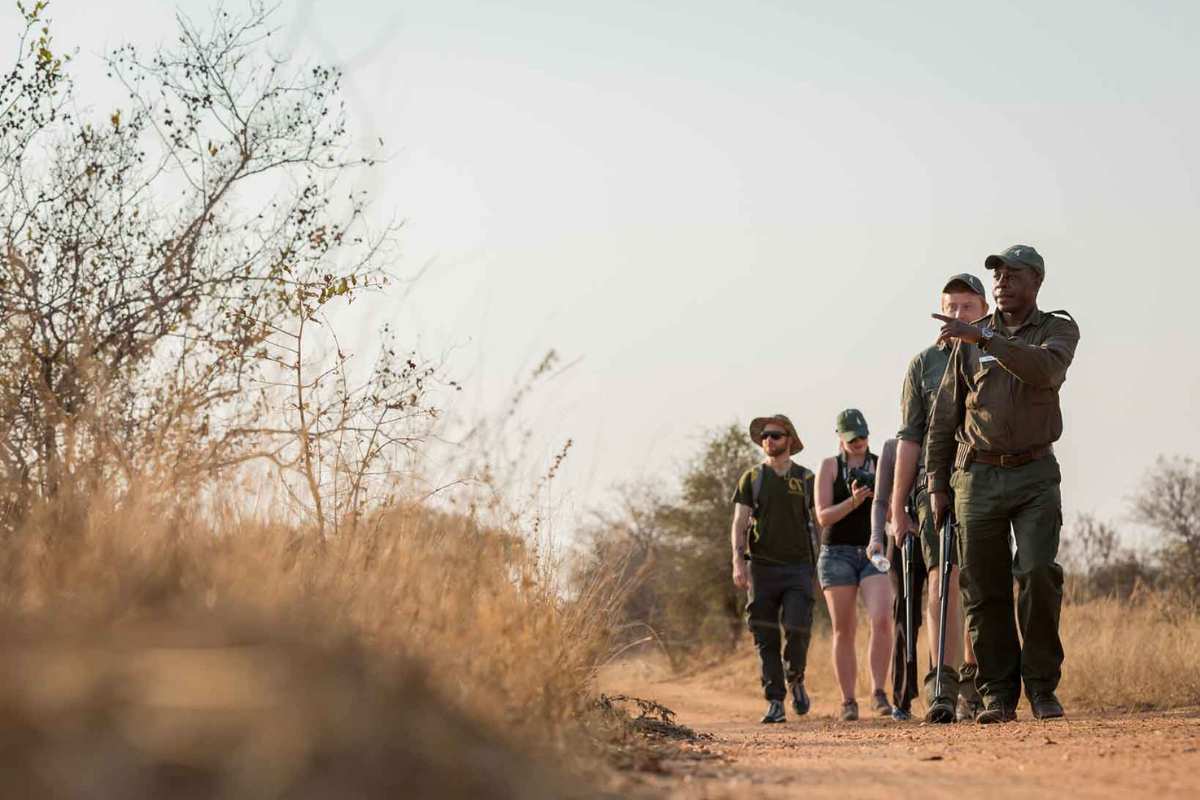
Multi-day walks through designated wilderness areas. Sleep in rustic trail camps. Track animals on foot with armed rangers. Old-school Kruger.

private slider
Off-Road Night Drives In Private Concessions

Spotlights reveal nocturnal life—leopards hunting, civets, genets, porcupines. The bush at night operates under completely different rules.

private slider
Self-Drive Safari

Rent a vehicle, enter through any gate, and explore at your own pace. Rest camps provide accommodation and fuel. You control the schedule entirely.

private slider
Walking Safaris In The Wilderness Trails

Multi-day walks through designated wilderness areas. Sleep in rustic trail camps. Track animals on foot with armed rangers. Old-school Kruger.

Frequently Asked Questions

Q: Can I self-drive in Kruger or do I need a guide?

Arrow

A: Self-driving is not only allowed but common. The main park has excellent roads, clear signage, and rest camps with facilities. You can navigate independently without any issues. Private concessions require you to stay at a lodge and use their guides—self-drive isn't permitted there. If it's your first safari or you want expert interpretation, a guided safari (either in the main park or a private reserve) adds significant value. But Kruger is designed to be accessible for independent travelers.

Q: What's the difference between Kruger and the private reserves?

Arrow

A: The wildlife is the same—animals move freely across unfenced boundaries. The experience differs. Kruger's main park allows only on-road driving, no off-road tracking, no walking (except designated trails), no night drives. It's also self-drive accessible and significantly cheaper. Private reserves (Sabi Sands, Timbavati, etc.) allow off-road driving to follow animals, night drives with spotlights, walking safaris, and have far fewer vehicles. You're restricted to your lodge's vehicles and guides. Much higher cost, more intimate sightings, better leopard encounters.

Q: Is Kruger safe for families with children?

Arrow

A: Yes, with reasonable precautions. Rest camps are fenced and secure. You stay in your vehicle during game drives. Most camps have swimming pools and family-friendly accommodation. Children under 12 aren't allowed on most guided walks or some game drives in private reserves, but the main park is accessible for all ages. Self-driving gives you control over timing and breaks. It's one of the most family-friendly safari destinations in Africa.

Q: How many days should I spend in Kruger?

Arrow

A: Three nights minimum to make the travel worthwhile and see a reasonable cross-section of the park. Five to seven nights lets you explore different regions—southern, central, and northern areas each have distinct character. If you're combining main park and a private reserve, split your time between both. Two nights in a private concession paired with three or four in the main park balances luxury with value.

Q: Do I need a 4x4 vehicle?

Arrow

A: Not for the main park. Most roads are tarred or well-graded gravel suitable for standard sedans. A higher-clearance vehicle helps for visibility and comfort, but it's not essential. During heavy summer rains, some dirt roads might require 4x4, but you can stick to tarred routes. If you're planning serious exploration of remote northern areas, a 4x4 provides more flexibility. For typical southern and central Kruger routes, any rental car works.

Q: What are the malaria risks in Kruger?

Arrow

A: Kruger is a malaria area, particularly in summer (November to April). Risk is lower in winter (May to September) but not zero. Most medical professionals recommend prophylaxis year-round. The main rest camps have mosquito netting and screens. Use repellent, cover up at dawn and dusk, sleep under nets if provided. Malaria is treatable if caught early, but prevention is straightforward. Consult a travel health clinic before your trip.

Q: Can I see the Big Five in Kruger?

Arrow

A: Yes. Kruger has all Big Five—lion, leopard, elephant, buffalo, and rhino. Lions and elephants are common. Buffalo and rhino require more effort but are regularly seen. Leopards are the challenge, though Kruger has one of Africa's highest leopard populations. Central Kruger and private reserves offer the best leopard odds. You won't guarantee all five in a single trip, but three or four is realistic over a few days.

Q: Are there ATMs and fuel in the park?

Arrow

A: Yes. Larger rest camps (Skukuza, Satara, Lower Sabie, Letaba) have fuel stations, shops, restaurants, and ATMs. Smaller camps have limited facilities. Plan ahead—fuel up when you can, carry cash for gate fees and smaller purchases. Mobile signal works in most camps and along main routes (Vodacom and MTN are most reliable). Kruger's infrastructure is far more developed than most African parks.

img

Tuskari’s Impact in Kruger National Park

Every booking through Tuskari supports conservation efforts and community programs in and around Kruger National Park. The operators we partner with employ local guides and staff, work with neighboring communities on sustainable development, and contribute to anti-poaching units that protect rhinos and other threatened species.

View Trips in Kruger National Park