bannerimg

Hwange National Park

Where elephants rule and the waterhole theater never closes.

Why Visit Hwange?

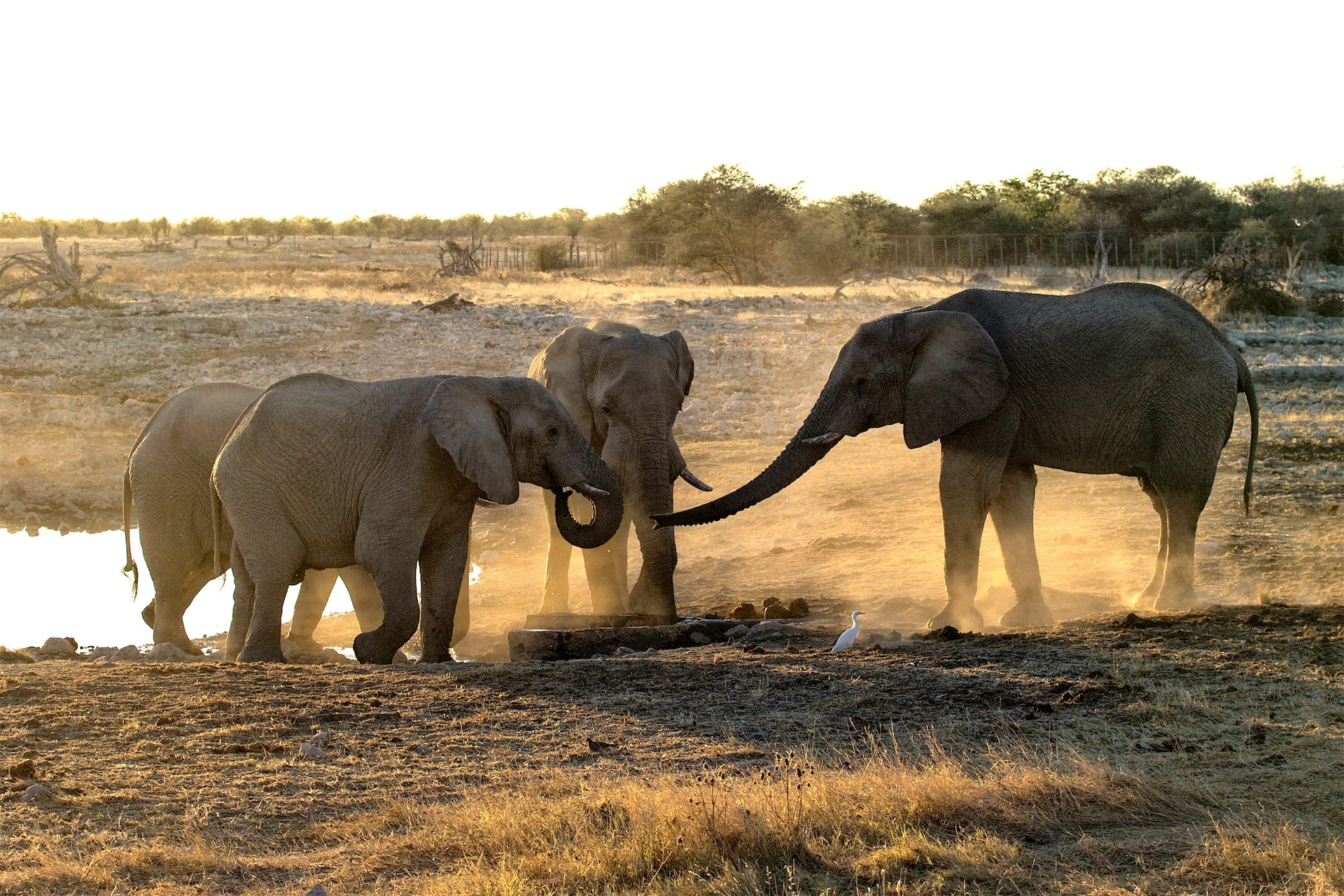
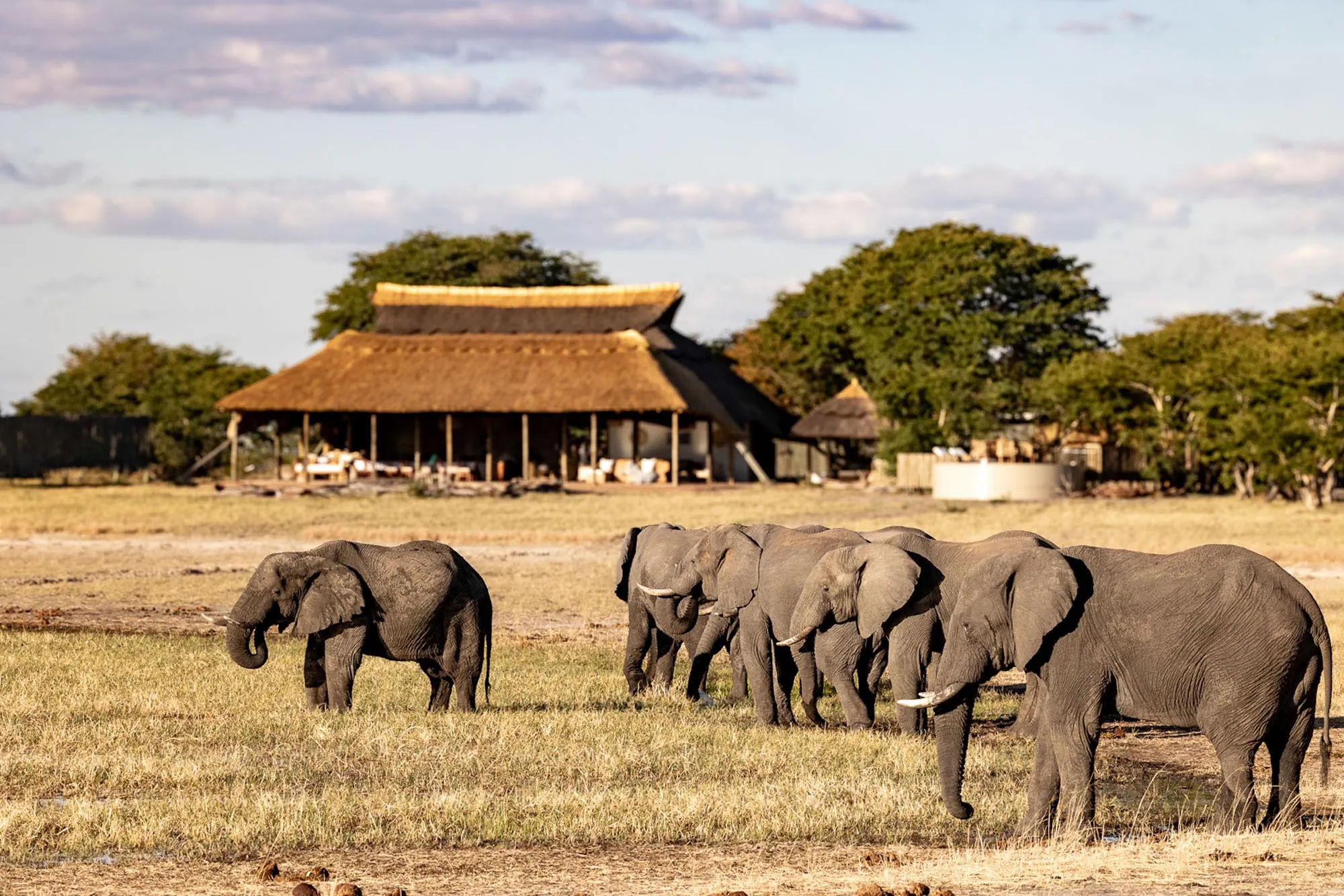
Hwange is Zimbabwe's flagship wildlife reserve and one of Africa's great elephant sanctuaries. At 14,650 square kilometres, it's the country's largest national park—a vast stretch of Kalahari woodland, teak forests, and grasslands that supports an astonishing diversity of wildlife. This is elephant country. Hwange's population fluctuates between 40,000-50,000 elephants, creating some of the most dramatic congregations on the continent during dry season.

The park's defining feature is its network of artificial waterholes—over 60 pumped pans and natural springs that sustain wildlife through the dry months. When seasonal rains disappear, these waterholes become wildlife magnets. Set up at a pan in August or September and you'll witness an endless procession: elephant herds, buffalo, giraffe, zebra, wildebeest, and predators waiting for their moment.

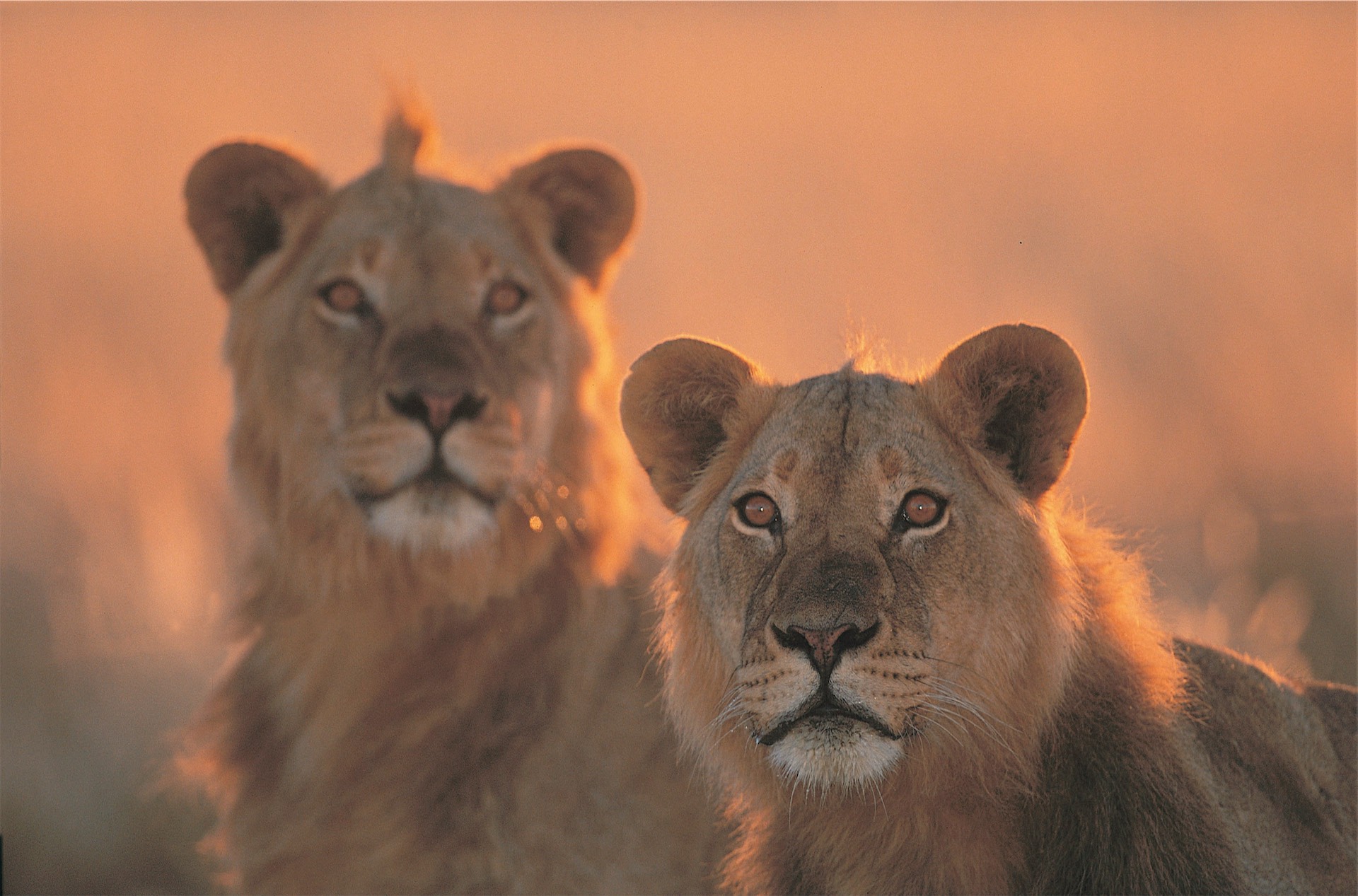
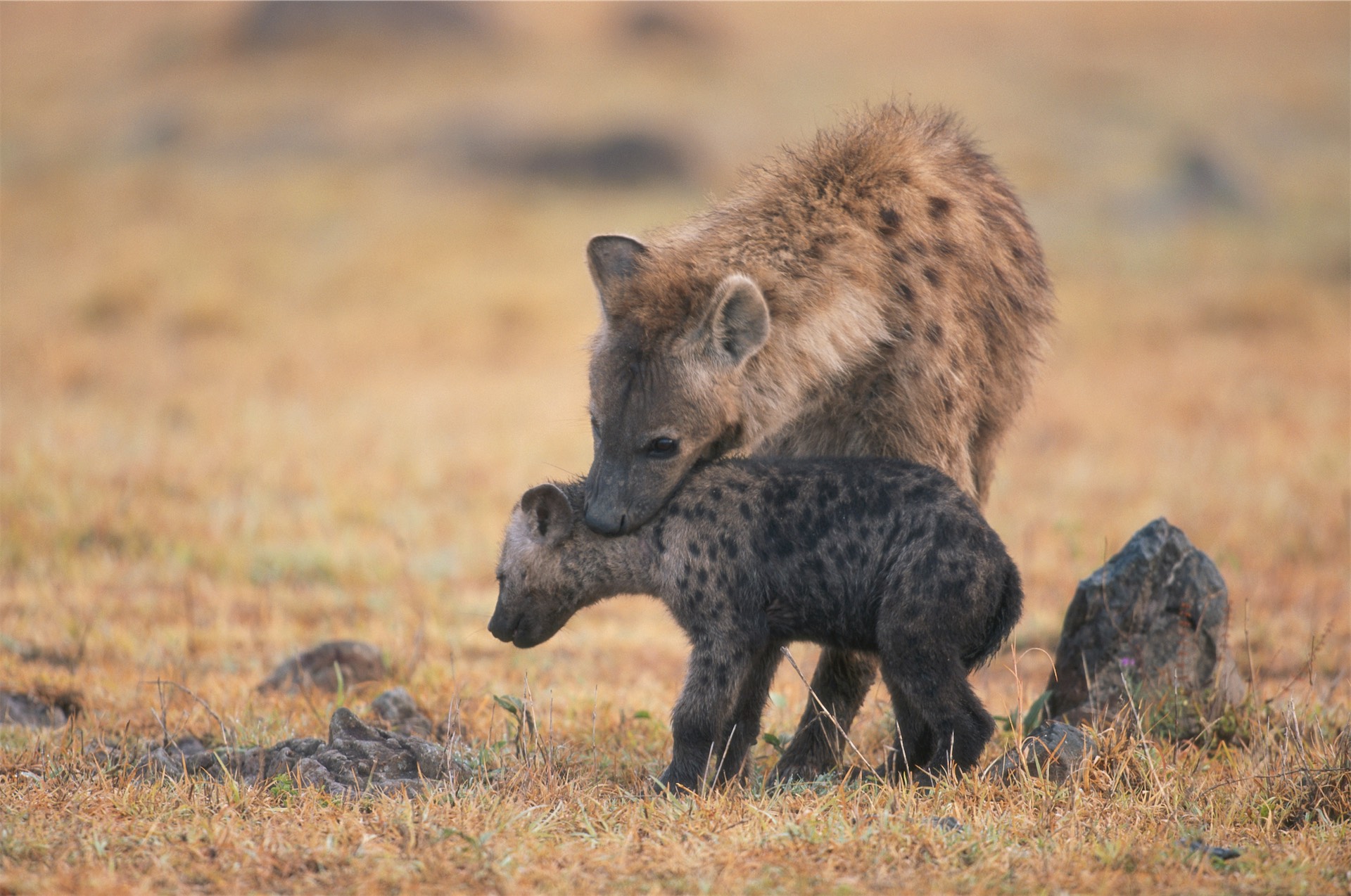
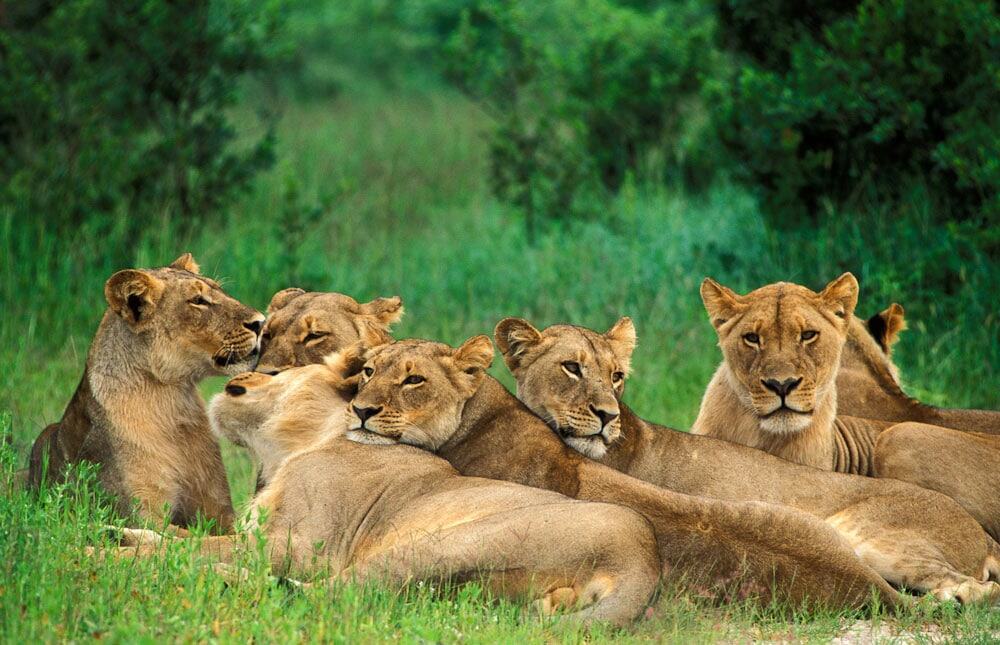
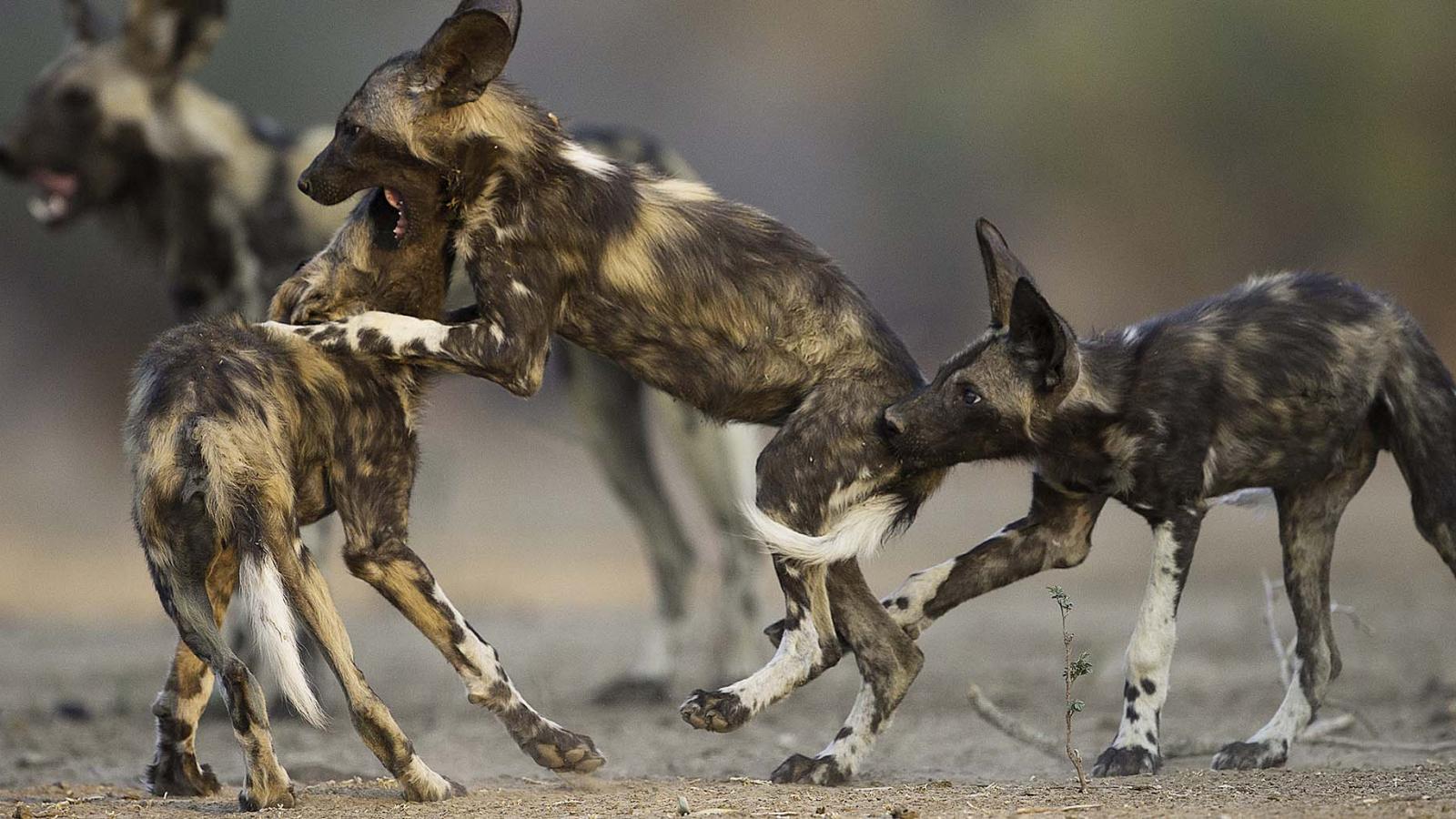
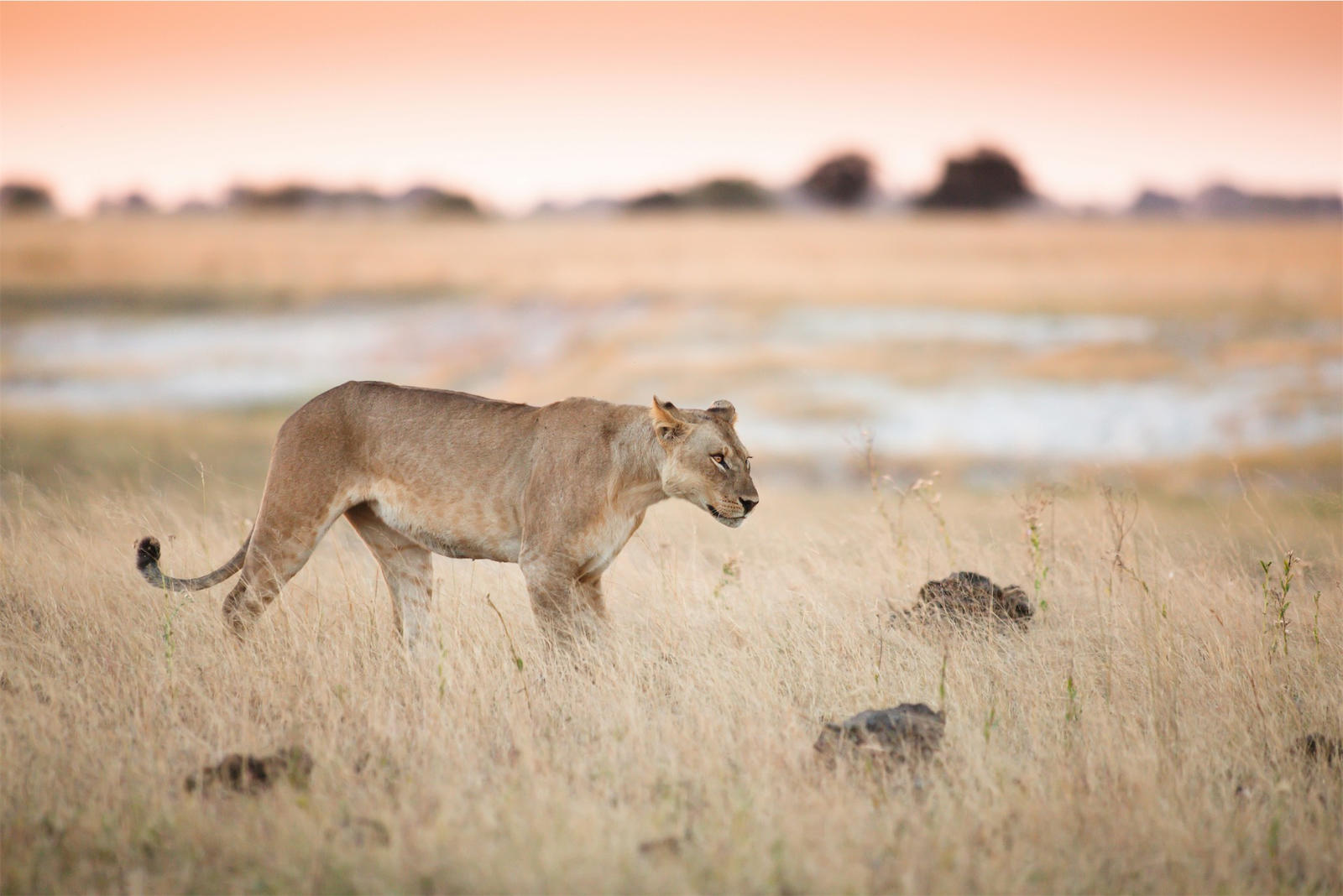
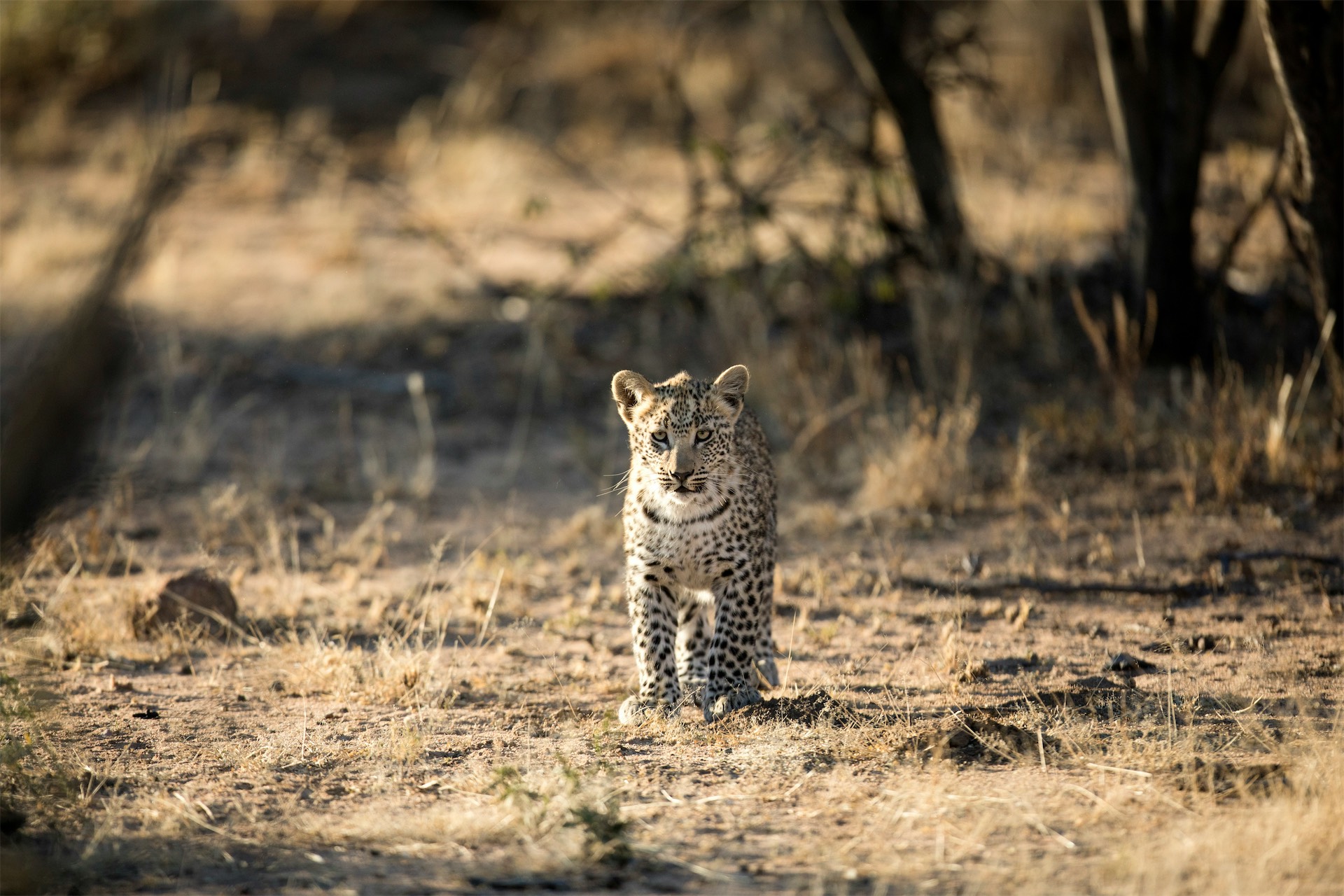
Beyond elephants, Hwange delivers exceptional predator viewing. Lions are abundant—estimated 500+ individuals. African wild dogs den here seasonally, and though sightings aren't guaranteed, Hwange is one of your best bets in Southern Africa for encountering these endangered hunters. Leopards, cheetahs, and spotted hyenas complete the predator lineup.

Access is straightforward. Victoria Falls is 2 hours north—most visitors combine the two. Fly into Victoria Falls Airport, then transfer by road or light aircraft to camps. The park has excellent lodge infrastructure, from budget-friendly camps near the main gate to luxury concessions deep in the wilderness.

Hwange lacks the dramatic landscapes of Etosha or the Serengeti's endless plains, but what it offers is consistent, high-quality game viewing in an authentic African bushveld setting with far fewer tourists than East Africa's more famous parks.
Top Safari Regions in Hwange

private slider
Sinamatella Area (North)

Elevated terrain with rocky outcrops and scenic viewpoints. Less visited than the south. Good for roan and sable antelope. Wilder feel with fewer vehicles.

private slider
Main Camp Area (Northeast)

Park headquarters and most accessible sector. Well-maintained roads, several waterholes with hide infrastructure. Good for first-time visitors and self-drivers. Higher tourist concentration but reliable game viewing.

private slider
Robins/Deka Area (Central)

Teak and mopane woodland. Excellent for wild dogs when dens are active (typically May-August). Remote bushcamps offer exclusivity. Mixed terrain with seasonal pans.

private slider
Linkwasha/Ngamo (Southwest)

Private concessions with luxury lodges. Outstanding dry season game viewing. Multiple waterholes attract constant wildlife activity. Walking safaris and off-road driving permitted in concessions.

private slider
Sinamatella Area (North)

Elevated terrain with rocky outcrops and scenic viewpoints. Less visited than the south. Good for roan and sable antelope. Wilder feel with fewer vehicles.

When To Visit Hwange

Timing shapes your experience. Seasons are distinct, each offering something different.

img

Dry Season (May To October)

Peak safari season. As Zimbabwe's dry months progress, Hwange's pumped waterholes become critical lifelines, concentrating wildlife in extraordinary numbers.

May-July: Early dry season - grass still present, moderate temperatures (20-25°C), excellent viewing without peak crowds. August-September: Prime time - maximum wildlife density at waterholes, sparse vegetation, best visibility for predators. October: Intensely hot (35-40°C) but exceptional viewing as stressed animals spend hours at water.

Waterhole sits are productive. Park yourself at a pan and watch elephant herds jostle for position, lions wait in ambush, wild dogs arrive to drink. Larger lodges have hides with 24-hour wildlife access.

High season means lodges book months ahead, especially August-September. Prices reflect demand. For guaranteed close-range wildlife encounters, this is your window.

img

Green Season (November to April)

The rains arrive, transforming Hwange into lush bushveld. Natural pans fill. Wildlife disperses across the park as water becomes available everywhere, making game viewing less predictable and more challenging.

This is off-season safari time. Animals are harder to find in dense vegetation. But the landscape is beautiful - dramatic thunderstorms, green woodland, newborn animals. Birdlife explodes with migrants and breeding residents. Over 400 species recorded.

Significantly cheaper than dry season - sometimes 40-50% less. Fewer tourists. Roads can become challenging after heavy rains, though main routes remain accessible. Some remote camps close January-March.

If you're flexible, experienced, and want to see Hwange's ecological transformation at budget prices, green season offers value. First-timers should stick to dry season for reliable viewing.

Experiences Unique to Hwange

-

private slider
Waterhole Hides

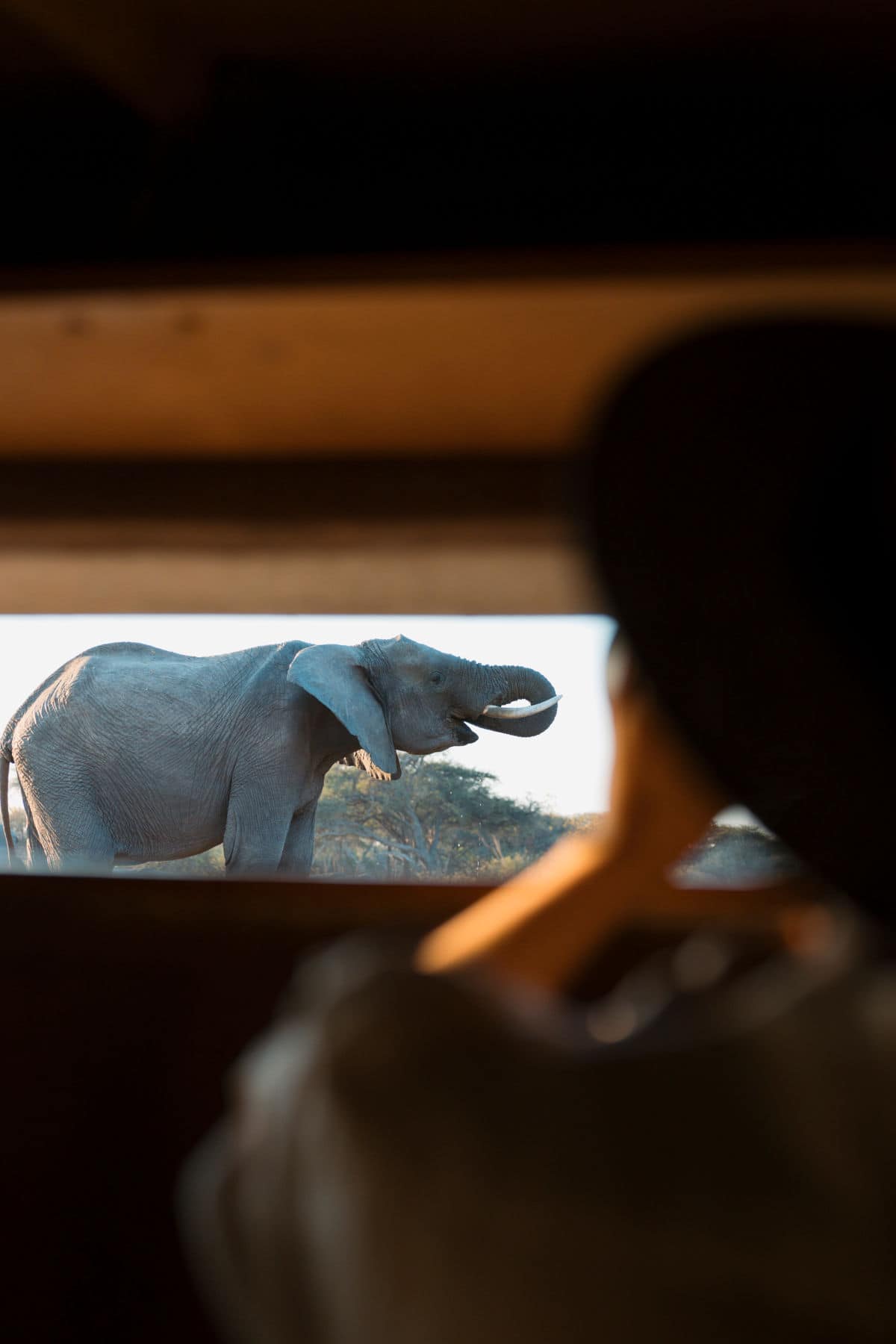
Underground or elevated hides at key waterholes. Spend hours watching wildlife behavior at close range. Photographers love the setup—stable positions, predictable animal movements, dramatic interactions.

private slider
Wild Dog Tracking

Hwange's wild dog population dens seasonally. Some camps track collared packs. Success isn't guaranteed—they're nomadic—but this is one of Africa's best locations for encountering painted wolves.

private slider
Night In The Wild

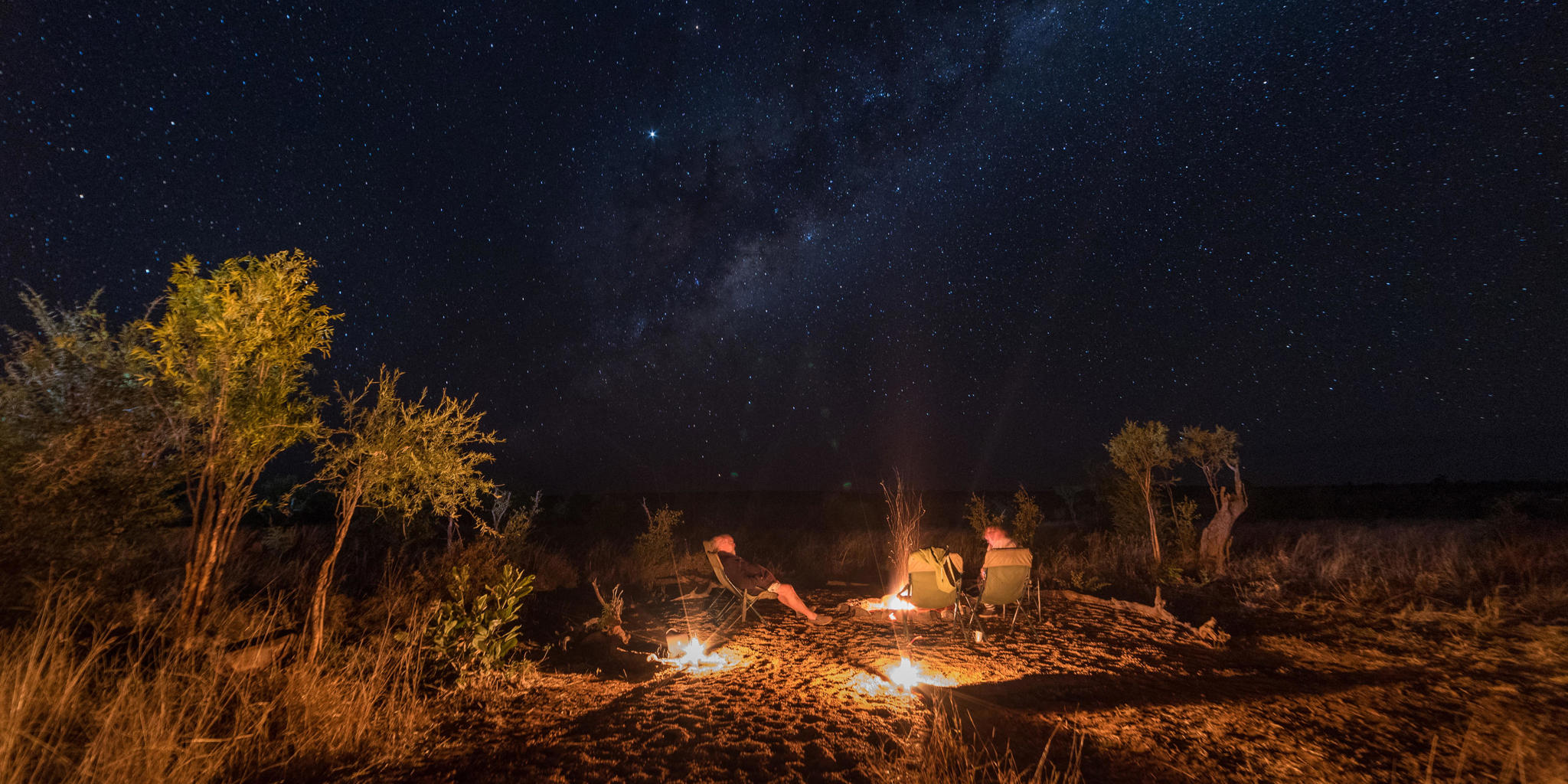
Select concessions offer sleep-outs on raised platforms near waterholes. No tent, just a bed under mosquito netting. Fall asleep to elephant rumbles and hyena calls. Genuinely immersive.

private slider
Waterhole Hides

Underground or elevated hides at key waterholes. Spend hours watching wildlife behavior at close range. Photographers love the setup—stable positions, predictable animal movements, dramatic interactions.

private slider
Wild Dog Tracking

Hwange's wild dog population dens seasonally. Some camps track collared packs. Success isn't guaranteed—they're nomadic—but this is one of Africa's best locations for encountering painted wolves.

Frequently Asked Questions

When is the best time to visit Hwange National Park?

Arrow

The dry season (May to October) offers the most concentrated wildlife viewing, especially July through October when animals gather at waterholes. However, the green season (November to April) provides incredible bird watching, better photographic light, and fewer crowds. First-time visitors often prefer the dry season for guaranteed big game sightings, while photographers love the dramatic skies and lush landscapes of the wet season.

How do I get to Hwange National Park?

Arrow

Hwange is incredibly accessible, just 2 hours by road from Victoria Falls or 20 minutes by charter flight. Most visitors fly into Victoria Falls International Airport and either drive or take a scenic flight over the park. The main entrance at Main Camp is well-maintained and accessible by regular vehicles, though 4WD is recommended for some areas within the park.

Is Hwange a malaria area?

Arrow

Yes, Hwange is in a malaria region, particularly during the wet season (November to April). Malaria prophylaxis is strongly recommended, along with standard precautions like long sleeves at dawn and dusk, and insect repellent. Most lodges provide treated bed nets and guidance on prevention.

What types of accommodation are available?

Arrow

Hwange offers everything from luxury safari lodges and exclusive mobile camps to rustic chalets at the main camps (Main Camp, Robins, and Sinamatella). Budget travelers can camp at designated sites, while luxury seekers can choose from world-class lodges like Linkwasha and The Hide. Many accommodations offer specialized experiences like photographic hides and walking safaris.

Can you do walking safaris in Hwange?

Arrow

Absolutely! Hwange is one of Zimbabwe's premier walking safari destinations. Professional guides lead walks ranging from short bush walks to multi-day hiking safaris. Walking safaris offer an intimate connection with the ecosystem and the chance to track animals on foot, though they require good fitness levels and are typically seasonal.

What makes Hwange different from other elephant parks?

Arrow

Hwange's elephants are unique because they're completely wild and follow ancient migration routes between Zimbabwe and Botswana. Unlike some parks where elephants are habituated to vehicles, Hwange's herds maintain their natural wariness, creating more authentic viewing experiences. The park also features some of Africa's largest tuskers and multi-generational family groups.

Are there any special permits needed for Hwange?

Arrow

Standard park entry permits are required and can be purchased at gates or arranged through tour operators. Some activities like walking safaris and photographic hides require additional permits and must be booked with licensed operators. International visitors need valid passports, and some nationalities require visas for Zimbabwe.

What's the best way to see painted dogs in Hwange?

Arrow

Hwange has one of Africa's most successful painted dog conservation programs. The best sightings occur during the dry season when packs are more active and visible. Many lodges work with the Painted Dog Conservation project and can arrange specialized tracking experiences. Early morning and late afternoon game drives offer the highest success rates.

img

Tuskari’s Impact in Hwange National Park

Your visit helps fund these initiatives while supporting local communities around the park through employment and community development programs. Every safari contributes to maintaining the artificial water points that sustain Hwange's legendary wildlife concentrations, ensuring future generations can experience these incredible elephant gatherings.

View Trips in Hwange National Park