bannerimg

Etosha National Park

Where the salt pan meets the waterhole spectacle.

Why Visit Etosha?

Etosha is Namibia's premier wildlife destination and one of Southern Africa's most unique safari parks. At 22,270 square kilometres, it's massive - dominated by the otherworldly Etosha Pan, a vast salt flat visible from space that covers roughly 4,800 square kilometres of the park's center. During dry season, this pan becomes a shimmering white expanse of cracked earth. After rains, it occasionally floods, attracting thousands of flamingos.

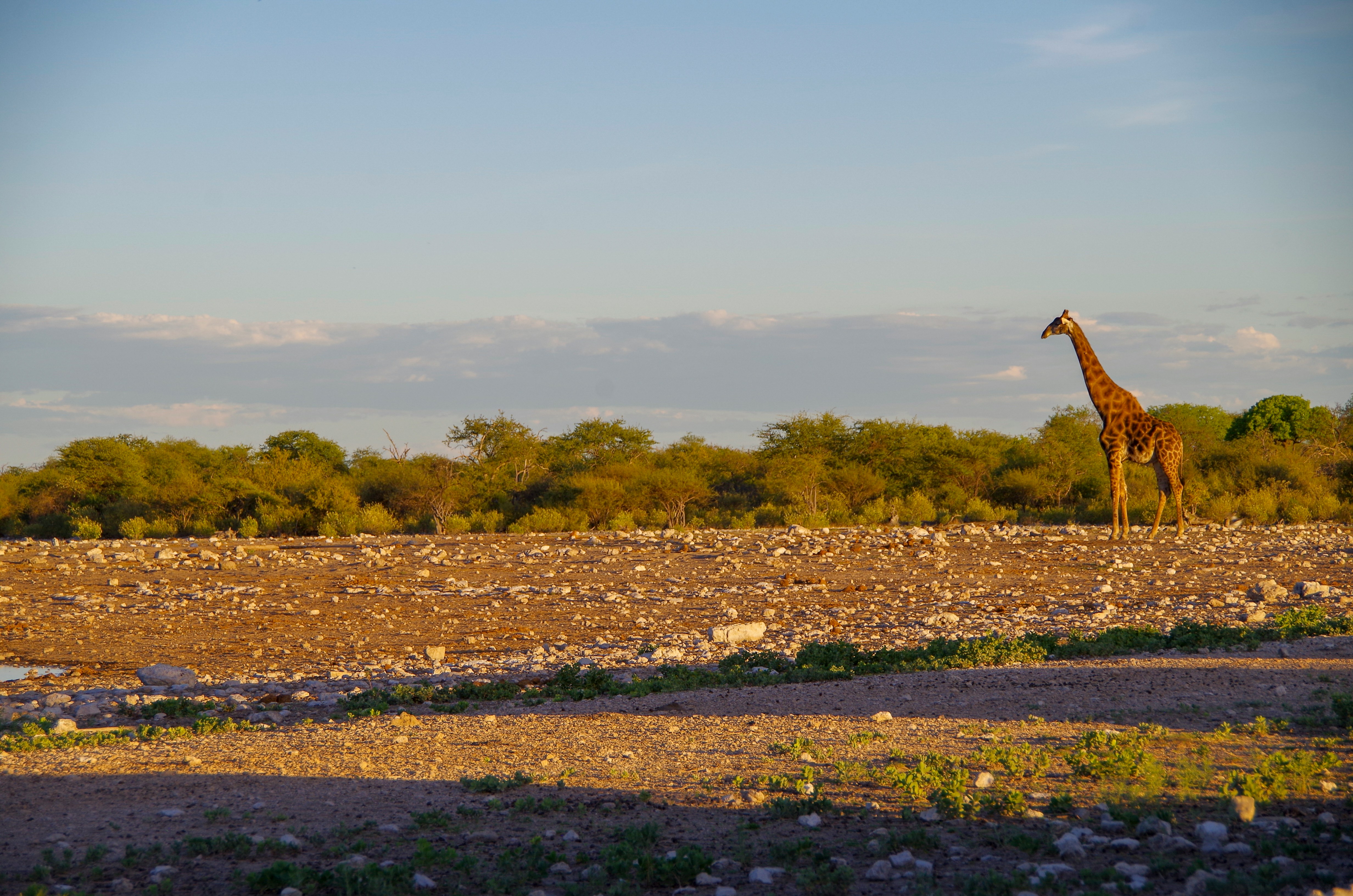
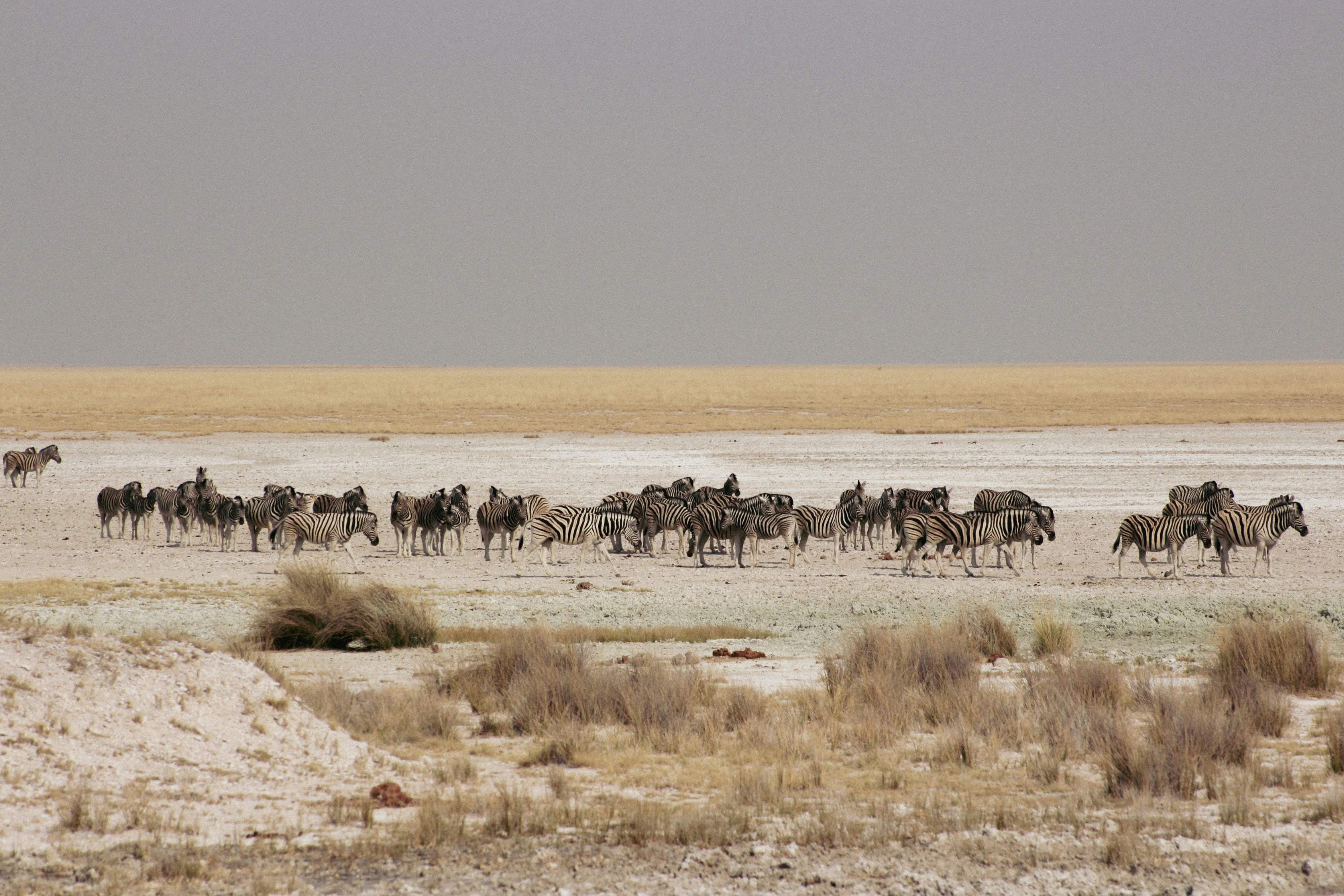
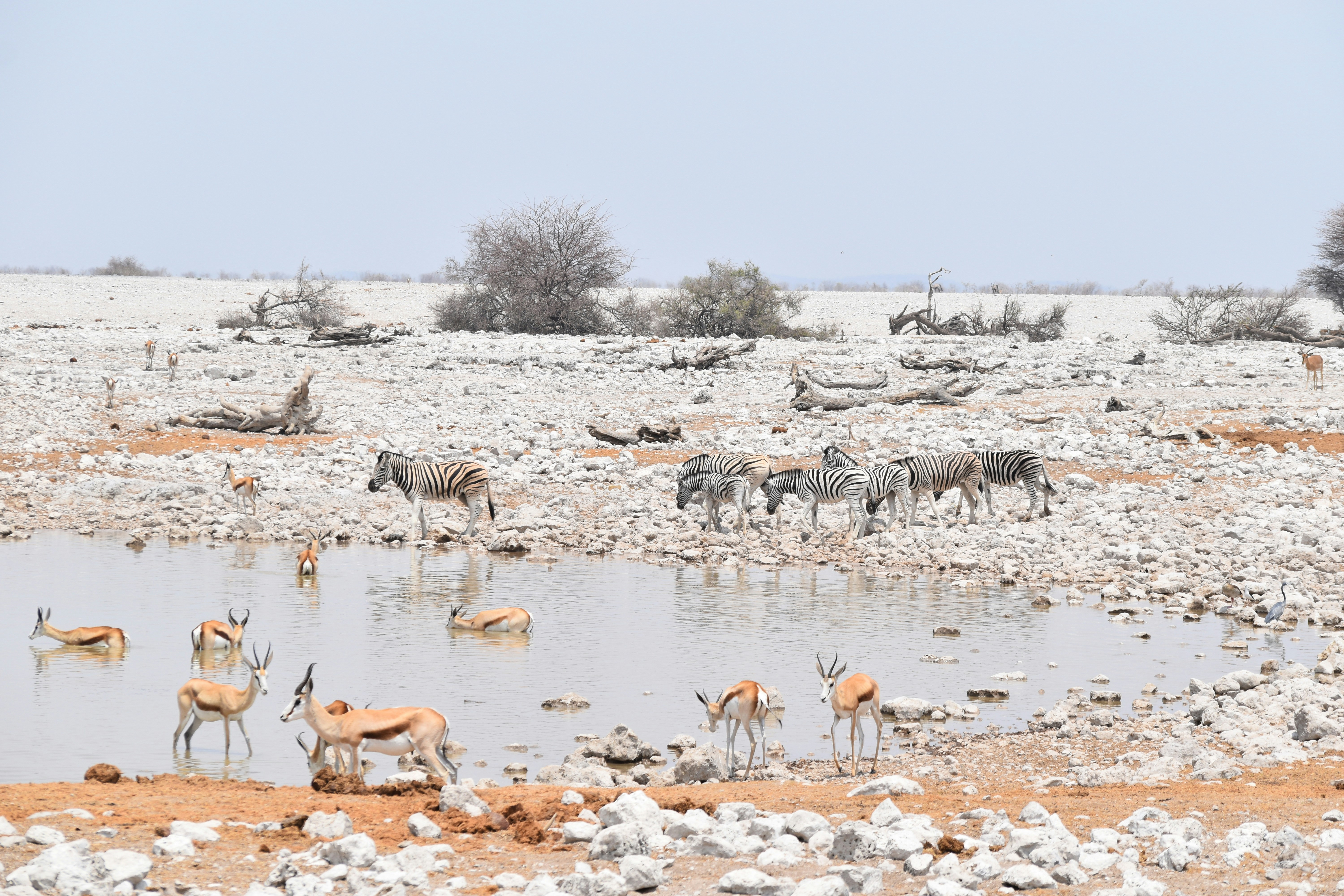
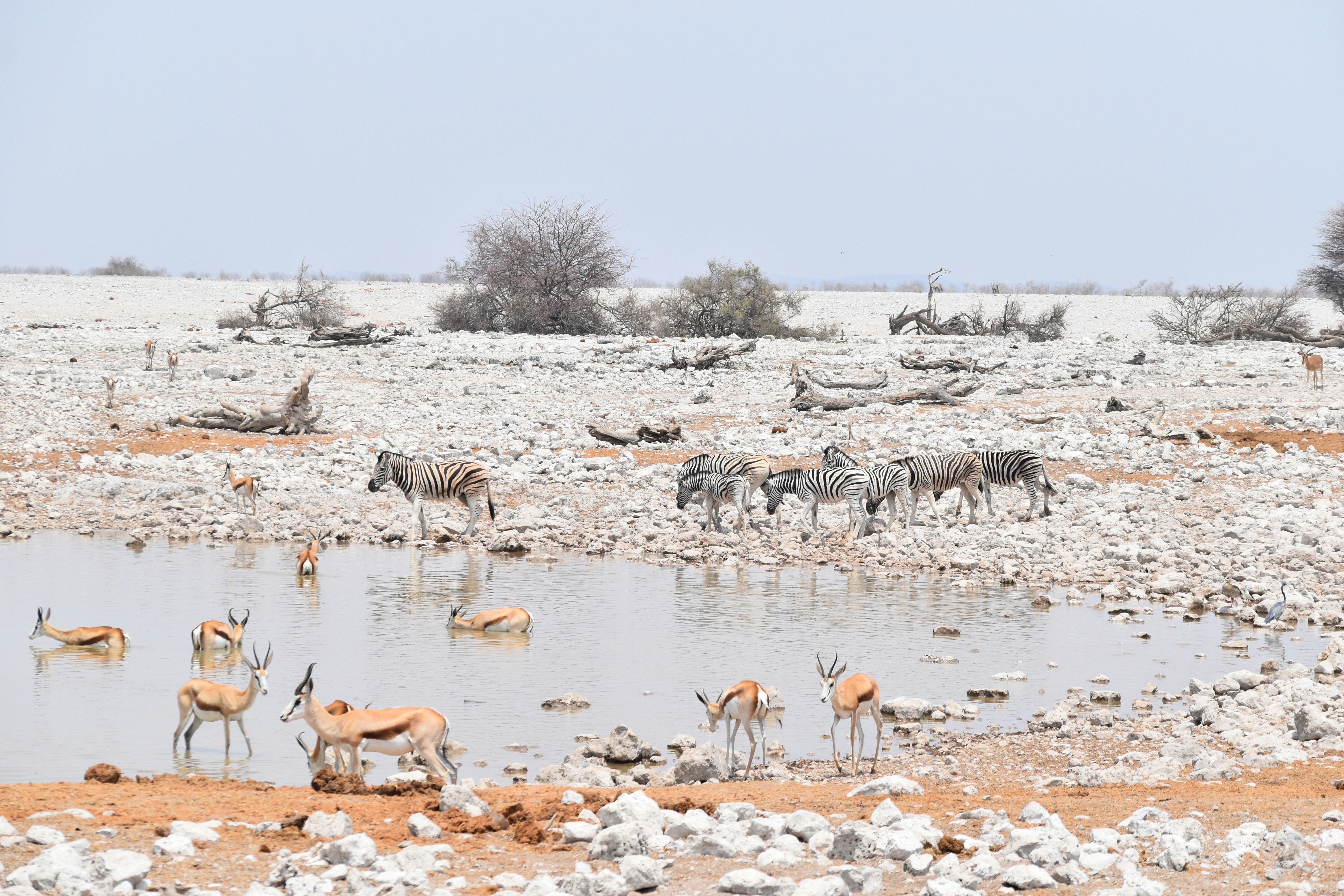
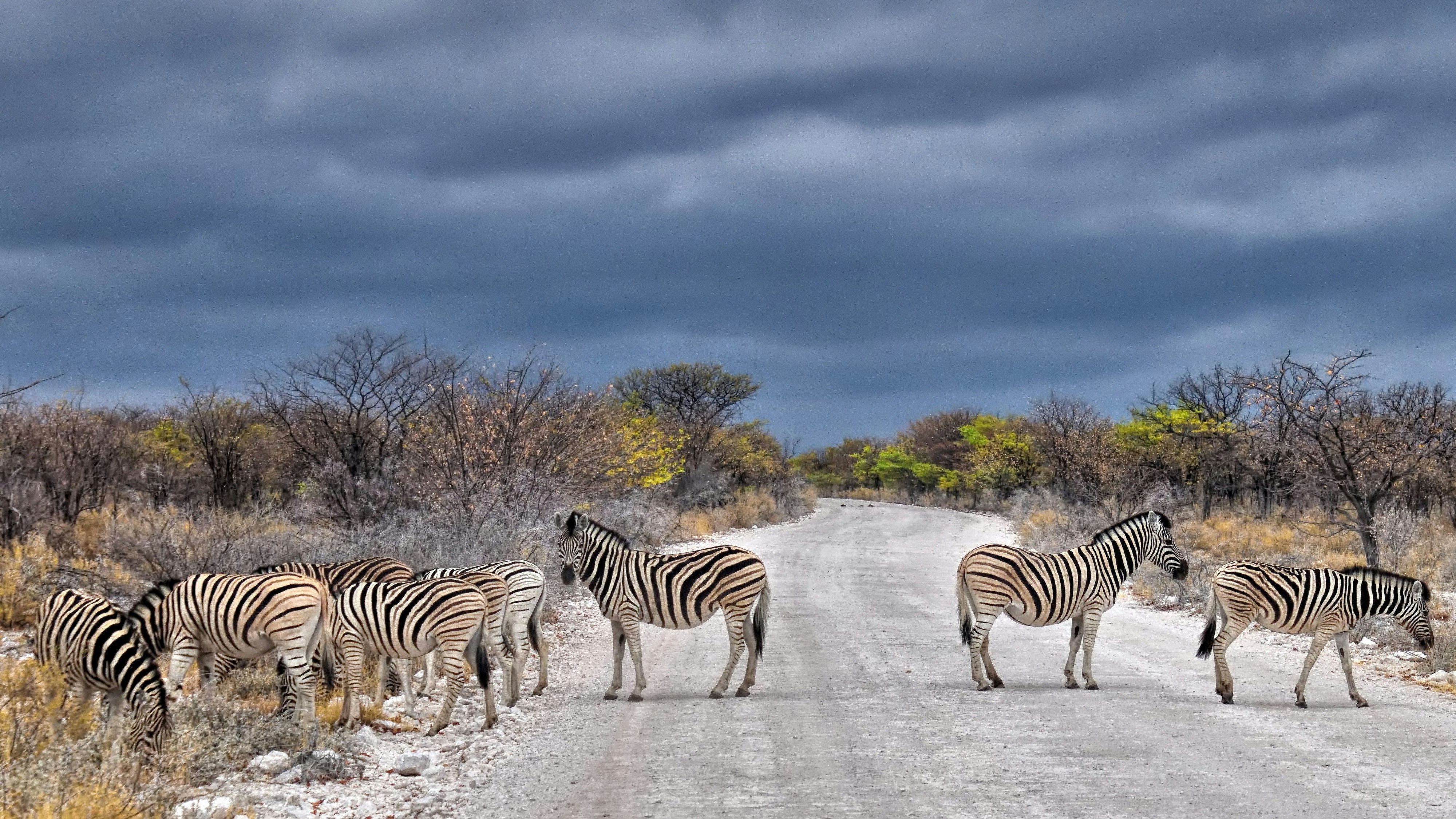
But Etosha's real magic happens at its waterholes. The park has over 40 natural and artificial waterholes scattered along the pan's edge, and during dry season (May-October), these become wildlife theaters. Park yourself at a waterhole and watch an endless procession - elephants, rhinos, lions, giraffes, zebras, springbok, oryx, and jackals all converge to drink. Predators wait. Drama unfolds.

Etosha delivers exceptional game viewing with a crucial difference from East African parks - accessibility. You can self-drive here. The park has well-maintained gravel roads, clear signage, and rest camps with accommodation, fuel, and supplies. Independent travelers love Etosha for this freedom. Guided safaris exist too, offering expert knowledge and night drives (not permitted for self-drivers).

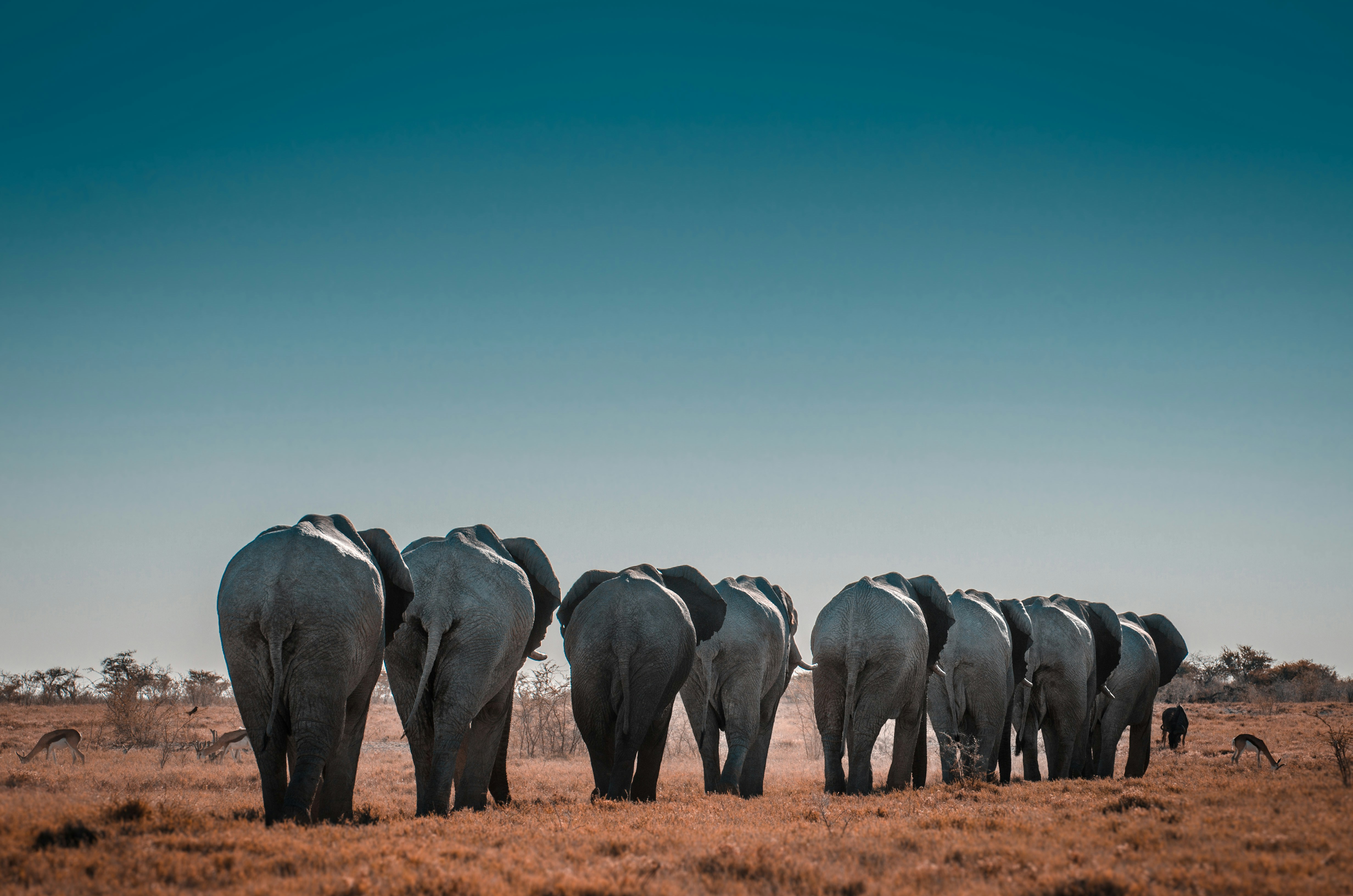
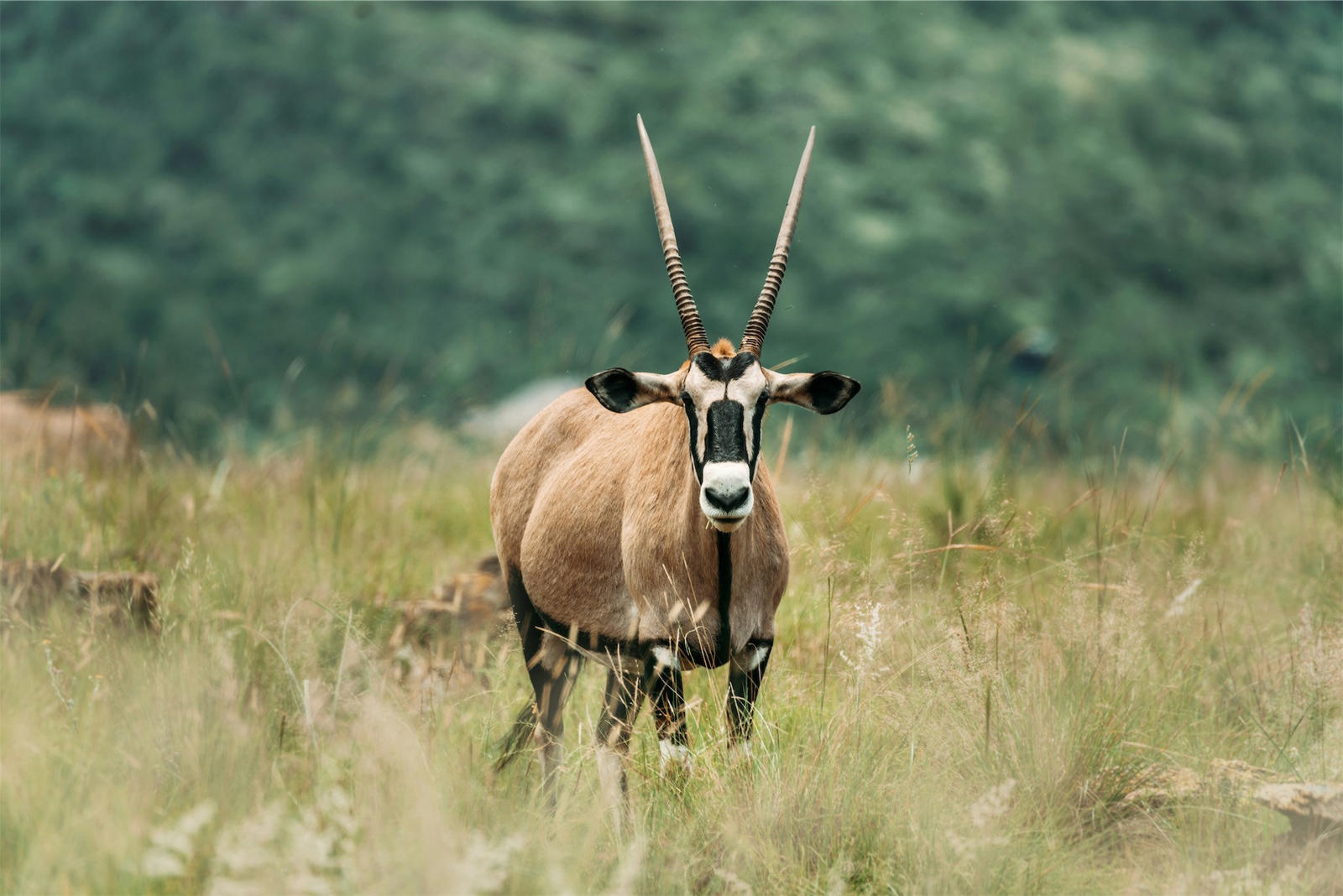
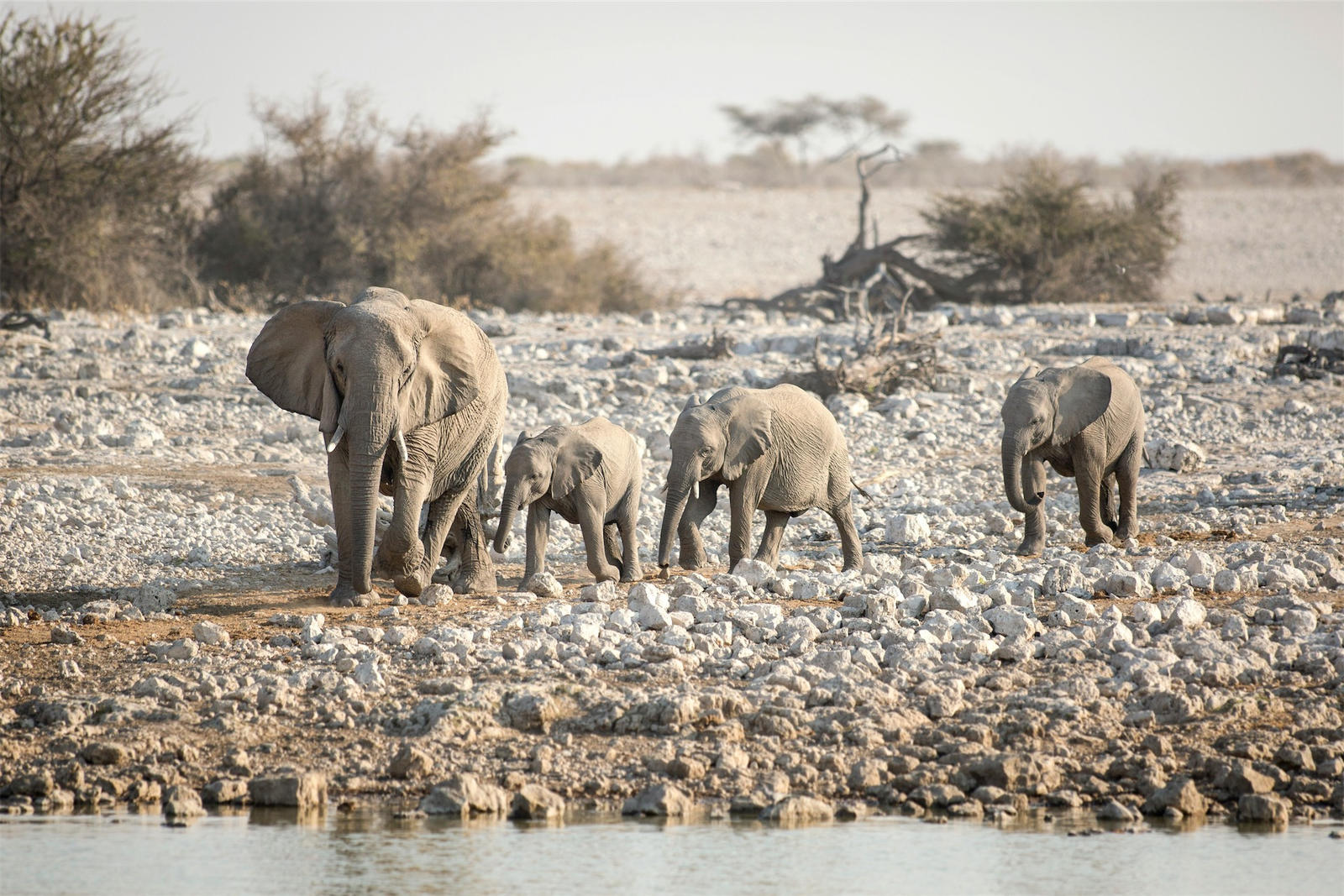
The wildlife is abundant. Elephants number in the thousands. Black rhinos are present and regularly seen - Etosha is one of Africa's best parks for rhino sightings. Lions are common. Leopards exist but are harder to spot. Cheetahs hunt the open plains. The endangered black-faced impala is endemic here.

Access is straightforward. Fly into Windhoek, Namibia's capital, then drive 5-6 hours north to Etosha's southern gates, or fly to Ondangwa and drive 1.5 hours. Most visitors combine Etosha with Namibia's other highlights - the Skeleton Coast, Sossusvlei dunes, or Damaraland.

Etosha lacks the dramatic landscapes of the Serengeti or the lush vegetation of Okavango. What it offers is stark, beautiful desert-adapted wildlife viewing with logistical simplicity rare in African safaris. 
Top Safari Regions In Etosha

private slider
Eastern Etosha (Namutoni Area)

Centered around historic Namutoni Rest Camp with its distinctive German fort. Good mix of woodland and open plains. Fisher's Pan and Klein Namutoni waterholes are excellent. Less visited than central areas. Good for self-drivers wanting quieter experiences.

private slider
Central Etosha (Halali Area)

Prime game viewing territory between Okaukuejo and Namutoni. Numerous waterholes including Goas, Salvadora, and Chudob. Dense wildlife concentrations during dry season. Halali Rest Camp positioned centrally for easy access to multiple waterholes. Best area for maximizing sightings.

private slider
Western Etosha (Okaukuejo Area)

Centered around Okaukuejo Rest Camp with its famous floodlit waterhole. Excellent rhino sightings. Open plains near the pan edge. Okaukuejo waterhole is legendary for night viewing - elephants, rhinos, lions all visit after dark, visible from camp. Most popular area, busiest during peak season.

private slider
Far Western Etosha (Dolomite and Olifantsrus)

Remote, less developed section. Requires permits and 4x4 in some areas. Hilly terrain unlike the rest of Etosha. Lower wildlife density but genuine wilderness feel. Desert-adapted species. Best for experienced Namibia travelers wanting exclusivity.

private slider
Eastern Etosha (Namutoni Area)

Centered around historic Namutoni Rest Camp with its distinctive German fort. Good mix of woodland and open plains. Fisher's Pan and Klein Namutoni waterholes are excellent. Less visited than central areas. Good for self-drivers wanting quieter experiences.

When To Visit Etosha

Timing shapes your experience dramatically. Dry and wet seasons are extreme.

img

Dry Season (May To October)

Peak safari season. As Namibia dries, Etosha's waterholes become critical wildlife magnets, concentrating animals in extraordinary numbers.

May-July: Early dry season, grass present, pleasant temperatures (20-28°C), excellent viewing without peak crowds. August-September: Prime time - maximum wildlife density, sparse vegetation, best visibility. Hot (30-35°C) but comfortable. October: Intensely hot (35-40°C+), minimal vegetation, exceptional viewing as stressed animals spend hours at water.

Waterhole sits are productive. Park at Okaukuejo, Halali, or any pan and watch elephants, rhinos, lions, giraffes cycling through. Predator encounters increase as lions stake out drinking spots.

High season means busier waterholes. Book rest camps months ahead for August-September.

Best for first-timers, photographers, self-drivers wanting guaranteed excellent game viewing.

img

Green Season (November To April)

Rains arrive. The pan occasionally floods, attracting flamingos and pelicans. The park transforms - green grasslands, wildflowers, dramatic storms, newborn animals.

Wildlife disperses as water becomes available everywhere. Game viewing is harder, less predictable. Animals aren't tied to specific waterholes. But landscapes are beautiful, birding exceptional with 340+ species, and baby animals everywhere - springbok, zebra, elephant calves.

Significantly quieter. Fewer tourists, rest camps have availability, lower prices. Roads can get slippery after heavy rains but main routes stay accessible.

Best for flexible travelers interested in landscapes and birding beyond pure game viewing, anyone wanting solitude. First-timers should stick to dry season.

Experiences Unique To Etosha

Experience the wild in comfort with our handpicked lodges and camps.

private slider
Floodlit Waterhole Viewing

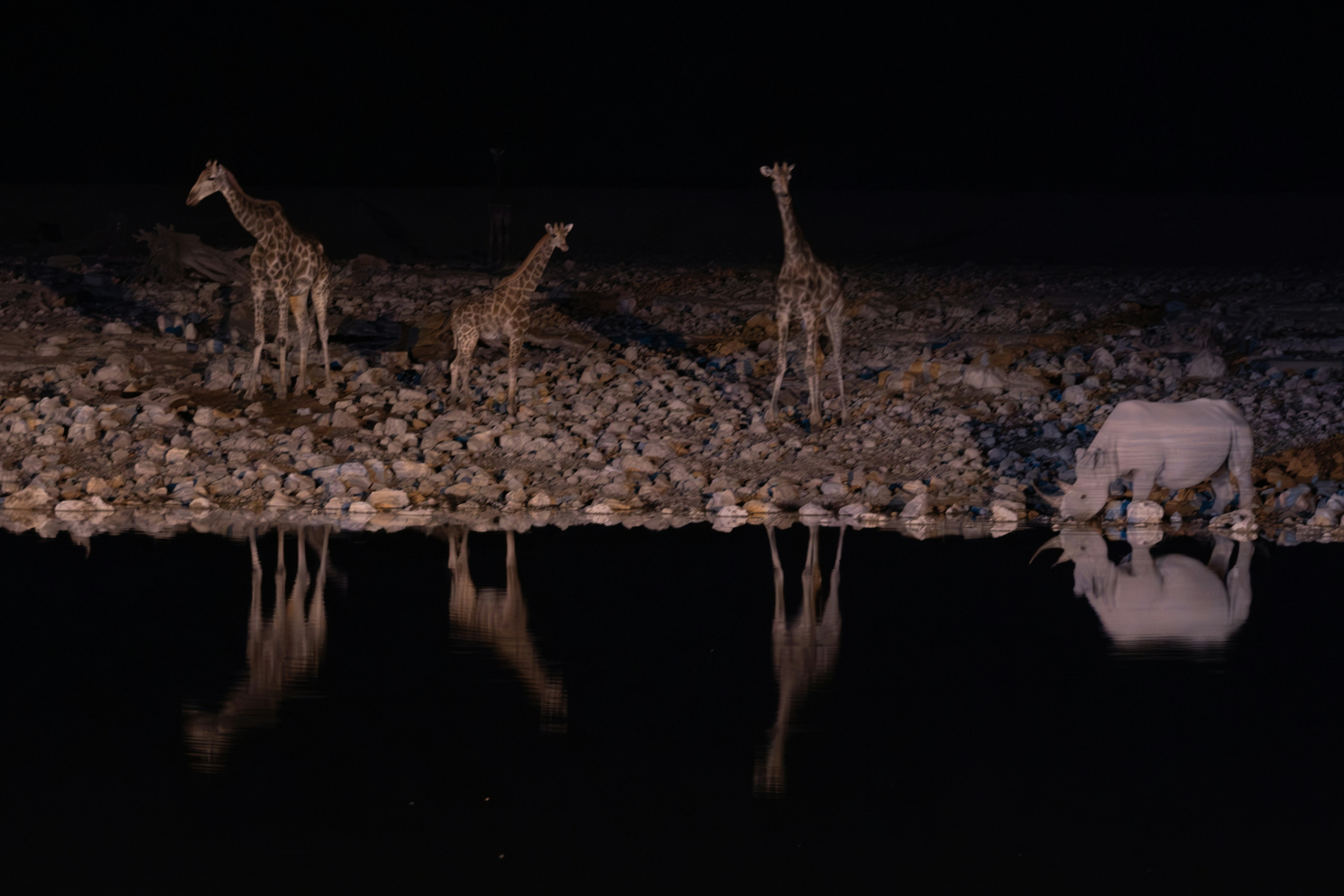
Okaukuejo and Halali rest camps have floodlit waterholes. Sit on benches after dark watching elephants, rhinos, lions, and hyenas drink meters away. No night drives needed - wildlife comes to you. Genuinely special and included free with rest camp stays.

private slider
Self-Drive Safari Freedom

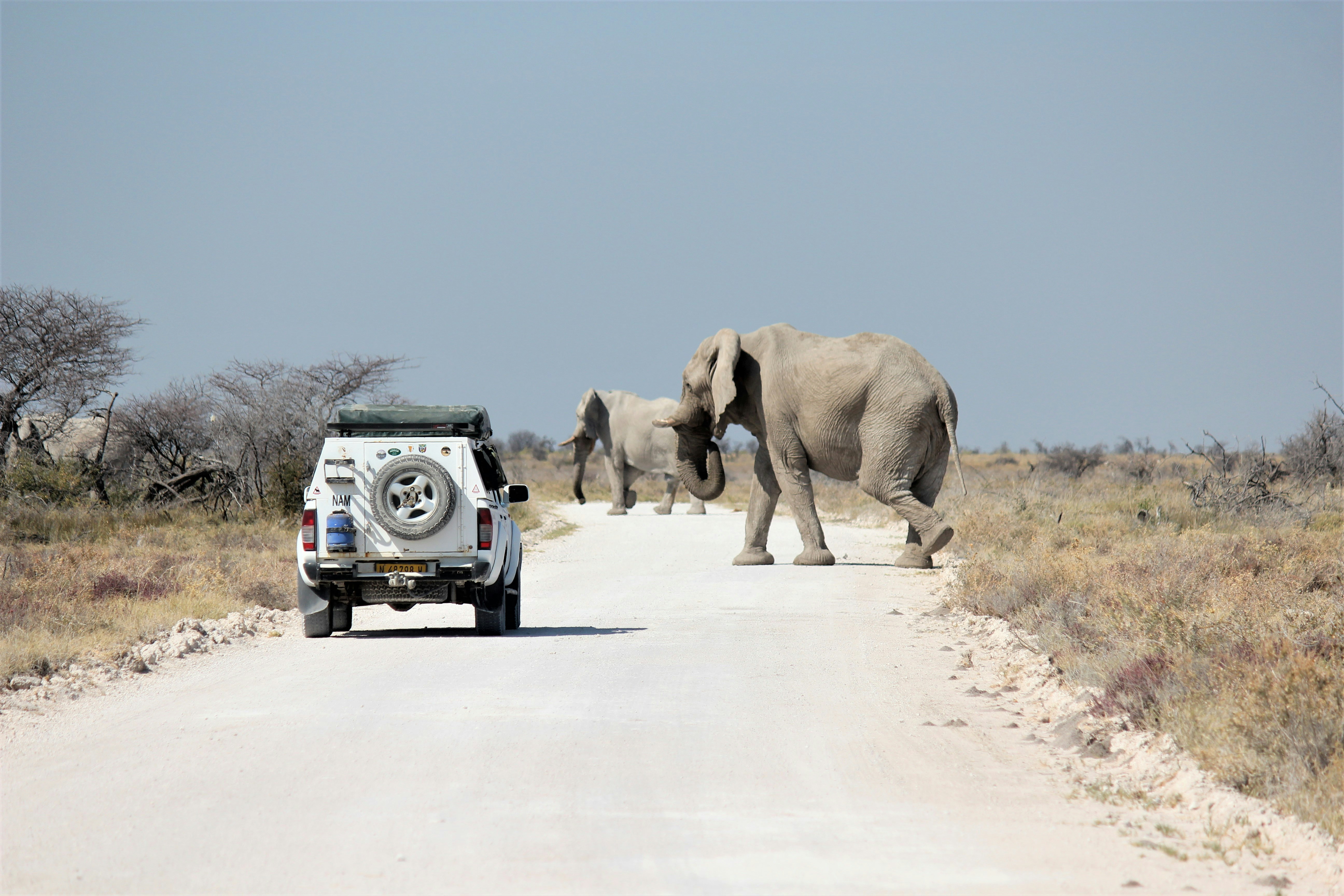
Etosha is one of Africa's best parks for independent travelers. Well-maintained roads, clear maps, affordable rest camps with camping and chalets. Drive at your own pace, spend as long as you want at waterholes. Rare freedom compared to most African parks.

private slider
Rhino Sightings

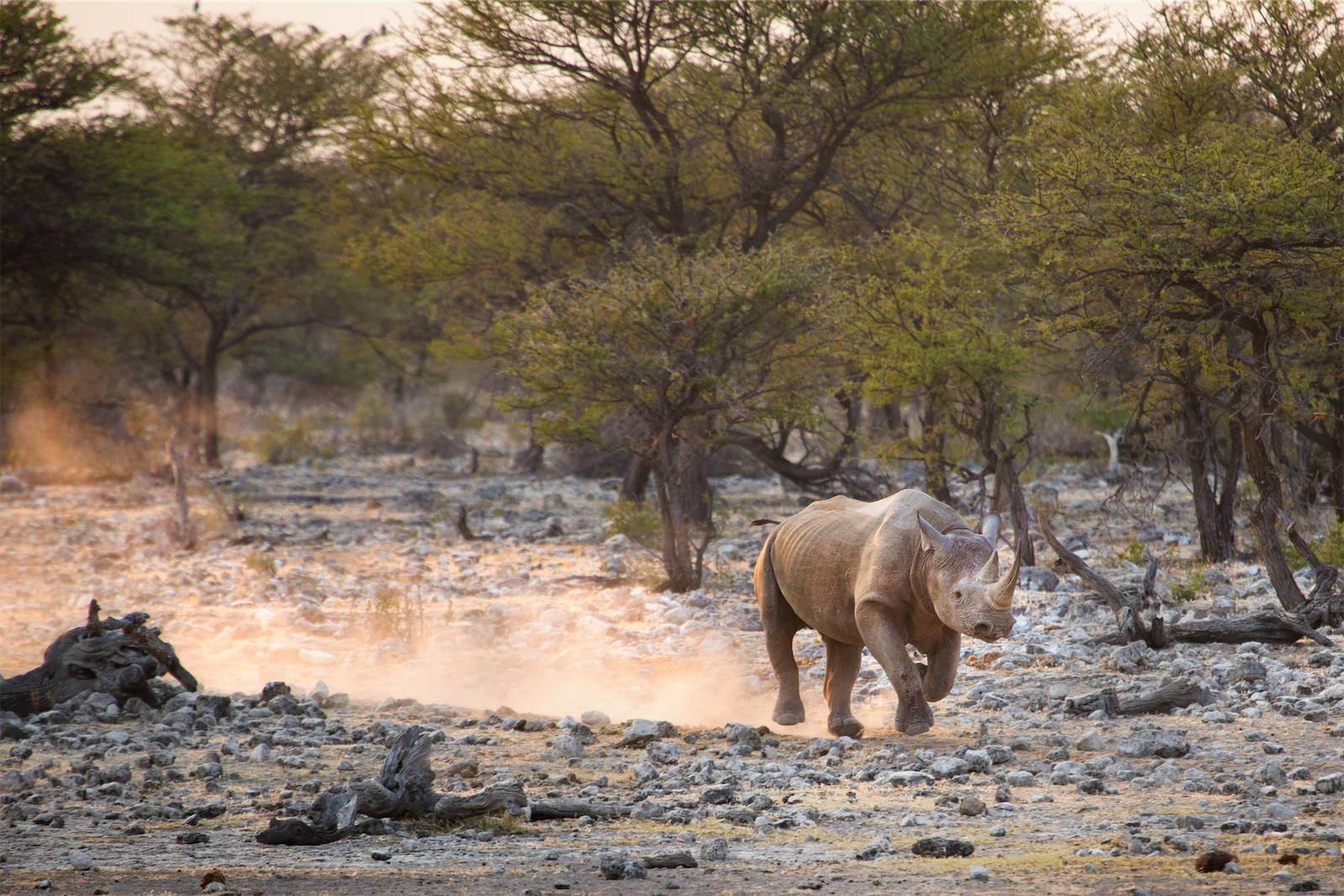
Etosha supports one of Africa's largest black rhino populations. Regular sightings, especially at Okaukuejo waterhole and throughout western sections. White rhinos also present. This is one of the continent's most reliable parks for rhino encounters.

private slider
Salt Pan Landscapes

The Etosha Pan itself is otherworldly - endless white expanse stretching to mirages on the horizon. Drive along the pan edge for surreal photography. After rare floods, flamingos arrive in thousands creating pink carpets against white salt.

private slider
Floodlit Waterhole Viewing

Okaukuejo and Halali rest camps have floodlit waterholes. Sit on benches after dark watching elephants, rhinos, lions, and hyenas drink meters away. No night drives needed - wildlife comes to you. Genuinely special and included free with rest camp stays.

Frequently Asked Questions

Q: What's the best time to see wildlife in Etosha?

Arrow

A: Dry season, especially August through October. Wildlife concentrates at waterholes in massive numbers during these months. You'll see elephants, rhinos, lions, and plains game daily. May-July is also excellent with fewer tourists and pleasant temperatures. Green season (November-April) has wildlife but it's dispersed and harder to find.

Q: Can you self-drive in Etosha?

Arrow

A: Yes, and it's one of Etosha's major advantages. Roads are well-maintained gravel, signage is clear, and rest camps provide accommodation, fuel, and supplies. You need a normal 2WD vehicle for main routes, though 4x4 helps in rainy season and far western areas. Self-driving gives flexibility to spend as long as you want at productive waterholes. However, self-drivers can't do night drives - only guided vehicles can leave camps after dark.

Q: Is Etosha good for rhinos?

Arrow

A: Excellent. Etosha has one of Africa's best black rhino populations, and sightings are regular, especially around Okaukuejo waterhole and western sections. White rhinos are also present. You have a very good chance of seeing rhinos during a 3-4 day Etosha visit. This is one of the few parks where rhinos feel almost guaranteed rather than lucky bonus sightings.

Q: Where should I stay in Etosha?

Arrow

A: For first-timers, Okaukuejo Rest Camp is best - central location, famous floodlit waterhole, good facilities. Halali works well for accessing both eastern and western areas. Namutoni is quieter, good if you prefer fewer tourists. If self-driving, stay at multiple camps to cover different areas. Private lodges outside park boundaries offer luxury but you'll spend time driving in and out of gates daily.

Q: How does Etosha compare to Kruger or other Southern African parks?

Arrow

A: Etosha is drier, more open, centered around waterhole viewing rather than general game drives. Wildlife density at waterholes during dry season rivals anywhere, but you're doing less driving to find animals - you park and let them come to water. Kruger is larger, more varied habitat, better infrastructure. Etosha is easier for self-drivers, more affordable, better for rhinos. Both excellent. Choose Kruger for diversity and infrastructure, Etosha for waterhole spectacle and accessibility.

Q: Are there Big Five in Etosha?

Arrow

A: Four of the Big Five. Lions, elephants, leopards, and both black and white rhinos are all present. No buffalo - they don't occur naturally in this arid region of Namibia. Leopards are the hardest to see due to sparse tree cover and their secretive nature, but they're definitely present. Lions, elephants, and rhinos are all regularly seen.

Q: How long should I spend in Etosha?

Arrow

A: Minimum 3 nights, ideally 4-5. This allows time to visit multiple waterholes, cover different areas of the park, and increase odds of diverse sightings. Self-drivers often spend 4-5 nights moving between rest camps. Guided safari visitors typically do 3-4 nights. One or two nights feels rushed - you'll see wildlife but won't experience the rhythm of waterhole watching properly.

Q: Is malaria a risk in Etosha?

Arrow

A: Low risk but not zero. Etosha is in a malaria area, though risk is lower than tropical African parks. Risk is highest November-May (wet season), lower June-October (dry season). Many travelers skip prophylaxis for Etosha, but consult a travel clinic for personal risk assessment. Rest camps provide mosquito nets. Standard precautions apply regardless.

Q: What's the difference between Etosha's rest camps and private lodges?

Arrow

A: Rest camps (Okaukuejo, Halali, Namutoni, Dolomite) are inside the park - government-run, affordable, basic but comfortable. You're already at waterholes when you wake up. Private lodges sit outside park boundaries - more luxury, better food and service, but you drive 30-60 minutes to enter gates each morning. Rest camps offer better value and convenience for self-drivers. Private lodges suit travelers wanting comfort and guided experiences.

img

Tuskari’s Impact in Etosha National Park

Every booking through Tuskari supports conservation and community initiatives in and around Etosha. The operators we partner with contribute to rhino monitoring programs, anti-poaching efforts, and community development projects in northern Namibia.

View Trips in Etosha National Park