bannerimg

Bwindi Impenetrable Forest

Half the world's mountain gorillas live here. And nowhere else feels quite like it..

Why Visit Bwindi?.

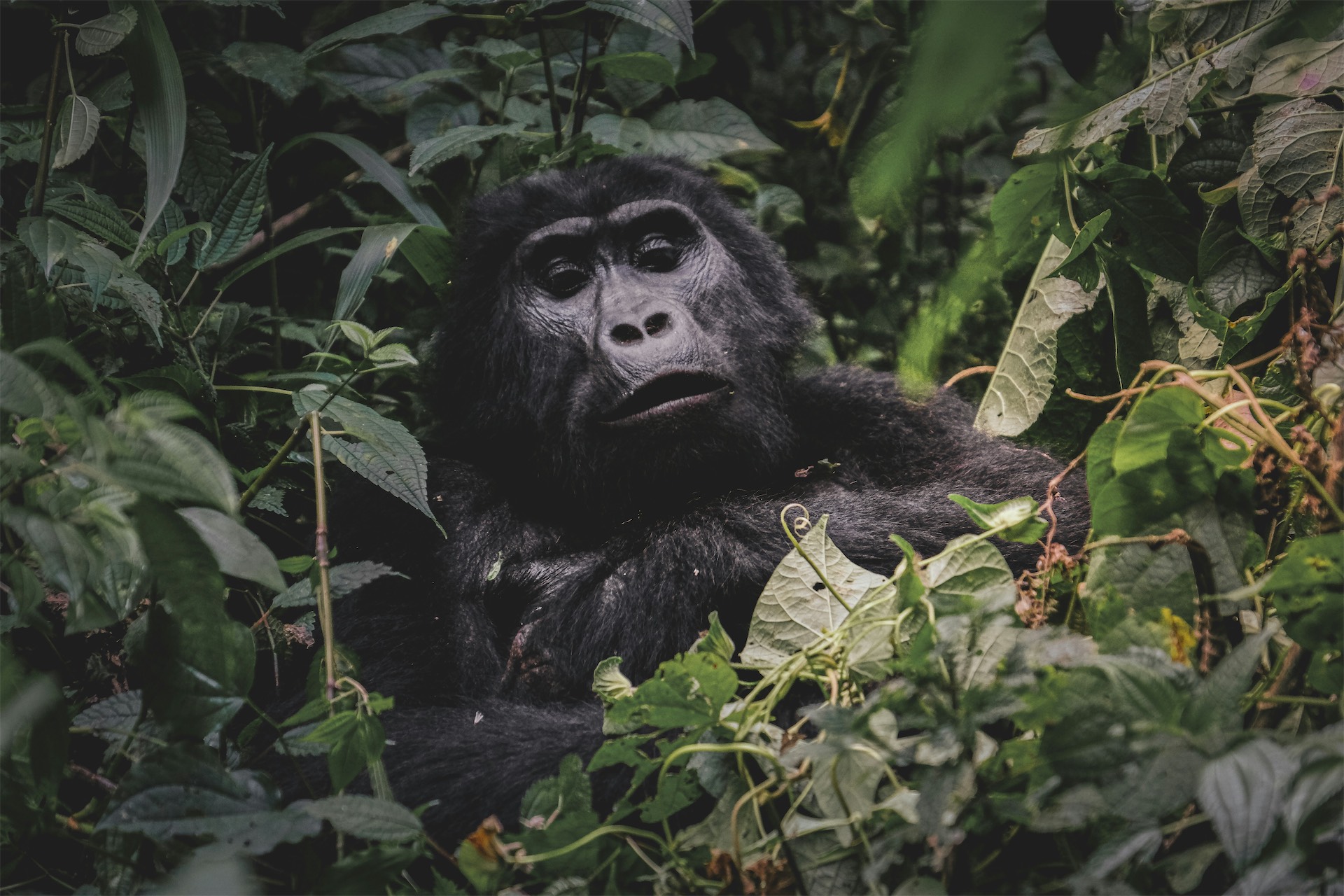
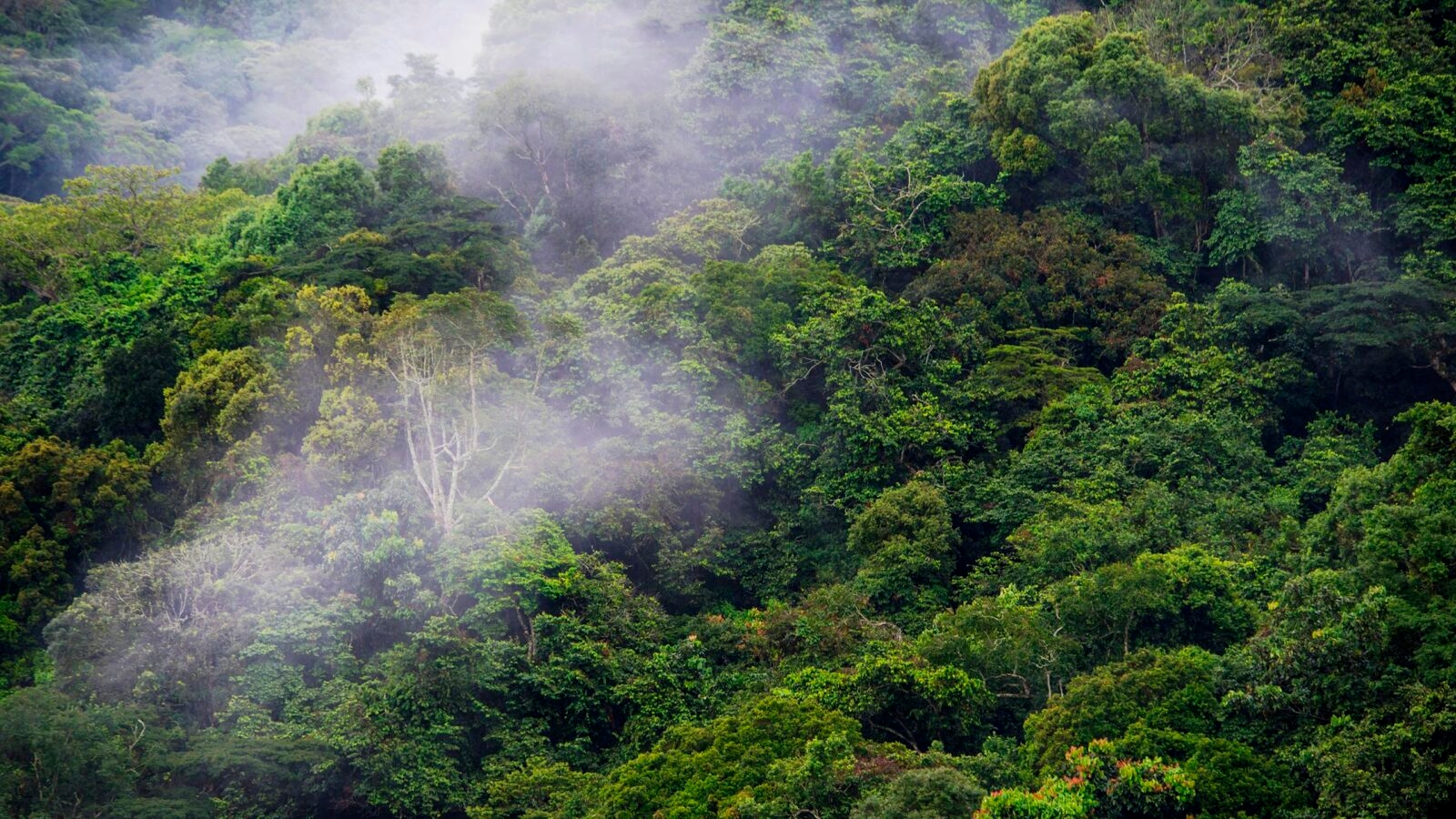
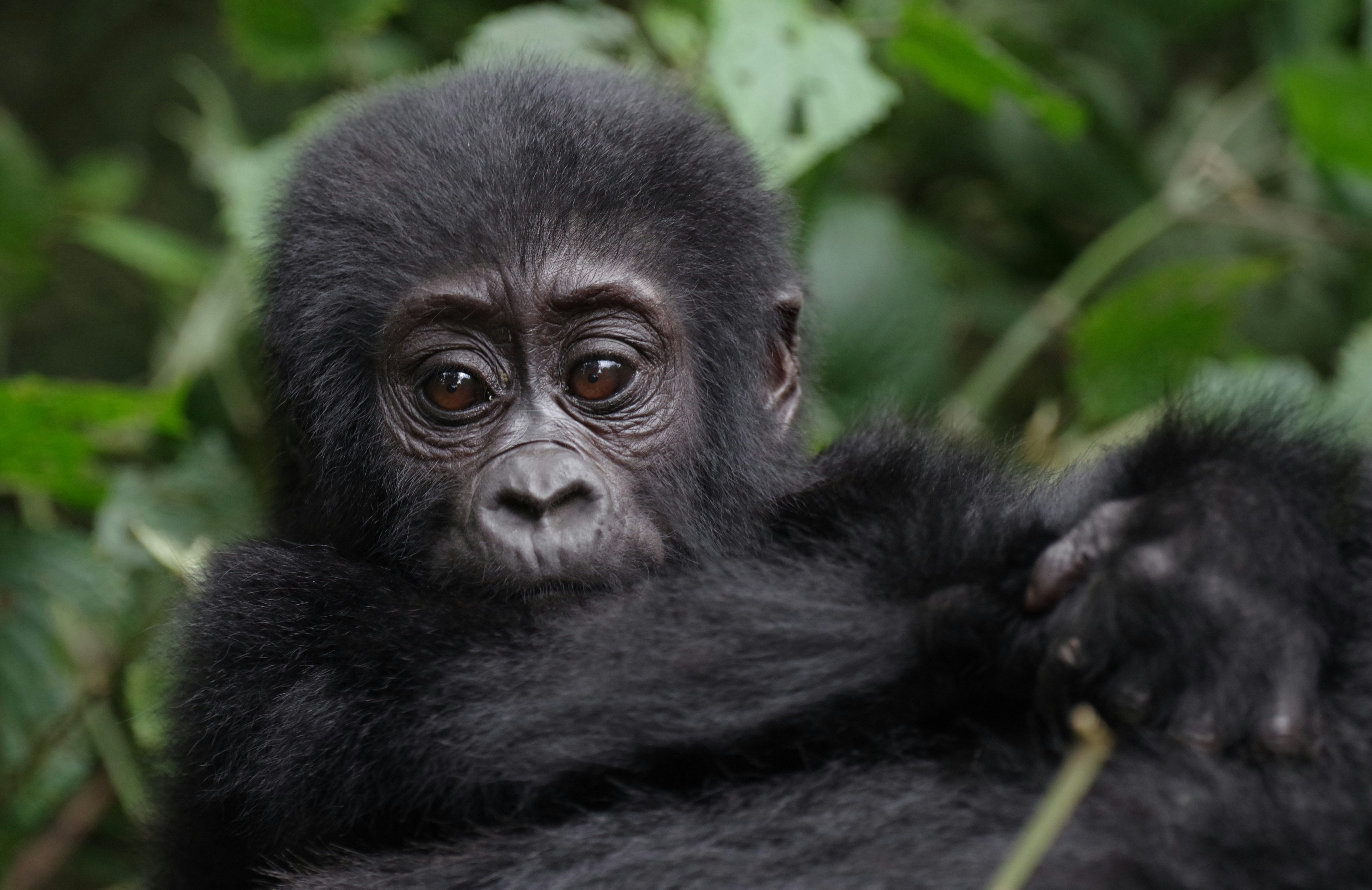
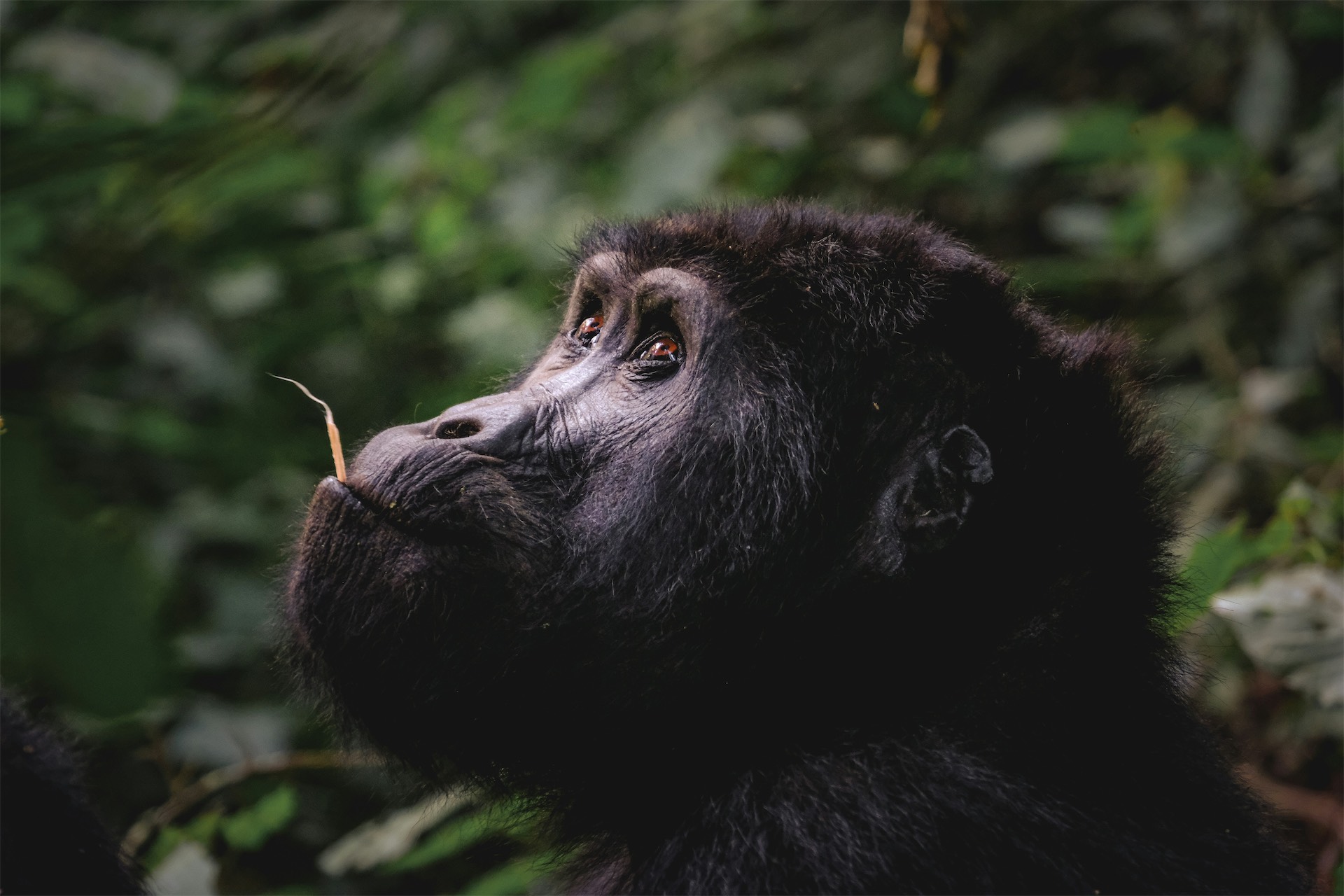
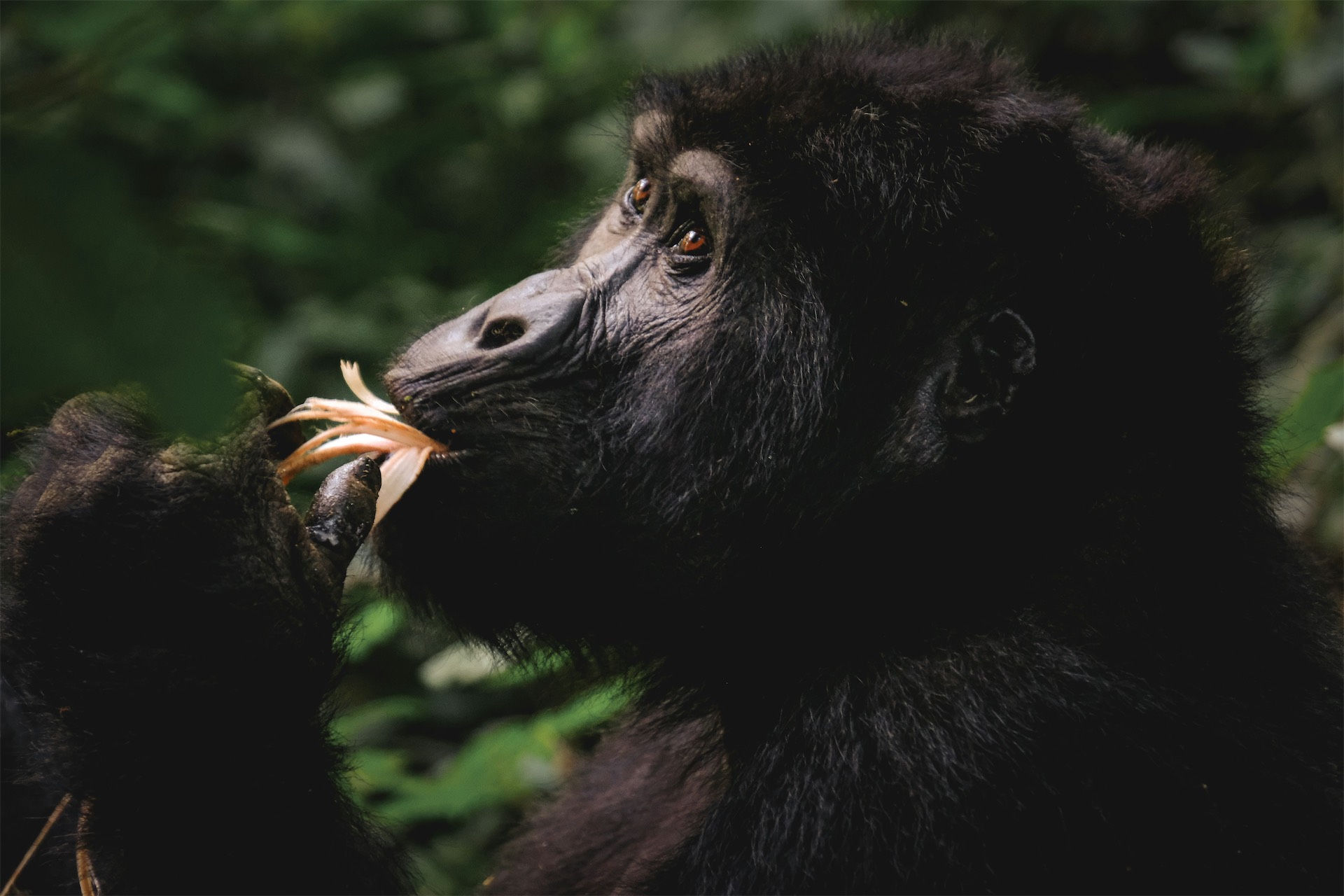
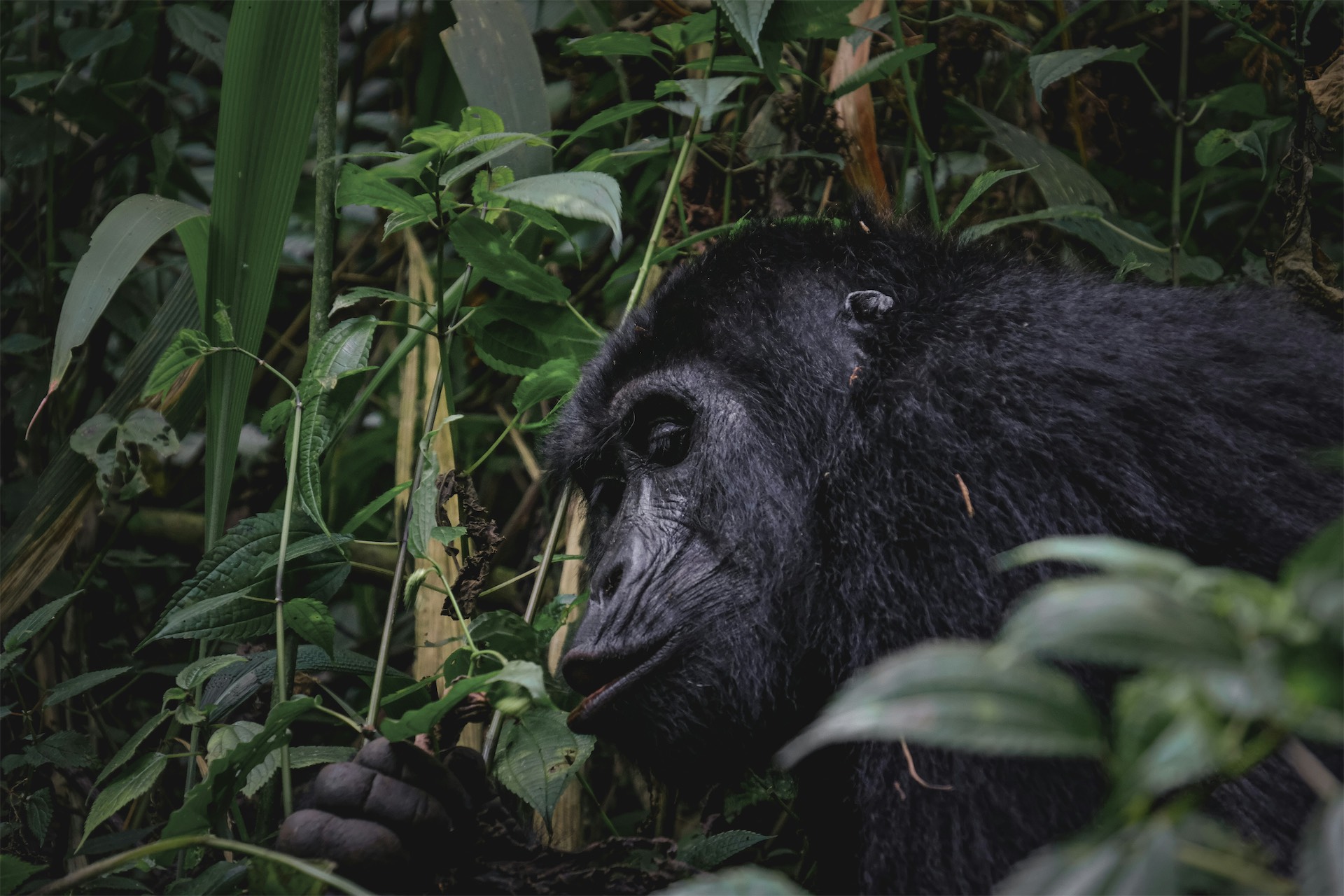
Bwindi is a UNESCO World Heritage Site in southwestern Uganda, protecting roughly half of the world's remaining mountain gorillas—around 459 individuals across multiple habituated family groups. This is the reason most people come. Gorilla trekking here is different from Rwanda's Volcanoes National Park. Bwindi is ancient montane rainforest, steep and tangled, and the trek can be genuinely physical.

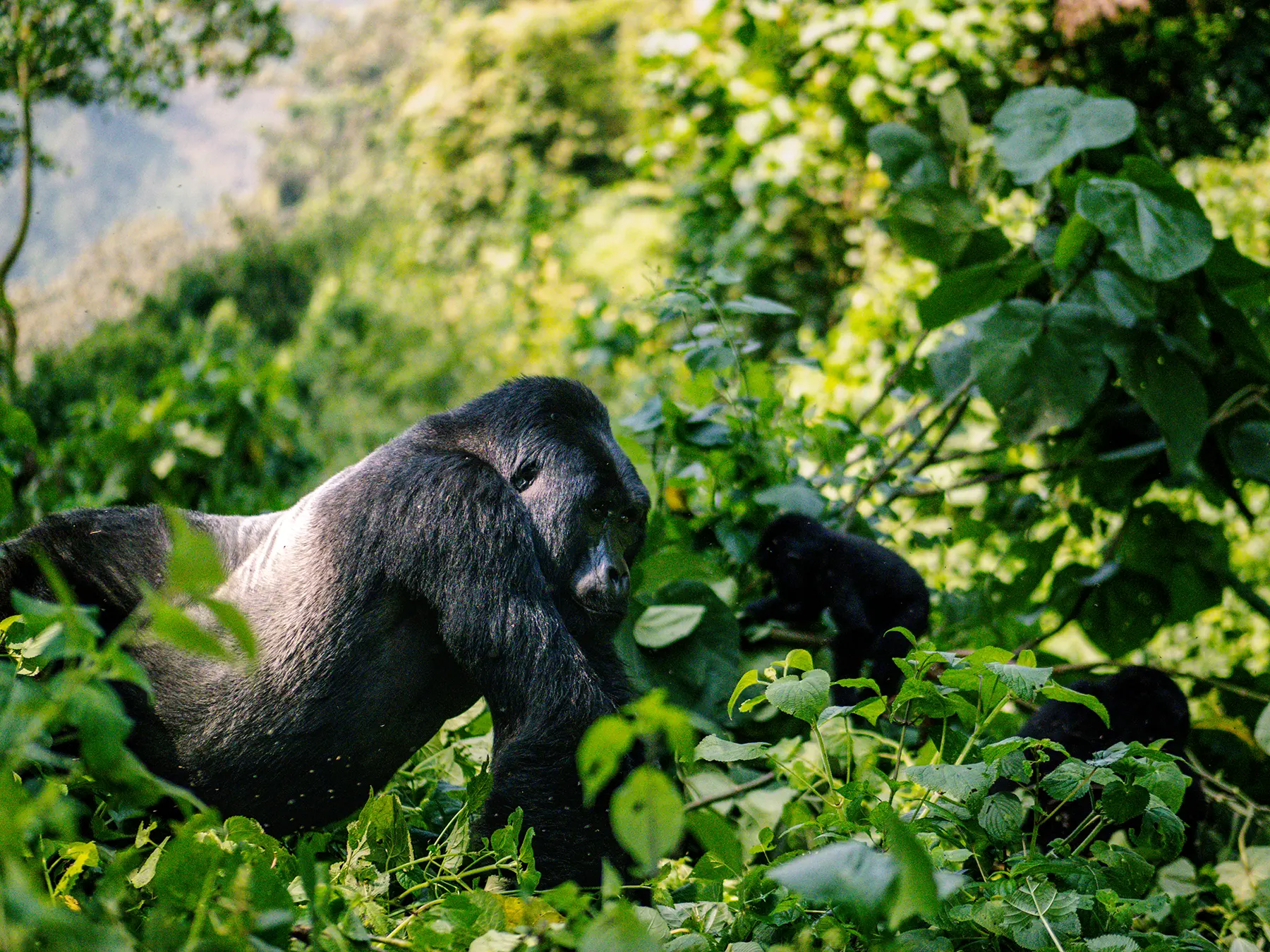
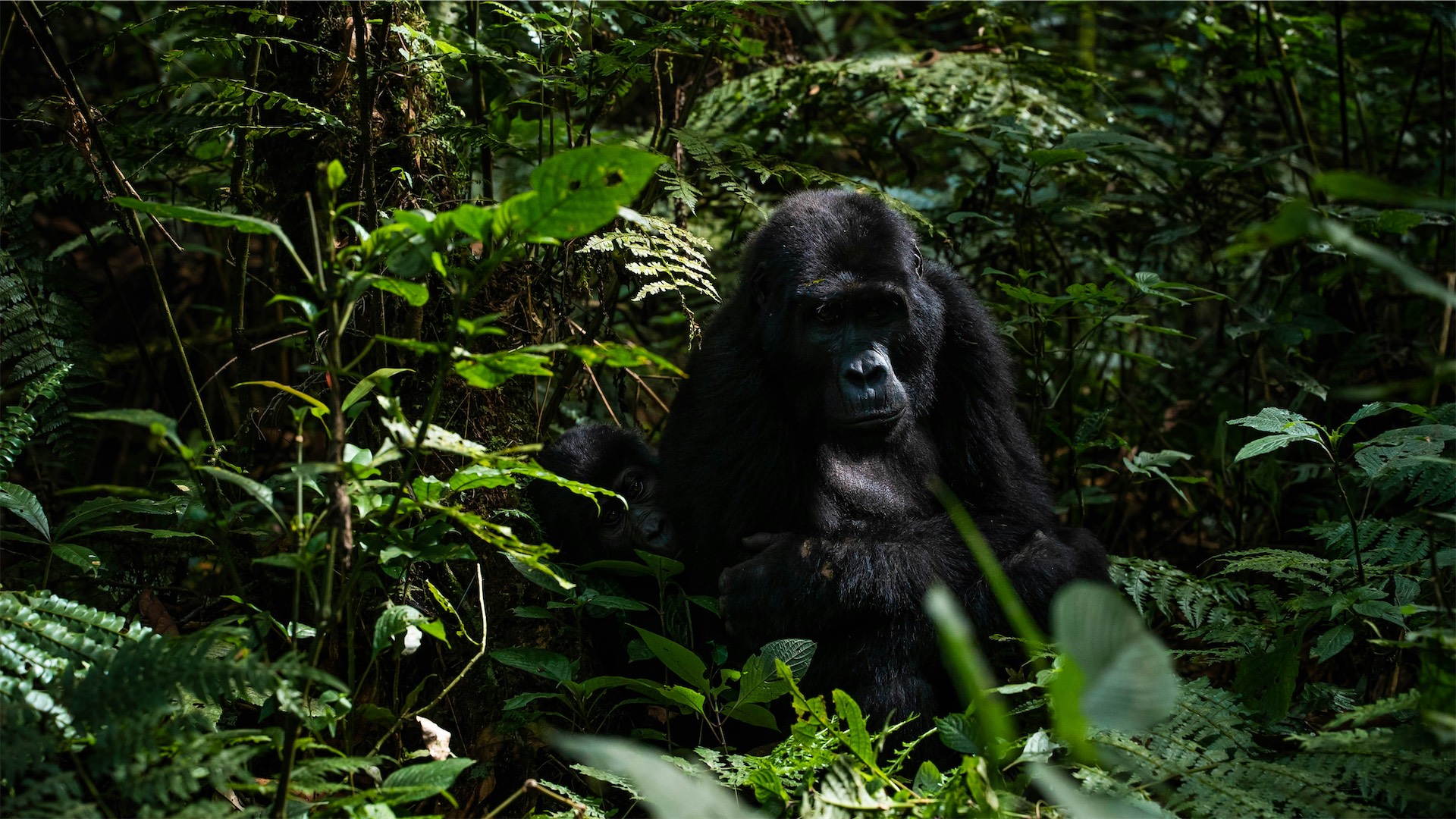
The forest itself is 25,000 years old and harbors over 120 mammal species, 350 bird species, and 220 butterfly species. But let's be honest—gorillas are why you're here. Watching a silverback sit three meters away, or juveniles play in the undergrowth while their mother feeds, is as close to a religious experience as wildlife gets.

There are four main sectors for gorilla trekking—Buhoma, Ruhija, Rushaga, and Nkuringo. Each has different habituated groups. Permits are limited to eight people per group per day. You get one hour with the gorillas once you find them. The trek to reach them can be 30 minutes or six hours depending on where the family moved overnight.

Bwindi isn't easy access. You're looking at a five to six-hour drive from Entebbe, or a flight to Kihihi airstrip followed by road transfer. The terrain is genuinely impenetrable in places—thick vegetation, steep slopes, muddy trails. This keeps crowds manageable and preserves the sense that you've earned the encounter.

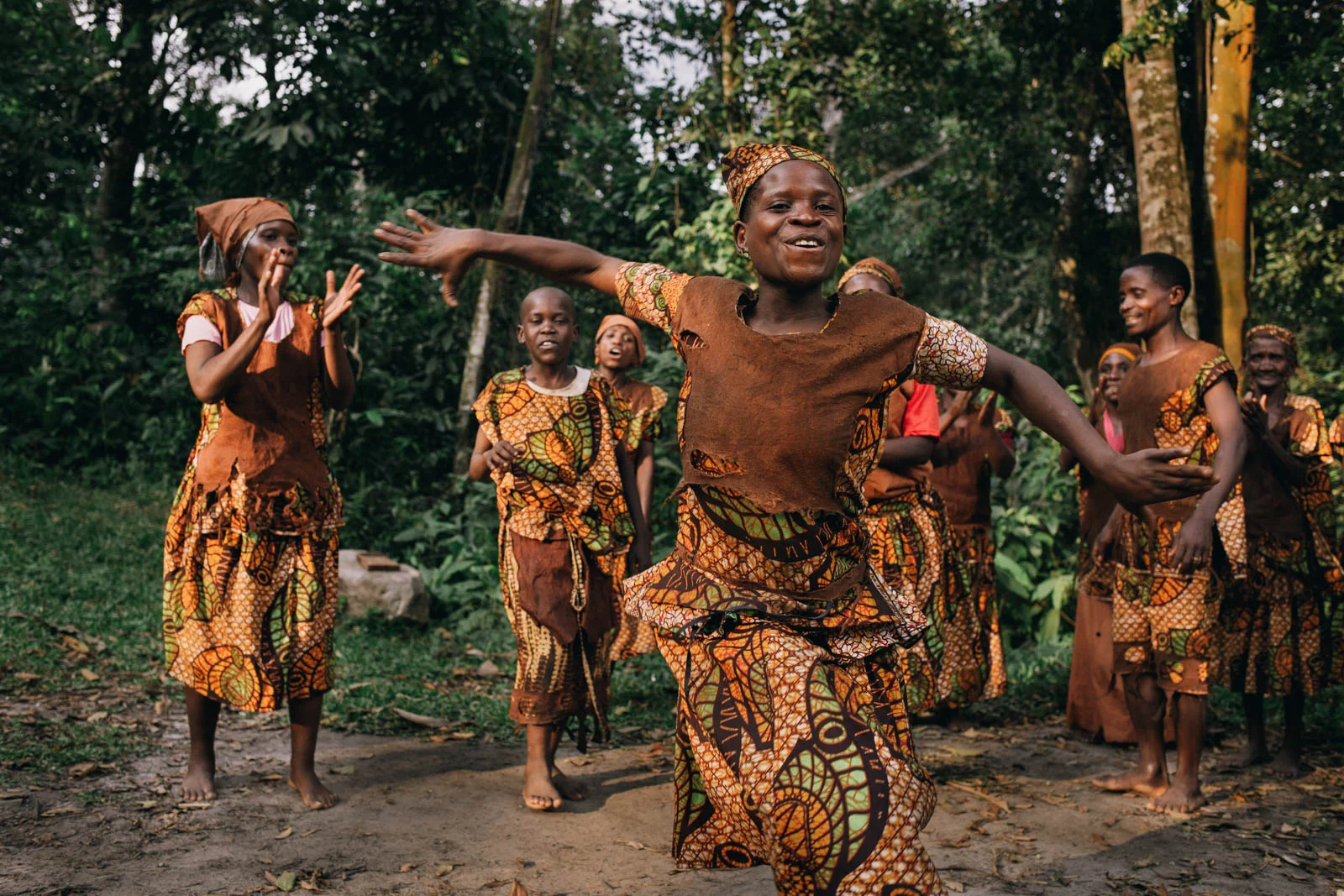
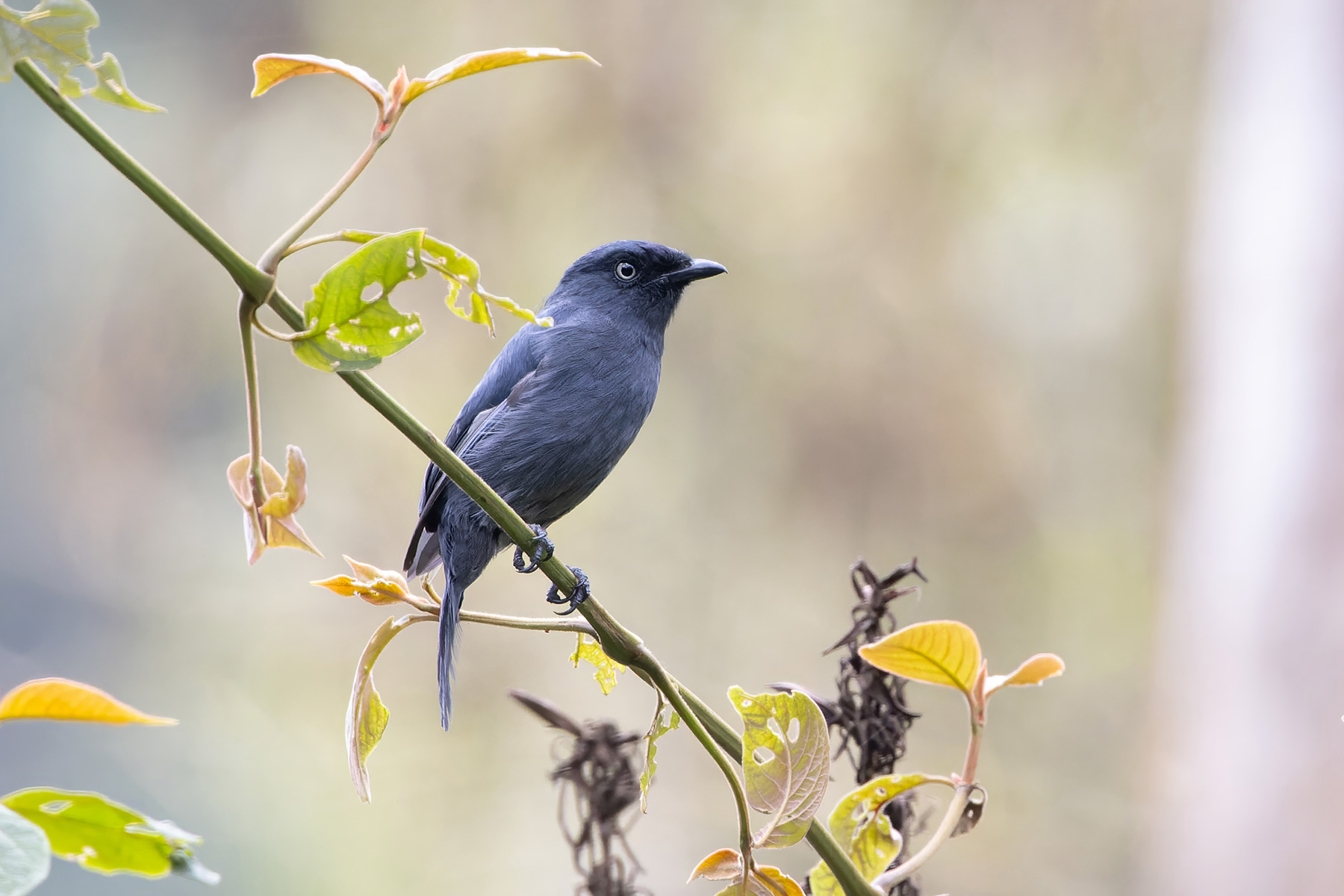
Beyond gorillas, Bwindi offers forest walks, bird watching (23 Albertine Rift endemics), and cultural experiences with the Batwa pygmy communities who originally inhabited the forest. But gorillas remain the singular draw.
Top Safari Regions In Bwindi.

private slider
Buhoma Sector (North)

The original trekking area. Most developed infrastructure with established lodges. Four habituated gorilla groups. Easier terrain compared to southern sectors.

private slider
Ruhija Sector (East)

Highest elevation, cooler temperatures. Excellent for birding—Albertine Rift endemics concentrated here. Three habituated groups. Quieter than Buhoma.

private slider
Rushaga Sector (South)

Most habituated groups—eight families. Best availability for last-minute permits. Steeper terrain, more physically demanding treks. Less developed lodge options.

private slider
Nkuringo Sector (South)

Dramatic ridgeline location with sweeping views. Two habituated groups. Challenging terrain—very steep descents and climbs. Remote feel, fewer tourists.

private slider
Buhoma Sector (North)

The original trekking area. Most developed infrastructure with established lodges. Four habituated gorilla groups. Easier terrain compared to southern sectors.

When To Visit Bwindi

The forest is accessible year-round, but conditions change dramatically with the rains.

img

Dry Seasons (June To September, December To February)

Trails are drier and more manageable. June to September is peak season—clearer paths, easier footing, but also highest permit demand and lodge occupancy. December to February is shorter dry season, less crowded than mid-year.

Weather is cooler at altitude. Mornings can be cold, especially in Ruhija. Rain still possible—this is rainforest—but frequency drops. Trails muddy in shaded areas regardless of season.

Gorilla behavior doesn't change with season. They're active year-round. Dry season simply makes the physical trek easier.

Permits book months ahead for June through September. December and January also competitive. If you have fixed dates, secure permits early—six months minimum for peak periods.

img

Wet Seasons (March To May, October To November)

Heavy rains. Trails become slippery and challenging. March to May is long rains—expect daily afternoon downpours. October to November is short rains, less intense but still wet.

This is low season. Permits easier to secure, lodges have availability, some offer discounted rates. Fewer trekkers on trails.

Forest is lush and green. Photography challenging in low light and rain. Vegetation thicker, which can make gorilla viewing harder when they're deep in undergrowth.

Physical difficulty increases significantly. Steep slopes become muddy and treacherous. Good boots and gaiters essential. Porters highly recommended—they're affordable and make a real difference.

If you're reasonably fit and prepared for mud, wet season offers solitude and better permit availability. If mobility is a concern, stick to dry season.

Experiences Unique To Bwindi

-

private slider
Mountain Gorilla Trekking

Track habituated gorilla families through montane rainforest. One hour with them once located. Trek duration varies—30 minutes to six hours depending on the group.

private slider
Batwa Cultural Experience

Meet the Batwa pygmy communities, the forest's original inhabitants. Learn traditional hunting techniques, medicinal plants, and survival skills passed down generations.

private slider
Forest Bird Watching

23 Albertine Rift endemic species found here. Guided birding walks through various forest elevations. Ruhija sector particularly strong for serious birders.

private slider
Mountain Gorilla Trekking

Track habituated gorilla families through montane rainforest. One hour with them once located. Trek duration varies—30 minutes to six hours depending on the group.

private slider
Batwa Cultural Experience

Meet the Batwa pygmy communities, the forest's original inhabitants. Learn traditional hunting techniques, medicinal plants, and survival skills passed down generations.

Frequently Asked Questions

Q: How much does a gorilla trekking permit cost in Bwindi?

Arrow

A: $800 USD per person for foreign non-residents as of 2024. This is the Uganda Wildlife Authority fee. Permits must be booked in advance through registered operators. Price includes the one-hour gorilla encounter, park ranger guides, and security. Does not include accommodation, transport, or porter fees. Rwanda's permits are $1,500 for comparison—Uganda offers significantly better value for the same experience.

Q: How fit do I need to be for gorilla trekking?

Arrow

A: Moderate to high fitness required depending on which group you're assigned. Some treks are 30 minutes on relatively flat terrain. Others involve six hours of steep climbs through dense vegetation. You won't know until the morning briefing where your group moved overnight. If you have mobility issues, inform the park rangers—they can sometimes assign you to groups with shorter treks, though this isn't guaranteed. Porters are available for $15-20 and highly recommended—they'll carry your bag and physically assist on difficult sections.

Q: What's the best sector for first-time visitors?

Arrow

A: Buhoma has the most developed infrastructure—easier access, more lodge options, established trails. If comfort and logistics matter, start here. Rushaga has the most gorilla families, so better permit availability if you're booking late. Ruhija is best for birders combining gorilla trekking with endemic species. Nkuringo has the most dramatic setting but hardest terrain. Choose based on your priorities—wildlife experience, comfort, or physical challenge.

Q: Can children do gorilla trekking?

Arrow

A: Minimum age is 15 years. No exceptions. This protects both the gorillas (disease transmission risk from younger children) and ensures trekkers can handle the physical demands. If you're traveling with younger kids, one parent can trek while the other explores forest walks or cultural experiences with the children.

Q: What should I wear for gorilla trekking?

Arrow

A: Long pants and long sleeves—protects against stinging nettles and insects. Waterproof jacket even in dry season. Sturdy hiking boots with ankle support and good tread—trails are steep and often muddy. Gaiters keep mud and ants out of your boots. Gardening gloves help when grabbing vegetation for balance. Hat and sunscreen. Layers—mornings are cold, afternoons warm once you're moving. Leave bright colors at the lodge; wear muted greens, browns, khakis.

Q: How close do you get to the gorillas?

Arrow

A: Seven meters is the official minimum distance. In reality, gorillas move where they want. If a juvenile decides to approach you, you stay still and let it pass. Silverbacks have been known to sit within arm's reach. You don't approach them—they approach you. The hour passes remarkably fast. No flash photography. Keep voices low. Follow ranger instructions exactly.

Q: Is Bwindi safe?

Arrow

A: Yes. Armed rangers accompany every trek. The forest itself poses no significant danger beyond the physical terrain. Gorillas are habituated and non-aggressive unless you behave threateningly. Occasional reports of rebel activity near the DRC border have been concerns historically, but the Ugandan government maintains strong security around the park. Tourist incidents are extremely rare. Biggest risks are slipping on muddy trails and stinging nettles.

Q: Can I trek gorillas if I'm sick?

Arrow

A: No. If you have a cold, flu, or any infectious illness, you won't be allowed to trek. Gorillas share 98% of human DNA and are highly susceptible to human diseases. A common cold can kill them. Rangers check for symptoms before treks. If you're sick, you forfeit your permit with no refund. This policy is strict and non-negotiable. Take precautions in the days leading up to your trek—avoid sick people, wash hands frequently, rest adequately.

img

Tuskari’s Impact in Bwindi Impenetrable Forest

Every safari booked here helps fund vital anti-poaching units and supports communities bordering the park.

View Trips in Bwindi Impenetrable Forest